Column: The tyranny of judgment

FORUM FILE PHOTO
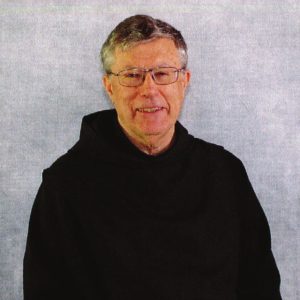
Pastor Joel Whiteside First Presbyterian Church
“Do not judge, so that you may not be judged. 2 For with the judgement you make you will be judged, and the measure you give will be the measure you get.” – Matthew 7:1,2
The character of Jesus is revealed in the gospel stories of his life and teachings. Three of the following questions, when answered, can provide insight into this character and message. The questions are the following:
1- Who was judged?
Answer: Jesus.
2- Who did the judging?
Answer: Religious and political leaders.
3- Whom did Jesus judge?
Answer: The judges.
Answering these questions in this way will direct us to an understanding of how unreliable and tragic human judgments turn out to be. Things go badly when we judge others. The gospels warn us that the only truly innocent person that ever lived was condemned. Further, the judgments made against Christ were made by those who had been given the authority to judge. About the only people Jesus ever judged were the Pharisees, Sadducees and Scribes. In other words, Jesus judged the judges.
The character of Jesus is revealed in large part through his dealings with those who were suffering from the terrible weight of judgment and social exclusion. The sick, the unwell, the poor and those who were socially marginalized and excluded. Jesus showed himself willing to reach across the boundaries of these lines of exclusion and to do so with empathy, understanding and a lack of judgment. Instead of seeing people as defined by categories of social exclusion, Jesus saw them as people.
One of the most grievous injuries imposed on another is the pain of judgment. It becomes a wound that is very difficult to heal.
Psychologists point out that people who judge others do so because of their own issues of perceived failure or inadequacy. Judgment of others is rooted in prior self-judgment with the one who judges.
Further, those who feel most acutely the judgment of others tend to be those who themselves who are most drawn to judging others. In this understanding, judgment becomes a cycle of self-harm.
What concerns me the most in this discussion of judgment and the harm it causes is seen in the state of our current public discourse. We seem to be drawn, more and more, into putting people in categories of exclusion and distrust where they can be judged and dismissed. People, particularly people in groups, tend to define themselves at the expense of stereotyping and judging others, placing them in categories rather than seeing them as people. Mutual distrust and hate increase in this situation.
Healing of the cycle of judgment involves self-acceptance and the grace of God. If there are aspects of ourselves we need to work on, start there to make needed changes; knowing your faith will give you strength and insight to do so. This is the only way to end the tyranny of judgment.