Column: Kicking the habit
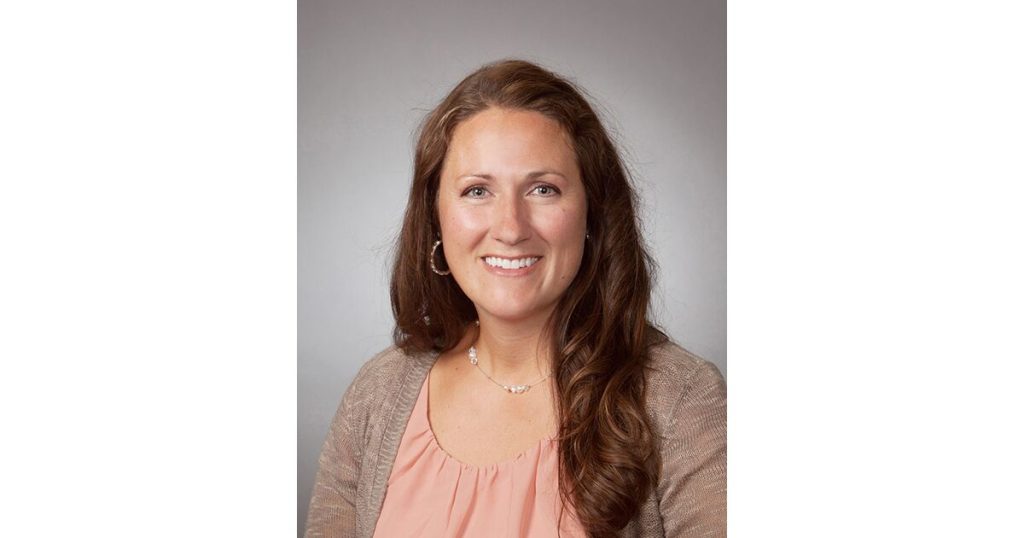
Bridget Kenny Community Health Nurse Liaison Mosaic Medical Center – Maryville
A few years ago, a woman named Kayla joined a tobacco/vaping cessation class offered by Mosaic Medical Center – Maryville, but only because the Maryville Kawasaki plant cares about the wellness of their employees. Kayla did not want to be in that room with me or the 10-15 other people who were being financially encouraged to take the course.
Though not the first time through the course for some of the others, this was Kayla’s first encounter, and she did not know what to expect and did not necessarily care about the helpful information that Mosaic’s community outreach team would provide.
Kayla exhibited a very reserved personality when first introduced to new people. When asked to provide a live interview for community members, Kayla joked that after three years, she is just now comfortable talking about her journey so we compromised that we could share her story in an article.
Somewhere near the middle of her second four-week session of the course in 2021, Kayla began giving more thought to the barriers that her habit created, the toll it would eventually take on her health and she was specifically concerned her ability to be there for her children. By the time the next four-week cessation class was offered in early 2023, Kayla had taken the tools that she had learned in the previous classes and was well on her way to success. She had officially decided that she wanted a change.
Kayla found that she was able to smoothly transition from an unhealthy addiction to a healthy habit that would eventually provide countless health benefits. She began with spin (stationary cycling) classes and eventually added weightlifting to her regimen. Her lifestyle changes have made jogging from one cheering point near the cross country course to the next for her high school aged children much more comfortable.
In addition to the wonderful benefit of being able to support her teenage children emotionally, Kayla recognized that people are several times more likely to use a form of nicotine if a parent or guardian uses the drug. She wanted to do her best as a parent to protect her grown babies as well as future generations.
Elimination of seasonal depression is a beneficial side effect that Kayla has experienced not only because of the natural endorphins released by exercise, but also due to dropping nicotine. Studies show that the drug nicotine is more addictive than cocaine and heroin. Though the chemical does seem to have the immediate effect of relaxing the nervous system, like most other addictive drugs, the rebound effect usually intensifies anxiety.
Kayla shared that she wishes that she had changed her habits years ago. Not only have her sleep habits greatly improved, but she has an overall better feeling of general well-being with the decrease in her stress levels and consequently, overall happiness. Coworkers and family members notice that her memory has improved and Kayla notices that her mind and cognitive function in general are clearer.
According to the American Cancer Society, “tobacco products are the No. 1 cause of preventable disease and death worldwide.” Of the more than 7,000 chemicals found in tobacco, 69 of them are known to cause cancer. Not only has smoking proven to be the main cause of lung cancer and chronic obstructive pulmonary disease, but tobacco products also cause coronary artery disease which can lead to heart attacks, stroke and poor healing or damage to other body parts and organs.
Unfortunately, many people think that vaping offers a healthier alternative to tobacco products. According to experts at the Mayo Clinic and Johns Hopkins, chemical fumes produced from electronic cigarettes and other vaping options cause scarring of the lung tissue and damage that can be irreversible. You may have heard of a condition called popcorn lung. A chemical called diacetyl found in the vape flavoring causes blistering and eventual scarring that narrows the airways of the lungs causing shortness of breath and other symptoms similar to COPD. As if that is not enough, vaping can cause a condition called diffuse alveolar hemorrhage, which, put simply, means that the structures in our lungs that helps to transfer oxygen from our lungs to our blood stream are literally blistering, popping and/or leaking blood back into the lung.
Not many have ever said that quitting a habit is easy, but with the right mindset and support system, those of us who have finally found success know that if we can do it, so can others.
Mosaic’s community outreach team offers a free and personalized course to community members interested in finding guidance and support to “kick” the nicotine habit. The four-week program will begin on Nov. 16 which has been deemed by the American Cancer Society as the Great American Smokeout. A convenient time will be offered to all participants who respond before Nov. 13. If you are interested in learning more about this program or other information discussed in the article, please call 660-562- 7945 or email [email protected].
Kenny is the Community Health Nurse Liaison for Community Outreach at Mosaic Medical Center – Maryville.