
Notebook: Homelessness and honesty
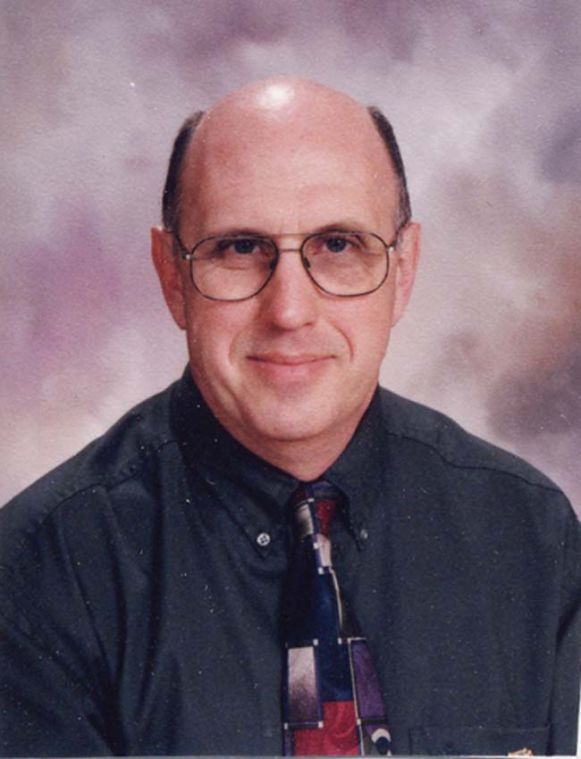
EDITORIAL MUG: Larry Anderson
Los Angeles County, California, has a population rubbing on ten million.Within that number abides 75,518 who are homeless. This stat comes from the Los Angeles Homeless and Services Authority (LAHSA).
Homelessness within the county has increased by nine percent in the last year; within the city it has risen 10% to 46,260. These increases demonstrate the trend toward acceptance by liberal city and county governments that condone, excuse and facilitate the problem.
Officials in Los Angeles attribute the homeless problem to a lack of affordable housing. Indeed, the cost of a home or renting in the area is truly ridiculous so the claim can’t be wholly dismissed, but it is hardly the main contributor to why a human being is living in a cardboard box on a sidewalk.
Forty-two percent of those without a roof are chronically homeless. In other words, they have been homeless for a long time and there is no indication that will change. They aren’t going to get a job because they aren’t looking for one, don’t want one, and are likely unemployable. They have few, if any, skills and zero ambition.
How do these people survive? Through charity, governmental subsidies paid for by those who do work, or through begging, crime or menial tasks. According to LAHSA, in Los Angeles County over 55,000 are unsheltered; in Los Angeles itself 32,680 live openly on the streets. Tent-lined streets, open-air toilets, and open drug abuse is now common, unchallenged by authorities and accepted by politicians. The police, of course, can do little because they are manacled by pervasive stupidity disguised as social empathy.
Thirty percent of the homeless in LA and LA County have substance abuse disorders; in other words they are drug addicts or alcoholics or both. Some, I’m sure, would like to change, but many others (the chronic) have resigned themselves to this way of life. They’ve given up and live in filth and danger while contributing the same. If anything is being done to ease this growing problem, the homeless numbers would be going down, not up as they are in other cities as well: San Francisco, Seattle, and Portland, for example. These cities are governed by liberals and liberalism. Clearly, liberalism and homelessness are conjunctive social sicknesses.
The truth is homelessness is behavioral to a great extent. Literally everyone on this planet knows taking drugs or drinking to excess can lead to addiction and associated health problems. Users willingly accept that risk. Now it has led to chronic homelessness that will not be solved by open borders and the drug trafficking it facilitates or by decriminalizing drugs. These don’t work and strain credulity. Statistical evidence from cities like Los Angeles proves their harm.
Chronic homeless people don’t work; therefore, they pay no taxes like the rest of us. However, they do command economic subsides and health care they can’t pay for but absorb like a sponge. Productive citizens are forced to make up for those who aren’t. I would love for a liberal to explain how that’s fair.
If you live in a tent, where do you go to the restroom or take a shower? How is sanitation and disease controlled? If all one does all day is drugs, what is that person’s contribution to society? How do homeless addicts manage to pay for drugs and alcohol if they have no means of financial support? Why isn’t the 25% of the homeless with mental issues who exist on the street being cared for? Who’s helping the 3,800 homeless veterans there?
These questions need to be answered because America’s cities are being ruined by politics, inaction and antisocial behaviors. Homelessness is symptomatic of where we are headed as a nation socially and politically.
I know it is tempting to dismiss Californians’ problems as theirs alone, and I don’t have a slick answer to an issue concerning a state I don’t live in. Nevertheless, I do know what starts in California won’t stay there. Homelessness, like liberalism and cancer, will grow exponentially. It’s inevitable without action, degree of expectation, and new leaders who see homelessness for what it is, as a reflection of failure.
Larry W. Anderson is a retired educator.



