Column: Resilience is important
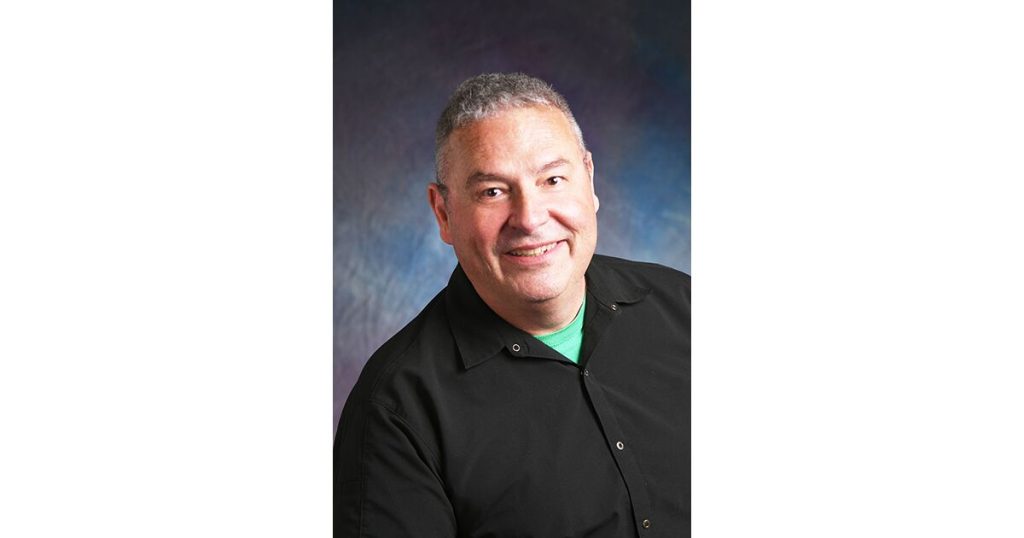
Frank Grispino MOT, OTR/L, CHT
Resilience can mean many things. The Oxford Language Dictionary defines it as “the capacity to withstand or to recover quickly from difficulties.” The American Psychological Association defines resilience as “the process and outcome of successfully adapting to difficult or challenging life experiences, especially through mental, emotional, and behavioral flexibility and adjustment to external and internal demands.”
Is resiliency a genetic trait or something we learn? My opinion is, like a lot of things, it’s a combination, but likely leaning a little heavier on the genetic side than I comfortably would like to believe. Whatever the source of resilience, it’s something you don’t know you have until you need it.
Many examples of resilience can be found when reading about history. I suggest the stories recounted from survivors of Andersonville, the Confederate prisoner of war camp, the Hanoi Hilton during the Vietnam War, and the WWII Nazi concentration camps. Examples of humanity at its worst and human resiliency at its best abound.
As an occupational therapist/certified hand therapist I’ve had the opportunity to work with some amazing people over the last 28 years. In an injury situation, resilience has been the difference between meaningful functional return or debility in many of individual cases I’ve been involved in.
I often tell my patients that I would rather work with someone that was more severely injured and resilient than someone with a less severe injury that wasn’t resilient. It really can mean the difference between leading a happier life at the best physically functioning level vs. being less “able” and less happy than their physical potential would allow.
There’s research on the topic of resilience, but this is only my opinion gleaned from experience and observation. My opinion and a dollar will get you a cup of coffee, but I think there’s validity in the observations made. There are some common traits in the resilient people I’ve worked with over the years.
Optimism is a common trait. Not just in their injury/ recovery situation, but in everything. They have a glass-is-half-full outlook on most things they deal with, both big and small. It’s raining! The farmers need it and so does my grass. Hey, I don’t have to wash my car now!
People with severely injured bodies usually have severe pain. Most resilient people also have a sense of humor that if not initially, becomes apparent as their journey progresses and before the pain is at a level most would deem as acceptable.
The third common trait I’ve observed is resilient people often don’t see themselves as the centers of their own personal universe. They aren’t the most important focal point in their lives. Believing in God, a higher power, or something they feel is more important than themselves in their lives like family is very common.
Resilience is something I hope I never learn I have or don’t have. One must be in a tough situation to be able to assess personal resilience. Working with resilient people is one of the biggest honors of my professional life. You can’t help but jump on for the ride with someone that’s demonstrating resilience and planning to get better no matter what. There’re limitations to what the physical body can do, but resilience will help you maximize what is possible.
Frank Grispino is an occupational therapist/ certified hand therapist and clinic director of ARC PT+ in Maryville, Mo.