COLUMN: Life goes on
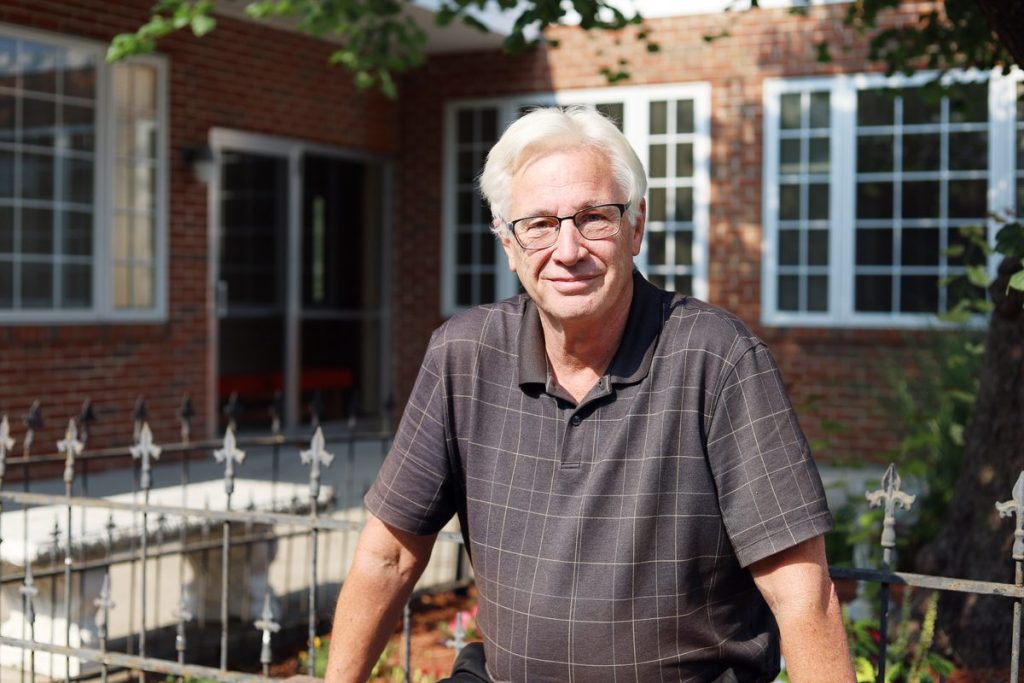
FORUM FILE PHOTO
Pastor Joel Whiteside First Presbyterian Church
The poet Robert Frost said this: In three words I can sum up everything I know about life: It goes on. Yes, it is true and critical in our lives in difficult times to appreciate that one great truth: Life Goes On.
The following story out of the Book of 2 Samuel 12 about King David illustrates this fact.
Mighty King David is confronted by the prophet Nathan over the King’s illicit relationship with Bathsheba and the fatal peril he placed her husband Uriah in to hide the wrong that David himself had done. Among the dire consequences that would arise from David’s crimes would be the death of his and Bathsheba’s newborn child.
As the child fell ill to what would be this fatal illness, David wept, fasted and prayed for this child for seven days. David lifted the full measure of his heartbreak in prayer. He prayed for forgiveness. He expressed his rage and frustration as well as his hope. Six days in such intensity of prayer, the king refused to eat, and all his attendants and counselors worried about him.
Then the child died. The counselors did not want to tell the king of this news, fearing his rage might be directed at them. David hears them enter his room, and asks them directly, “Has the child died?” The counselors haltingly answer in the affirmative.
Then these counselors witnessed in their king a surprising reaction. David got up from his seven days’ fast. David washes himself, anoints himself, dresses, goes to the house of the Lord, worships, goes home, asks for a meal, eats, and they can’t believe it. They are stunned. For a week they have been alarmed by him and amazed by him while he expresses the full extent of his grief. But now he has gone to the opposite extreme. He has acted totally against custom.
In that culture, when someone you care for dies, you tear your clothes. David puts on new clothes.
You cover your head with ashes. David anoints his head with oil.
Next, he comes home for a meal.
The counselors are amazed and ask, What are you doing David? You wept when the child was alive, now he has died and you sit down to dinner?
David replies,
While the child was still alive, I fasted and wept; for I said, “Who knows? The Lord may be gracious to me, and the child may live.” But now he is dead; why should I fast? Can I bring him back again? I shall go to him, but he will not return to me. (2 Samuel 12:21-23 NRSV)
Then David went up to comfort his wife.
The matter of resilience has become crucial in our contemporary appreciation of a vital human coping ability. That ability is to get back up, after sorrow and regret is shared with God, and get on with life.
But here is the thing: David already knows, on that very first terrible night that, however painful, he is going to have to go on living the life that is before him.
There is a time to face what is over, to get up and choose all over again to go on living.
We grieve, but we are not immobilized. We lose, but we can’t stop living because we have lost. Our dearest dreams fade, but the saddest thing is to spend the rest of our lives kicking at the rubble.
There are new dreams awaiting us, if only we will get up, turn around and look toward what is yet before us — and choose life.