COLUMN: Doing our part

SKYE POURNAZARI/THE FORUM
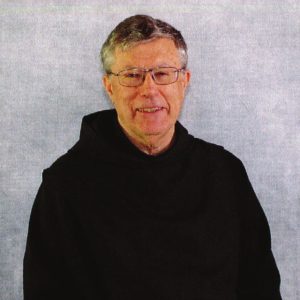
Pastor Joel Whiteside First Presbyterian Church
The opening words of the Prophet Habakkuk address a frantic question to God: “How long shall I cry for help and you will not listen?” In difficult times, it seems as if God has not intervened quickly enough with help, aid and grace in times of need. Sometimes we even wonder if God is listening to our prayers, as the prophet states in this first chapter. Sometimes those of deepest faith will deal with these questions.
This question seems to have a particular poignancy today. We live in troubled times: political and social division, rapid change and global conflict and warfare. We may well pray, “How long O Lord?” The question reaches into the deepest part of our hopes and fears. It is a question that will arise at some point in anyone who takes their faith seriously over time, through moments of triumph and distress.
How can you seriously live in this world, the way this world is in its torments, in the way the innocent are crushed and evil prospers, and not at some time turn to God and raise this question?
It is not possible. We need to respect the question when it arises in the minds and hearts of others. Raising this hard question does not mean we are walking away from faith, but, as the Bible shows us, walking ever deeper into faith.
Habakkuk raises the question, “How Long, O Lord?” This very question is the most frequently asked question in the Psalms. No other question is raised more. It doesn’t end there either.
It continues into the last book of the Bible. In chapter six of Revelation, it is in the heart of the martyrs, when, while up in heaven, that are looking down at a suffering world, and crying out, “Sovereign Lord, holy and true, how long will it be before you judge and avenge our blood on the inhabitants of the earth?” (Rev 6:9)
In this same chapter in Revelation, God answers the question, “How long, O Lord?” He tells those who are asking the question to put on a white robe and wait a little longer. And be patient. This is significant. When we want God to fix the brokenness in our world, God challenges us to be part of the answer to our own question. “How Long, O Lord?” is a question that falls back on us. We must put on a white robe. A white robe means that we must not participate in the evil that is choking the world. We must not fall into the worst we see around us, or allow the worst we see in others to somehow make it OK for us to lower our own values. There are things we can do. There is a way we can live that has power to effect positive change. We can do our part.
The prophet Micah tells us what our part would be: Micah 6:8 (NRSV) “He has told you, O mortal, what is good; and what does the Lord require of you but to do justice, and to love kindness, and to walk humbly with your God?“
God wants the question Habakkuk asks to do its transformational work on us. Yes, we live in troubled times and we wonder what God is waiting for to get involved. But God answers back: “I have given you Christ, forgiven you, empowered you, taught you and admonished you — why don’t you help out here? So, what are YOU waiting for?” “How Long, O Lord?” is a question directed to God that turns around and becomes a call to action for us.
After all, God is depending on us. Jesus looked around and chose 12 rather ordinary people to follow him and help him with this work. What’s more, Jesus turned around and told all his disciplines: “Very truly, I tell you, the one who believes in me will also do the works that I do and, in fact, will do greater works that these, because I am going to the Father.” — John 14:12
It is striking that God entrusts us, values us and enlists us to do what we can do. The Bible is not given to us to make us feel like we are helpless. It is given to us for the opposite reason. It is a summons for us to do our part.