Food handling tips for the holidays
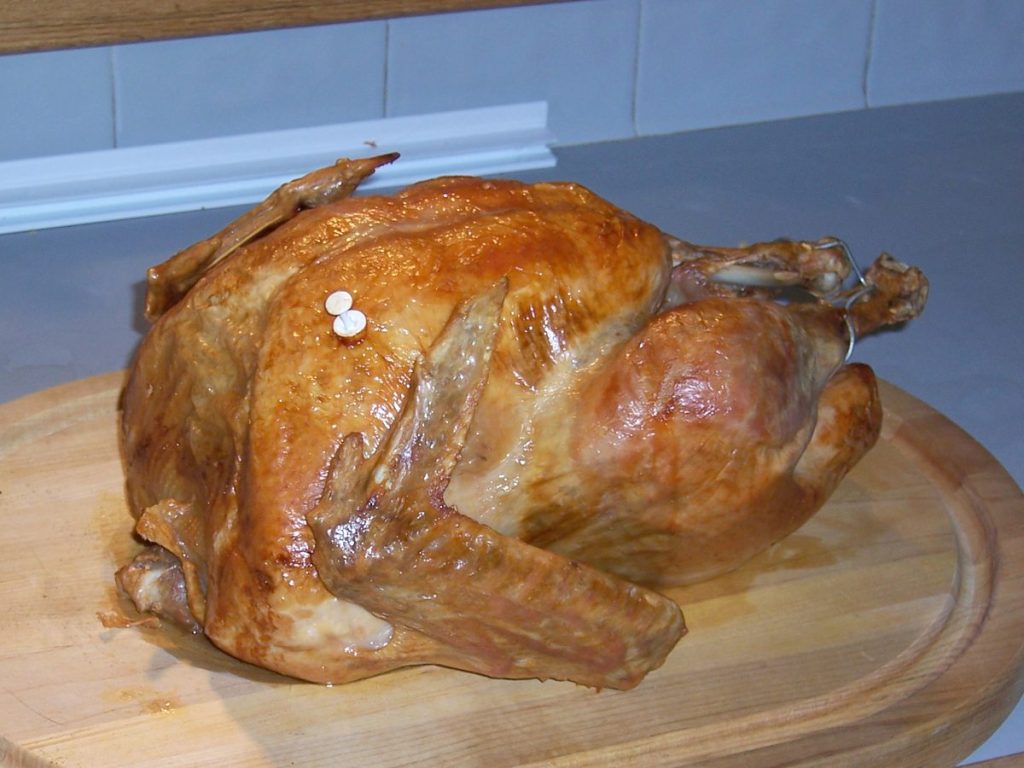
CREATIVE COMMONS
Food handling tips
MARYVILLE, Mo. — Safe food handling at home doesn’t always take the same priority and focus as that of a retail food establishment, but that doesn’t mean it isn’t just as important.
Ahead of the holidays, the Nodaway County Health Department is providing some tips to ensure families are handling food safely.
The biggest difference between food handling at home and at a restaurant is scale: there is less food at home and fewer individuals involved — both in the food preparations and in the consumption of the meal. Still, family members becoming ill is just as critical as customers becoming ill, so proper handling is extremely important.
With the holidays and the accompanying larger gatherings that will be taking place in many Nodaway County homes, it’s a great time to go over some of the basics.
The first step in protecting those in the kitchen and at the table is handwashing. The five simple steps to proper handwashing are:
- Wet your hands with clean, running water, turn off the tap and apply soap.
- Lather your hands by rubbing them together with soap. Be sure to lather the backs of your hands, between your fingers and under your nails.
- Scrub your hands for at least 20 seconds (saying the alphabet twice takes about 20 seconds).
- Rinse your hands under clean, running water.
- Dry your hands using a clean towel (a disposable paper towel is recommended).
The next step is keeping food prep surfaces and utensils clean and sanitized.
Start by cleaning surfaces with soap and hot water, rinse or wipe down with a clean cloth, and then sanitize to kill any remaining bacteria. There are many commercial sanitizers and sanitizing wipes (be sure to always follow the manufacturer’s instructions), but a simple homemade sanitizing solution can be made by mixing one tablespoon of liquid chlorine bleach with one gallon of water. Let sanitized surfaces air dry.
Next, be sure to keep raw meat and poultry separate from produce and cooked foods. It is best to prepare foods that will not be cooked, such as vegetables and salads, before handling and preparing raw meat and poultry.
Lastly, the only way to kill bacteria that may be on or in any of your meat or poultry is by cooking to a safe internal temperature as measured by using a meat thermometer. The temperature should be taken in several places, including the thickest part of the item.
For turkey, this temperature needs to be at least 165 degrees Fahrenheit, and 145 degrees for pork, beef or lamb roast. Do not let food sit out at room temperature for more than two hours. Any leftovers should be reheated to 165 degrees Fahrenheit, and sauces, soups and gravies should be brought to a rolling boil before serving again.
As a side note, do not wash turkeys or poultry.
In a recent study, the U.S. Department of Agriculture found that 60 percent of kitchen sinks were contaminated with germs after participants washed or rinsed poultry. To avoid contamination, do not wash poultry.
For individuals who wash their poultry in their sinks anyway, fully clean and sanitize the sink. Campylobacter and salmonella, bacteria found in poultry products, can survive on countertops, in sinks and on other kitchen surfaces from four to 32 hours.