What is a Monk?
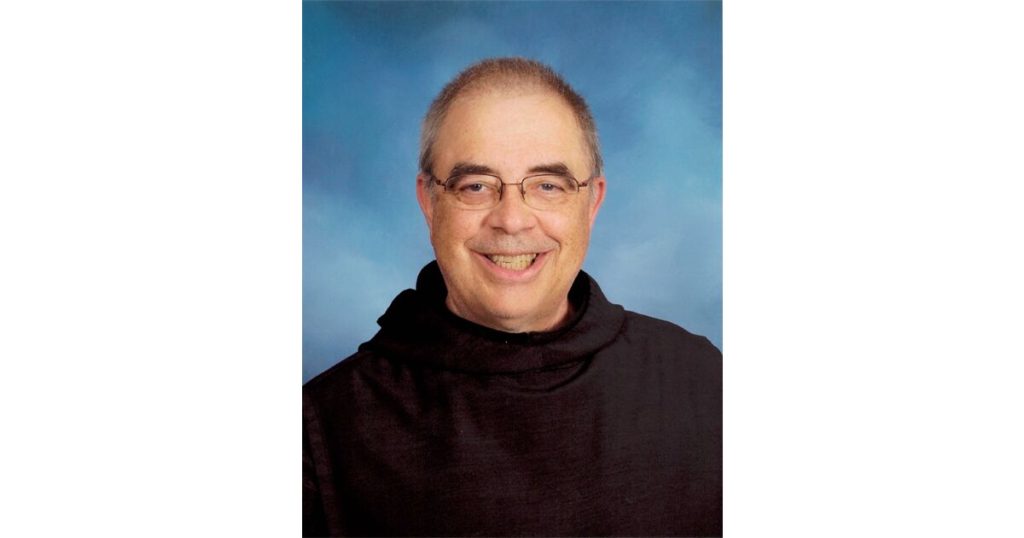
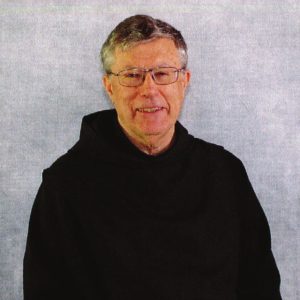
Father Albert Bruecken St. Gregory’s Catholic Church
This past Saturday, Aug. 28, was my 50th anniversary of profession of vows.
Fifty years ago I made vows of poverty, chastity, obedience, conversion of life, and stability. Since that day I have lived at Conception Abbey all but about 14 years — 10 years when I was going to school and the last four years spent here in Maryville. So what is entailed in becoming a monk?
In August of 1970 I came to Conception Abbey with the intent to immerse myself in monastic life, first as a Novice for a year, then in simple or temporary vows for three more years in 1971, and made final vows in August of 1974. At any time during the first year (Novitiate), I could have been sent away or left of my own accord. After simple vows, I was committed to be there for three more years, after which I could leave or make final vows, which I did. It is a permanent commitment until I die. We date our anniversary of being a member from the beginning of simple vows.
So what is a monk? Simply put, it is one who seeks God while living in community under a Rule and an Abbot. The Rule in this case is the Rule of St. Benedict, a short book written about 500 A.D. The Abbot (which means “Father”) was Abbot Kevin McGonigle, Conception’s fifth abbot. The community is the monks of Conception Abbey — they are my ‘confreres’ or spiritual brothers.
We at Conception Abbey chant our prayer together publicly six times a day, with two other times for private prayer in our schedule. We work at whatever the monastery undertakes: Conception Seminary College, where I worked as science teacher and in spiritual and then human formation of students from after my schooling until I came to St. Gregory’s in 2017, The Printery House which prints Christian greeting cards, the Abbey Guest Center which takes care of the many guests and retreatants who come to stay at our monastery, or one of the many jobs that maintain our community financially, physically, musically/liturgically or spiritually.
Finally, there are those whom we call “Monks on Mission” who are outside the monastery working in parishes (as I do now) or as chaplains for the military, for sisters, etc. We support ourselves financially and at the same time contribute to the well being of the Catholic Church to which we belong. Other monasteries may have more and different works, others less — monasteries are very different one from another. The main thing is to live in community under a Rule and an Abbot who interprets the Rule.
As for the vows, poverty means that we own all things in common; chastity means that we live as celibates who love others in a more inclusive manner (as opposed to exclusive love which marriage calls for); obedience means to anticipate the needs of others and listen and do what the superior asks; conversion of life means to always keep trying to improve one’s observance of monastic life; stability means that a monk is committed to live out his/her life with the community to whom he/she professed. These last two are unique to Benedictine life.
What is the best thing about being a monk? For me it is living, working and praying in community with others who are seeking God as are you. What is the hardest part? It is living in community where certain individuals may get on your nerves. But the vows and the life-style are meant to cause growth and maturity, even sanctity for us who stick it out. It is a somewhat rare calling, to become a monk, and we are fortunate to have a monastery in our county which gives witness to one more diverse way that one can go to God. Go out and visit sometime — guests are welcome now that the pandemic has subsided somewhat, and pray with the monks.