
My Word: A rearview mirror
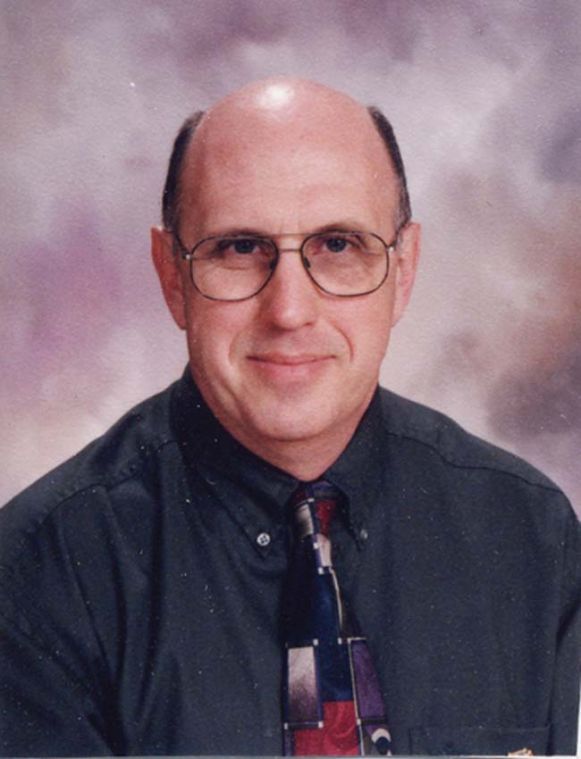
LARRY ANDERSON
Larry Anderson
It is mighty tempting to put Election 2020 in the rearview mirror and keep driving, but that would be a missed opportunity to learn what we are up against here in the chilly hills of rural Missouri.
The fact is electoral patterns emerge and experts in such matters pore over them to extract the key to future success. Demographics shift, mix and meld, and determine the appropriate amount of expenditure necessary to win the doubtful. In the recent election, Trump was not on as firm ground as he believed or as the results proclaimed; Biden apparently knew things others didn’t but was unwilling to share with his opponent.
As early as the 1864 election those counting began to notice Democratic strength was most evident in rapidly growing cities such Chicago, St. Louis and Cleveland while Republican power resided primarily in smaller cities, towns and rural areas where agriculture was dominant. There was a division, and a course was set with the Democrats more reflective of urban sensibilities and the Republicans more responsive to the tradition, common sense, and individualism of rural life.
This observation doesn’t hold universally, of course. Much concerning elections is determined by the candidates themselves, the issues of the time, the effectiveness of one’s campaign, and the perceived need for change, but reality emerges nevertheless. The fact is Democrats generally do better in cities than Republicans, but that doesn’t mean liberal success is inevitable.
In Missouri Trump clobbered Biden with 56.8% of the vote to Biden’s measly 41.4%. In the popular vote Trump bettered his opponent by roughly a half million votes which is by any account a butt whupping. A look at the election map reveals Trump won every county in the state except those in St. Louis, Kansas City and Colombia, the three largest population centers.
The map tells us what needs to be done. If Republicans are to continue to have success, they must make inroads within the cities and ones other than Portland, San Francisco or Boston. These are hopeless and likely gone forever.
While the states were split numerically, Biden won the biggies and collected the most electoral votes. You may recall the Democrats were incensed by the electoral vote outcome four years ago when Trump slew Clinton in the polls, but forever angry libbies were remarkably quiet on the subject this election. Hypocrisy aside, the fact remains the big states with the big cities garner the most electoral votes. California, largely urban, has 55 electoral votes, Missouri, mostly rural, has 10.
Nationally, Trump collected wins in 2,496 counties while Biden carried 477. Clearly this is lopsided, but it doesn’t matter. It takes many Nodaway counties to match one Jackson County, and Biden knew where his warmed-over message would sell. Trump’s error, apparently, was not fully understanding the urban attitude.
Harry Truman may have been the last president to successfully leverage the rural vote. In 1948 farmers got behind Truman and carried him to victory, but there were a lot more farmers then. We have since learned to take aggies’ significant contribution for granted. City folk eat their eggs without thought concerning from where they come or why they are so inexpensive. Farmers only matter when one is hungry.
There is a reason national candidates fly over rather than come to the country, but is it bad to be overlooked? Maybe not. Remember, one vote is still as important as any other. In that matter, your power is equal to AOC’s.
Where does all this leave us here among the stubble fields of northwest Missouri? Well, hopefully, if you voted for Trump as I did, you have no regrets when that vote ended up short. You did the right thing for America as will become increasingly obvious, but it may be time to have a long talk with family and friends in the cities. Tell them it is time to come home.
Tell them it is never too late to put America first and that it is okay to be great again. Tell them it is not the messenger who matters so much as the message.
Larry W. Anderson is a retired educator.



