
My Word: For which I stand
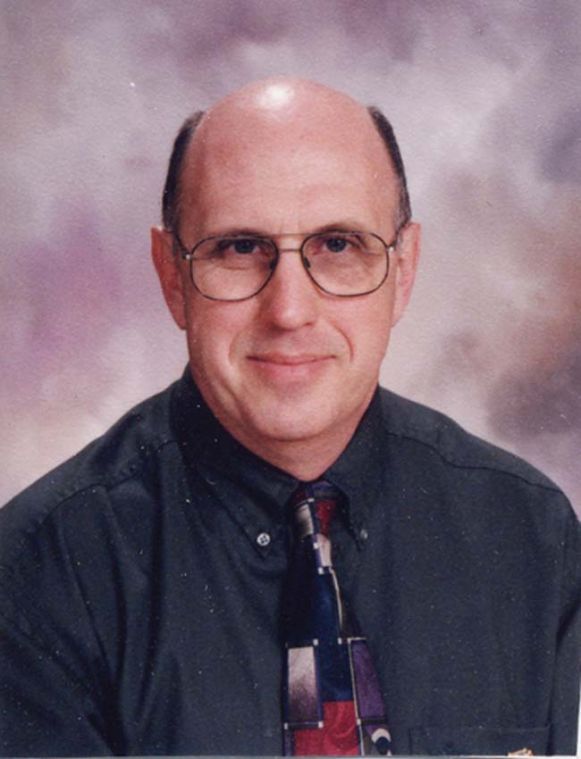
LARRY ANDERSON
Larry Anderson
I was challenged recently to describe that for which I stand and what I would do politically if possible.
One thing for which I stand is the flag. That said, I don’t object to thoughtful people taking a knee as an indication that all is not well. However, everything has a context. I’d rather politics not be mixed with football, and I prefer preachers preach in church.
I stand for the pledge but most of all for the final words “liberty and justice for all.” I believe in the equality of all human beings. Race, gender, or political inclination have no influence. Equal is equal. There are no qualifiers.
I believe in inclusion because exclusion creates division, anger and inequality. I also believe in learning from history but not living in it for political purposes. Some things need to be over.
I believe all humans should have the inalienable right to live life as they want and to prosper to the extent of their will and ability.
I believe in the Constitution and its Bill of Rights but especially the encompassing First Amendment and the extremely important Second Amendment which guarantees the means to defend myself against tyranny and crime.
I believe in legal immigration, social responsibility and law and order. I do not believe burning a hardworking immigrant’s business to the ground to demonstrate anger at other events is legitimate protest. I believe it is a hate crime and should be prosecuted as such.
I believe in individualism and personal responsibility. I believe in work, goals and planning. One should try hard not to be a burden on society, but the very young and very old must be protected. When one can’t take care of himself/herself through no fault of his/her own, society must rush to help. That’s what I was taught, and what I believe.
I believe abortion is an abomination to which there is no adequate comparison.
I believe our biggest national problem is drugs and the losses that extend from them in terms of crime, deaths, hospitalizations, impact on families, unemployment and hours on the job lost. Drug and alcohol abuse and addiction drives the high cost of medical care, but nothing seems to change except the dead. Social responsibility suffers when self-indulgence takes over.
I believe in the design of our government and its system of checks and balances. Its design aids reflection, slows legislation, and spreads power among many instead of concentrating it in the hands of one or a few. Government in America works for the people, and voters determine who the employees are. That’s who representatives, senators and presidents are, you know: employees of the people. Leftists hate the system because it limits their power, influence and reach.
Now here are two examples of what I would change within the system.
Fault doesn’t lie in the fact we pay taxes. Governments have to have revenue to operate. The fault lies in the graduated tax system we presently have. I favor a simple flat tax with a set percentage paid over a set floor. In other words, no one would pay taxes, say, on the first $25,000 of income, but everyone would pay the same amount, say 10%, over that figure. This would protect those of lower income but eliminate unfairness because a person would pay the same rate at $500,000 of income as one would at $50,000. Tax tables would be unnecessary and filing mathematically simple.
Nothing defines economic classes more than the tax code. I submit politicians don’t want a simple solution to class warfare; instead, they want to argue differences endlessly because it defines them politically. Therefore, little changes.
The national debt is a problem that no president or Congress has effectively confronted in decades. Republicans say we spend too much, and tax and spend Democrats claim Americans are taxed too little to achieve all the goodness only they can provide.
Democrats invariably fall back on “Well, what would you cut: Social Security, Medicare, education, the military…?
It seems to me the solution is not to target specific areas but to cut across the board. I would start with a two percent cut (on the actual budget, not growth in the budget) but freeze federal spending there until tax revenue catches up with expenditures. It wouldn’t take as long as you might think, but there is no question it would bite. But so will bankruptcy and wrecking the system that has provided prosperity for generations.
These are problems that could be fixed but will continue to be ignored by those who have the power to end them.
Larry W. Anderson is a retired educator.



