
Keeping death details on the need-to-know
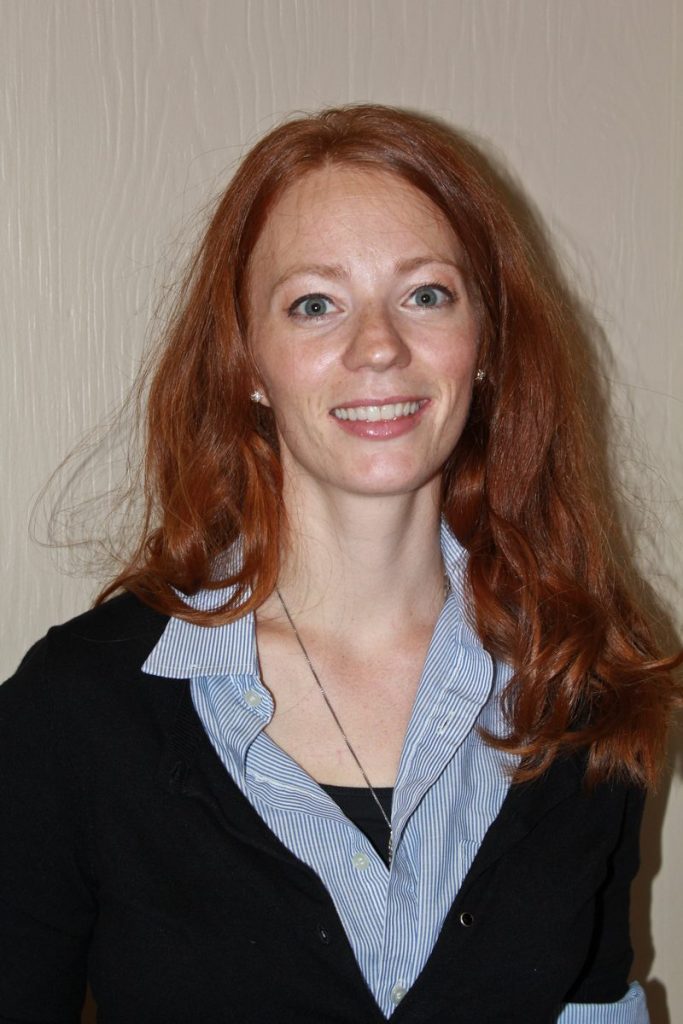
Jennifer Ditlevson Haglund
In one week, the maple and walnut trees have shuddered and shrugged and shaken enough that most of their leaves have landed in the yard.
Last year, my daughter didn’t ask why that happened. She saw all the fallen leaves as piles of confetti. This year, I have told her at least 10 times that it’s all part of a natural process for the leaves to die so the trees can sleep and make new, green foliage in the springtime. She asks again, and I tell her about cycles of nature.
Honest as I try to be about facts of life, I have a child who brings me wilted flowers and tells me “they’re broken” and she needs me to “fix them.” The corners of my mouth crack and bleed in the cold months, and when she spies flecks of blood there before I can wipe them away, she tells me I’m “broken,” too.
This is normal. When children don’t share the same lexicon as their parents, they come up with the closest equivalents to explain the phenomena they see. She understands “hurt,” and “broken” but not “kill” or “dead,” or, “Mom, you need to moisturize.”
As I’ve written about before, I’ve covered the function of body parts without metaphor or pet names and I’d like to keep the same openness when discussing life with her, but not all death or injury is as pretty as falling leaves. It’s not predictable or benign.
With all the Thanksgiving books featuring turkeys out at the library, I have had to explain that most people who celebrate Thanksgiving eat one. Her eyebrows wrinkled as she passed from the picture of living animal on the cover to the unrecognizable tan headless thing with lemons and apples around it a few pages in. I asked her if she wanted to eat that, too. She told me “no,” and that turkeys should be “eating seeds” instead of lying on tables.
I’m not sure if she’ll care about sacrificing a pig for bacon yet, but we haven’t had that discussion.
Someone might argue that killing animals, whether inadvertently with vehicles or intentionally for food, is all part of the cycle of life. Regardless of where you stand on that, it’s still taking a life for some benefit or enjoyment.
Intentionality and death, taken together, have no place in her experience or broad imagination. Even the bugs I’ve smashed in front of her have only “gone away,” and I confess I’ve taken more benevolent but freaky ones outside since she was born because having to explain the concept of lives taken, especially violently, scares me more than most conversations I’ll need to have with her in her young life.
When she asks and I must answer her, some of her sweet, innocent trust will be gone forever. She’s the kind of kid who asks strangers in coffee shops if she can read their comics, and she tells people in the booths next to us at restaurants what she learned at preschool that day. She has no idea that anyone could hurt her on purpose, take her life, or get as close to ruining it as they can — all for their benefit or sick enjoyment. At most, she knows not to cross the street by herself because cars are dangerous.
But in the name of safety, I must tell her that there are “bad guys” — and “bad women,” too, who are much scarier than Doctor Octopus from her Spider-Man comics and that heroes don’t always swing in at the right moment to save the day.
Losing someone to an illness or old age is one thing and hard enough, but losing them or even parts of yourself because of some avoidable evil is another and much harder to reconcile. How I wish the end of all lives were as stunning or natural, as easily acceptable as autumn leaves falling, and my explanations of death could end there.
Jennifer Ditlevson Haglund is a former news reporter for the Maryville Daily Forum, now living and writing in Ohio.



