
Transforming an indifferent TV watcher
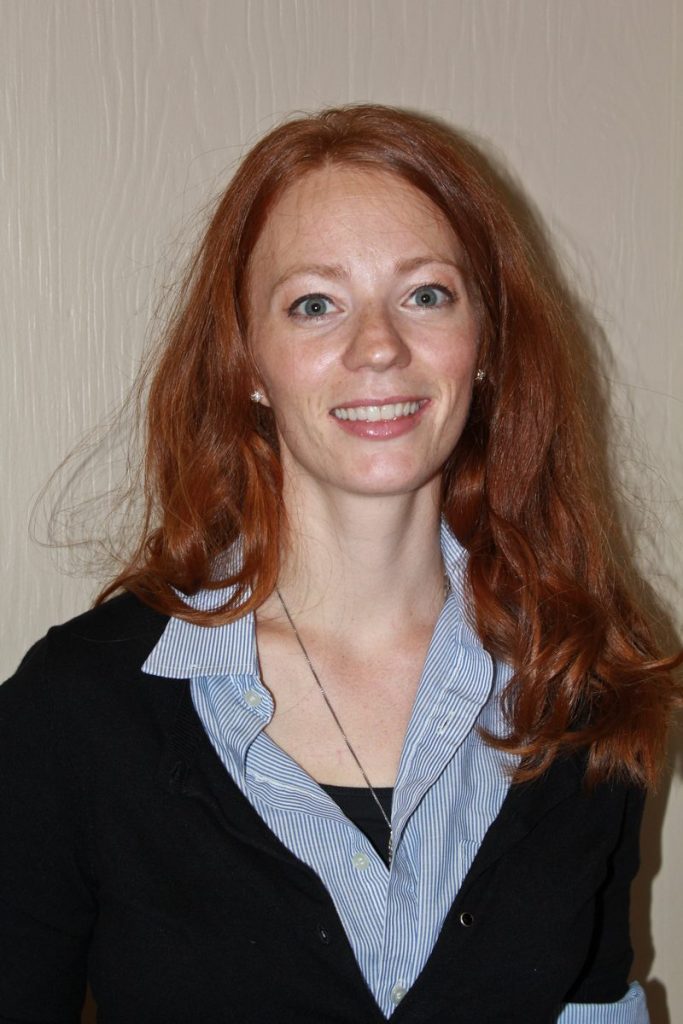
Jennifer Ditlevson Haglund
I’ve seen people call it “underwhelming” and “unoriginal,” but those critiques don’t bother me. I never expected anything spectacular from a Netflix original series. If I want art-house film, I know where to find it. “Stranger Things” doesn’t need to break new ground to attract me, or the millions of others to trade sleep for just one more chapter.
Until going through a breakup in college, I never had a show. Access to television was spotty from grade school to high school because of my dad refusing to get cable, so I couldn’t form TV habits. Watching “Arrested Development” on DVD to get me to laugh as I got ready for my morning classes was the closest I got, until “Stranger Things” came along.
When the first season came out the summer of 2016, I was busy moving from Maryville to Springfield and didn’t catch up till fall. I’d read articles about the nods to Spielberg and comparisons to films like “The Burbs” and “Stand by Me.” Although I enjoyed the echoes of themes in movies like “E.T.” and “Close Encounters of the Third Kind” throughout the first season, nostalgia isn’t enough to turn someone who has never cared about when a new season of anything airs to the person who checked the countdown clock on the Netflix homepage a couple of times a day to see how much longer I had to wait to begin the latest adventures of the kids in the fictional town of Hawkins, Indiana.
The second season began Friday, and despite my excitement, I haven’t binge-watched enough to finish it. It’s taking all I have to avoid spoilers from those who have. Having formed rules about when and how much I can watch it means there’s potential to get lost for a day in the alternate dimension of sci-fi drama.
I’ve questioned how the series has charmed me and tempted me to binge on it, and it’s not escapism or sentimentalism. I’m not bored, either.
“Stranger Things” makes use of the terrifying fact that anyone can become a victim of their ignorance as much as their knowledge. Other shows and films have done as much, but had they shot the series in Montauk as they’d wanted to initially, I don’t think they would have captured my attention for so long.
As much as people make of the show being a period drama, it could have been shot where I live and grew up. My little brick mid-century home is drafty and musty, and for the last 20 years, it’s been abused by college partiers and filled with junk by hoarders. The dehumidifier in the basement needs to be emptied all the time, and the silverfish we’ve smashed look like something escaped from the Upside Down. At any time of day, I can watch squirrels jumping in and out of an enormous hole in the roof of the garage next door. The houses on either side of me are older than mine and run-down, and several of the houses on the rest of the block aren’t much different.
My husband asked last night if we live in Hopper’s house in the woods that viewers get to know in the second season, and if I didn’t get it and think it was funny, I would’ve cried. It really isn’t that untidy or ramshackle, but the Duffer brothers have done their homework building scenes from towns like mine.
Every time I watch an episode, I’m not slipping into memories as much as I’m seeing sections of, or occasionally entire, towns I’ve known that haven’t changed much at all. They’re isolated, and mostly quiet.
These are the places perfect for nuclear tests, secret government labs, and all the strange things that can pass by undetected until the right — or wrong — person starts asking questions or ends up at the right place at the wrong time.
Without getting too mystical or building any conspiracy theories, I think “Stranger Things” gets to me because it’s believable. Demogorgons and telekinesis aside, it’s all about coming to terms with what is seen and understood by the majority isn’t usually the reality, or at least the full story. Those who know more are put at risk, either regarding their lives or careers, and ignoring or hiding the truth creates moral dilemmas and even more danger.
That’s something any journalist, politician, civil servant, or generally inquisitive and concerned citizen faces at least once.
Jennifer Ditlevson Haglund is a former news reporter for the Maryville Daily Forum, now living and writing in Ohio.



