
There’s no trick to eating right
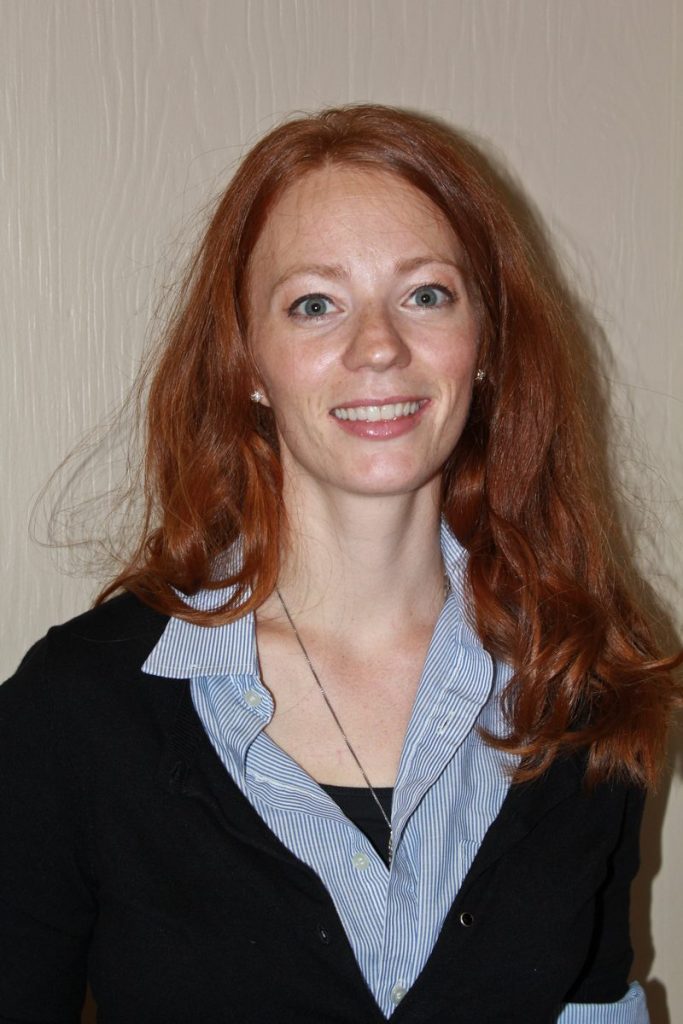
Jennifer Ditlevson Haglund
Even in developed countries, eating well isn’t limited to issues of self-control. The problems of obesity, malnutrition, and unhealthy attitudes about food doesn’t have one cause. And it must be said that these issues don’t only concern people who are considered overweight.
My mom raised me to eat relatively healthy and tasty food, so I know it’s possible to eat well on a budget. When she made brownies, she found a way to sneak zucchini in them. I liked that better than when she put it in vegetable soup. Now I find myself shredding zucchini into pasta, and my child is none the wiser. My mother set a pattern for me, just as people raised differently who survived on Kool-Aid and frozen chicken nuggets or organic dried fruit and rice milk inherited their lots in another way.
I’ve been guilty of judging cabinets and the people who fill them with the prepackaged food my parents constantly talked about being a “waste of money.” I can peer into a grocery cart and calculate how much was spent and is going to waste on stale, open bags of chips and cereal. Counting grams of sugar and reading labels, I nervously recall all the articles on diet and the food industry I’ve read.
In that mode, I make the same mistake I find time and time again when a food blogger writes about substituting traditional wheat spaghetti with homemade squash noodles. They must know that kind of ingenuity in the kitchen requires not only time but changing how the brain has been conditioned to view food.
It’s trendy to hate gluten and encourage people to find pasta substitutes, and for those who can do that, that’s fine and worth a try. But throwing some cheap rotini in a pot and opening a can of marinara and steaming some frozen peas is much better for your health than running through McDonald’s.
Most people who need to change their eating habits most don’t need to ditch russet potatoes for organic beets — that, at least, isn’t the first step. They need to quit buying fast food fries and bake the potato and top it with suggested measurements of salt or butter. After they get used to that, getting more experimental makes more sense. Call me skeptical, but even for the most dedicated dieters, switching from a life of Wonder Bread to that sprouted grain stuff you find in the freezer section isn’t likely to last longer than the extent of a structured program.
Making any changes to diet can be more challenging than buying healthy foods and leaving the Oreos at the store. Aside from the physical dependency people have from eating sugar and salt, there are emotional ties and the routine grocery list to confront. There are also years of bad dieting advice to combat. For example, the fat-free and diet soda trends that started in the 1970s have people convinced that they’re fine to keep consuming inordinate amounts of unhealthy foods all because of the label because it’s not as bad as the full-calorie equivalents.
Add to that nostalgia of childhood meals that people might understand to be harmful to consume regularly, but tradition and culture, and thereby much of identity, is so linked to food that it’s hard to know how to pull them apart.
Singles as well as heads of one-parent households and families with two working adults usually are more constrained either financially or for time. Sometimes the thought of cooking a well-balanced meal for and then having the responsibility of dishes is enough to make the decision for something quick and less nutritious.
When I read a post about homemade almond milk or the glory of chia seeds, I’m tempted to be interested, but then I think about how unintentionally elitist and exclusive a lot of that crowd can be and what kind of assumptions that places on those who don’t consume these foodstuffs. Although I have a heightened awareness of my nutritional choices, the operative word is “choice.” My choices come from education, access, learned behaviors, and financial status.
I don’t think it’s impossible to change diets to move toward wellness. Yet it’s battle that people fight for reasons beyond economics and deeper than habit.
Although I’m no health professional, I write this because I’ve found most amateur health bloggers and activists wanting in a holistic understanding of how people’s relationship to food works. All the skyr and coconut flour in the world can’t erase a life lived before them in a body unaccustomed to their tastes and textures. That doesn’t mean you can’t eat well, or that you must have them to lose your gut or fix your cholesterol. You can try them if you want. I’ll pass on the skyr every time.
Jennifer Ditlevson Haglund is a former news reporter for the Maryville Daily Forum, now living and writing in New York City.



