
Free speech! Free speech!
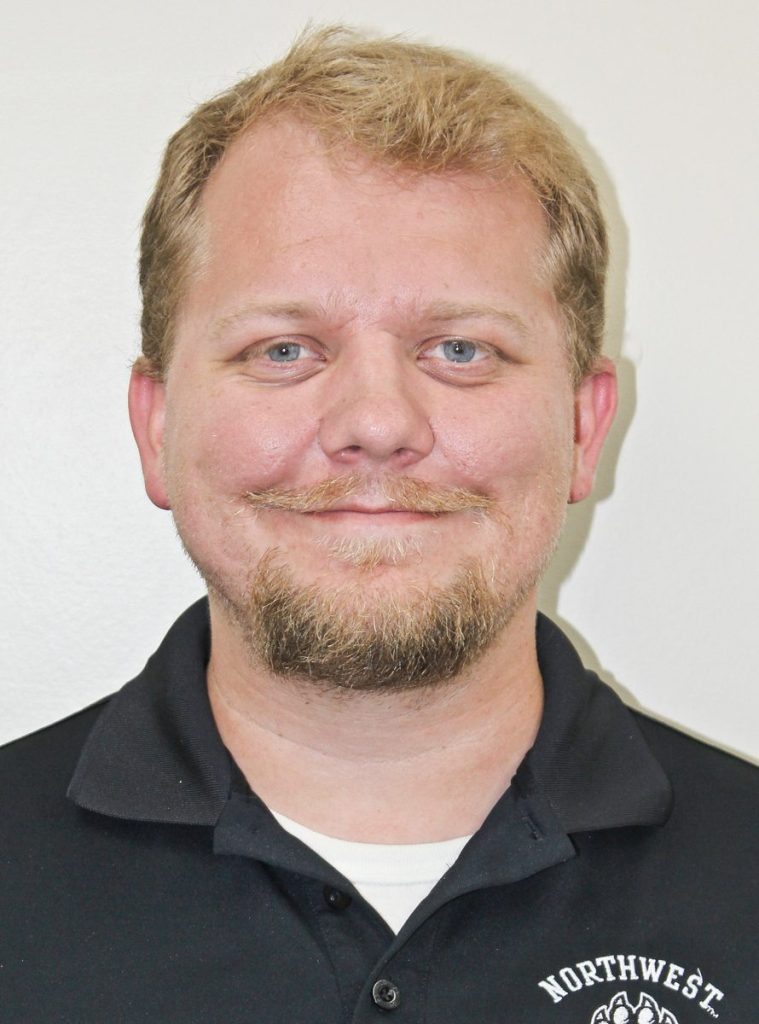
Tom Pinney
I’ve generally noticed that there seems to be a pretty wild misconception on the meaning of free speech, and what I’ve noticed is that it’s very easy to scream free speech when you are voicing an opinion, but not as much when someone else is voicing theirs.
So, since this happens to be one of my areas of expertise, with what happened in Charlottesville a few weeks ago and the aftermath in Boston and around the country, I think it’s time we had a conversation about the First Amendment to the Constitution and everything it entails.
“Congress shall make no law respecting an establishment of religion, or prohibiting the free exercise thereof; or abridging the freedom of speech, or of the press; or the right of the people peaceably to assemble, and to petition the Government for a redress of grievances.”
Let’s go line by line to see what this entails in today’s world.
“Congress shall make no law respecting an establishment of religion, or prohibiting the free exercise thereof;…”
Quite simply, this means that our government may neither establish nor prohibit the free exercise of religion, no matter what religion that is. Whether you serve Jehovah God or the Flying Spaghetti Monster, our government can’t stop you.
This is what made Trump’s initial travel bans unconstitutional: He outright said that Christians from those countries could gain entry into the United States.
“…or abridging the freedom of speech…”
This doesn’t mean you can just go and, of your own free will, say whatever you want, and it definitely doesn’t protect you from the social consequences of doing so. Look no further than those who are praising the NFL owners for not hiring Colin Kaepernick because of his protest (some of whom are, ironically, screaming that the freedom of speech of neo-Nazis are being violated).
According to the Bill of Rights Institute, the Supreme Court has determined that freedom of speech does not include the right to incite actions that would harm others, like shouting “fire” in a crowded theater to incite panic (Schenck v. United States, 1919). This, in particular, is the part of the law that specifically applies to what happened in Charlottesville.
The violent, vitriolic messages being chanted were, in and of themselves, not unconstitutional (Brandenburg v. Ohio, 1969, speech advocating violence at a KKK rally was protected because the speech did not call for ‘imminent lawless action’). However, the second that they used their torches as weapons on Friday night, and the second that the man from Ohio used his car to kill Heather Heyer and injure 20 others, is the second that the legal precedent changed.
And here’s why.
Not only did the KKK and the neo-Nazis not disavow the violence, they supported it. David Duke, former grand wizard of the Klan, said boldly that they were carrying out Trump’s promise to take America back, and this was a huge symbolic victory.
The Daily Stormer, before GoDaddy revoked their URL lease, told its followers that they would be looked on with favor for what they did that day, that women would find them more attractive because they stood for the rights of whites. And as much as I wish I was making that part up, that’s what actually happened; feel free to fact-check me on that.
When the alt-right decided that they wanted their message to be one that directly incited and encouraged violence, their speech became unprotected.
I’m not saying that BLM and Antifa are without blame, except that I am, because in this particular case, BLM and Antifa were provoked, beaten, and killed. That’s the biggest problem I’ve had with Trump and his response: the left (or the “alt-left” that he so desperately tried to pin the violence on) wasn’t to blame here.
Which brings me to the next point, actually, on the freedom of the press.
As reporters, it is our job to hold those in power accountable for what they’re doing with our taxpayer dollars. We report what happens in the news section, and then in editorial sections, we have the power and ability to provide commentary on anything and everything we see.
Remember the discussions on the grain silo? The library tax? The bed tax? The facts were reported on page one, and we expressed our opinions on them right here.
The opinion page is a page of free expression, and even that is limited by two words: slander and libel. They basically mean the same thing, except slander is spoken and libel is printed. Both are falsified claims meant to defame someone.
Up to this point, however, I nor anyone else on this page has been guilty of such an offense. Every opinion I’ve ever expressed has been backed by facts and reasons why my opinions and beliefs are such. And I respect you all too much to knowingly lie to you.
Let’s move on.
“…or the right of the people peaceably to assemble, and to petition the Government for a redress of grievances.”
This is another part of the law that has evolved some, but the initial rights therein are still there. It’s just that, in some cases, you need a permit to do your thing.
But who had a permit to assemble in Charlottesville? If your guess was the Unite the Right Rally, you are correct. If your guess is the counter-protesters, you are also correct.
What about in Boston, a week later? The neo-Nazis had a permit. The counter-protesters had a permit.
Even the Westboro Baptist Church, as much as they hate this country, get permits to protest everywhere they go.
The right to protest goes both ways; no matter who you are or what you believe, you can get a permit to protest and scream your point of view, so long as that view doesn’t fall under the type of speech that isn’t protected.
In summary, the next time someone screams about the freedom of speech, ask yourself if their speech is protected. If it isn’t, it may be smart not to support it.
Tom Pinney is a news reporter for the Maryville Daily Forum.



