
Venezuela in peril
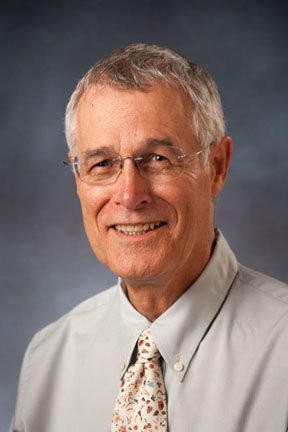
Richard Fulton
This week the American government’s top ethics watchdog resigned saying that this country “is pretty close to a laughing stock at this point.”
As bad as many think it is in the United States, it is many times worse in Venezuela. This South American country has been rocked with dissension focusing on the near dictatorship of its president, Nicolas Maduro.
Since April anti-government demonstrations have continuously challenged the government and its policies. Last Sunday the united opposition held an unofficial referendum on the government’s proposal to hold a Constitutional Convention to redo the constitution. No one believes that redo would do anything but tighten the control of Maduro.
Over 7.2 million people, over a third of the country’s registered electorate, voted against the Convention and called for a fresh elections to oust the president. The united opposition had called for a nationwide 24 hour strike for yesterday.
You’ll have to check the news to see how that played out. Violence from the police and military that are the backbone of Madura’s support as well as reactions from supporters of the opposition most likely took center stage.
Long term opposition has begun organizing people at the very local level to provide grassroots structures to mobilize the opposition.
At the turn of the century Venezuela elected Hugo Chavez, a charismatic, strong leader from the reformist United Socialist Party. He transformed much of the country’s policies towards socialist solutions to problems. His government spent lavishly on social programs from the largess of its oil revenues which increased his popularity.
Venezuela has the largest reserves of oil in the world which means that its economy has been devastated by the recent drastic fall in world oil prices. There has been no balancing economic sector to cushion the blow.
The ills are ubiquitous: huge inflation (500 percent from 2015-16 and still growing); electricity is rationed as well as food and water; the health care system is a national emergency; medicines are in short supply. People stand in lines for hours for overpriced goods.
The disintegration of public services and the economy has brought instability to the country. Plus organized crime has plagued the nation for decades with high rates of murder and violence.
President Madura has challenged the legislature, which is led by the opposition, and ignored its actions. He controls the Supreme Court. And lately he has declared a 60 day state of emergency giving himself immense powers.
The Trump administration stepped in this week and threatened tough sanctions on the government if it continues with the constitutional assembly. The present sanctions only cover individuals, future ones will be against the state.
His statement said Monday: “yesterday, the Venezuelan people again made clear they stand for democracy, freedom, and rule of law.” He called President Madura a “bad leader.”
While the world has condemned the Madura government, it has done little to stop its excesses. Here at least President Trump is putting America at the forefront of pressuring the regime to step back from further steps towards dictatorship. We can only hope his threats will be effective.
America is Venezuela’s main market for its oil so there are ways to cut resources from the Madura government. But those ways also put larger burdens still on the people of Venezuela. Leaving what can be done a quandary.
Richard Fulton is an emeritus professor of political science.



