
History and context
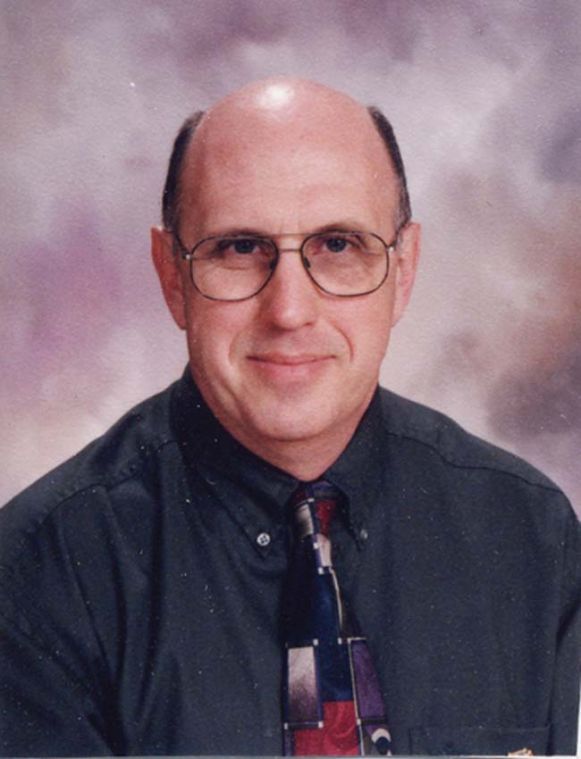
LARRY ANDERSON
Larry Anderson
Recently in Zulia, Venezuela, angry demonstrators tore down a statue of Hugo Chavez, the late duly-elected president who had instituted many socialist changes in his nation before lapsing into the dictatorial attributes of his hero, Fidel Castro.
Social and institutional repression is nothing new, and eventual response to it is predictable. People don’t like having their freedom limited by government that has no empathy for their status. In Venezuela people have resorted to activism triggered by the collapse of the country’s economy, subsequent shortages and rampant inflation, and another socialist president responding forcefully rather than sympathetically. President Maduro has hunkered down, determined to protect the failures of socialism rather than take restorative steps.
Destruction of the statue sent a message.
This event unfolded in a context different than one occurring in America simultaneously. The Chavez incident was part of an immediate political context; a similar response here is more historical but is still reactive and political.
Two years ago an admitted racist pictured flaunting a Confederate flag murdered nine innocent people in a church in Charleston, South Carolina. As a result, the Confederate battle flag was removed from the state capital. Democratic procedure was followed, so I supported the step but with the warning that this could set a harmful precedent regarding historical preservation.
Now, in an effort not widely reported, the city of New Orleans has begun removing monumental reminders of the Confederacy. The first removed was an 1891 obelisk in Liberty Place, a memorial to the Crescent City White League, a racist organization that attempted to overthrow the city’s Reconstruction government in 1874. This memorial honoring the league’s effort became a daily reminder of racism and oppression to many.
I read several articles on the removal. As far as I could determine, democratic and legal processes were followed. The city council voted 6 to 1 in favor of removal which was done in the dead of night by workers wearing masks and bullet-proof vests. Trucks and heavy equipment had company names covered so no one would know who was carrying out Mayor Mitch Landrieu’s order.
Ostensibly, the secrecy speaks to caution; threats had been made. Nevertheless, masked figures removing history when no one is looking is troubling. We have seen this tactic before.
Statues scheduled to be removed soon are those of Gen. Robert E. Lee, Gen. P.G.T. Beauregard, and Jefferson Davis, president of the Confederacy. Dates for removal are a secret.
Understand, there are more black people living in New Orleans than white. This majority must have a say in the kind of image they want their city to project and the kind of environment they want to live in. On the other hand, Lee, Beauregard and Davis are revered as Southern heroes. Not everyone views honoring them as having a strictly racial component.
These points will be resolved and aren’t the main problem. The bigger issue is the liberal, politically correct crowd will interpret this effort as a great triumph. Victory will lead inevitably to more demands for social cleansing throughout the country. Such action might include national monuments.
So what’s next?
Will the Washington Monument come down? Should Confederate museums and military cemeteries be shuttered? Should Civil War battlefields lose their protected historical status?
Don’t be surprised if these aren‘t included one day. New Orleans could be a test of the public’s tolerance for revisionism with national implications.
The solution for New Orleans, it seems to me, is not removal, but countering. Let the statues stand but erect new ones to those who spearheaded the Civil Rights Movement or otherwise significantly contributed to New Orleans’ history and growth.
The contrast between those who defended an archaic and indefensible way of life and those who sought to improve rights for all would be obvious if handled sensibly.
I favor that over systematic removal of history which leaves understanding in the dust.
No matter how this rolls further, there is a remarkable contrast between the social context in which the Chavez statue was destructed and the democratic way in which New Orleans is adjusting its history.
Larry W. Anderson is a retired educator, author and life-long Northwest Missourian.



