
Questioning the reach of progress
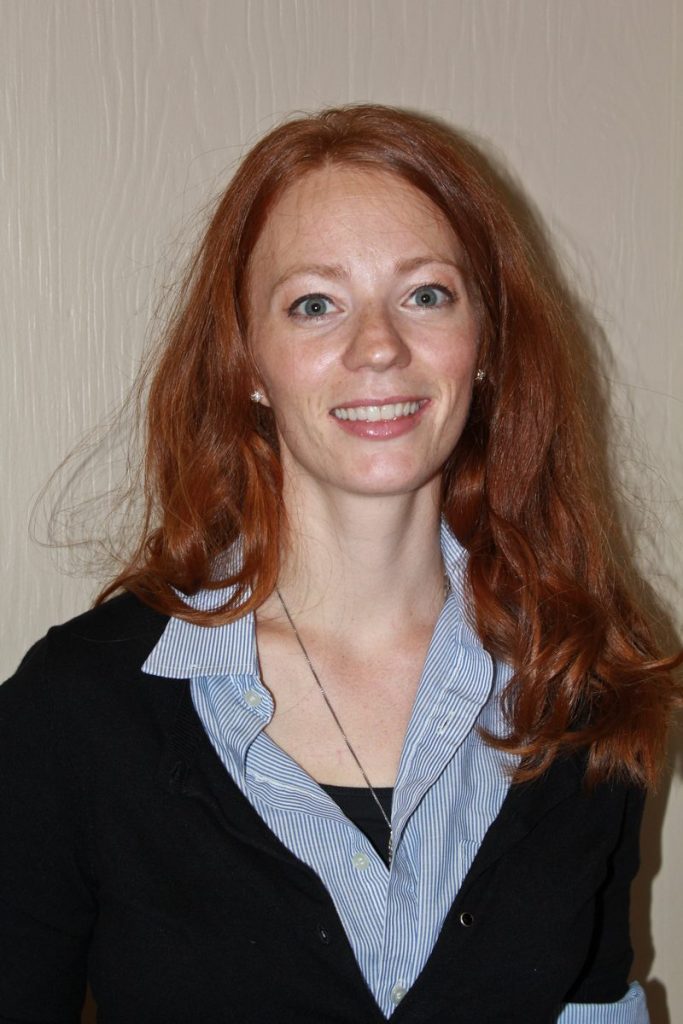
Jennifer Ditlevson Haglund
When I told a new acquaintance where I lived, she told me she’d been wondering “why Queens couldn’t get its hip together” like Brooklyn and Manhattan have. She lives in a gritty but trendy part of Manhattan, home to actors, punk clubs, and musicians.
I’m still always shocked by how easily address snobbery eases its way into casual conversation in New York. Although I haven’t lived here six months yet, I get offended. I’m not territorial, but I find such statements wildly out-of-touch.
In the most polite way I could, I explained that not everyone’s life goal includes sharing overpriced loft spaces near foodie-favorite eateries while they work hard to maintain lives as creatives. Many of my neighbors drive taxis, and their wives work at the grocery store or nanny while the in-laws watch their grandchildren. Often, there are five to seven people living in two-bedroom apartments. Extended families pack into small places to afford rent. If or when they go to the one cafe in the neighborhood, they’re not worried about vibes or good music or the origin of their coffee.
That’s not because they’re unconcerned about ethical consumption. Perhaps they would be thinking more of that if they weren’t working so hard to make it. On my block, several people drive for 14 hours a day so that their children can go to school and learn English better than they have. They don’t care about the coolness of Queens. In fact, they dread escalating rent prices that accompany the cachet of living near popular restaurants and boutique shopping. Many of them have already moved from the neighborhoods close to the East River. One more relocation would be enough to price them out of the city where they’ve spent several years trying to build lives for their families.
The woman who pities the borough where I reside also doesn’t know that Queens is already changing. With neighborhoods adding their own local coffee shops and microbreweries, it’s getting more expensive all the time. A recent report marked Long Island City, which lies next to the East River, as the most expensive neighborhood in the city after the first quarter of 2017. The average rent for a one-bedroom apartment is $2,500. All of a sudden, the rents in areas that have been historically cheaper in New York have skyrocketed, making life harder for those in lower-income brackets.
According to NBC New York, Queens has seen a great increase of their income going toward rent, and part of the shift has occurred because more high-earning renters have moved into the area. The dirty word here is “gentrification.”
I had little experience with the concept, save for what I knew of some transforming areas in Dallas, until I moved to New York. For those as ignorant as I was, it involves renovating and improving a district to meet middle-class standards. One of the frequent upsides of this practice can be cleaner, safer, and more aesthetically pleasing spaces. It sounds nice, and it is, if you can still make enough money to live there. Arguments against it claim that attracting high-density housing and luxury real estate developments displace residents and drive out small family businesses.
The makeup of these areas shifts as the number of non-family households rise. Young college graduates rent apartments together, ride into the city to work, and come home to crash. They’re the ones who care about the “hipness” of the neighborhood. If they don’t have to commute to Brooklyn or Manhattan for their fun, all the better. Once this group of people has done their time climbing the ladder and can afford to live somewhere else, however, they’ll move. Many have no long-term investment interests.
Small towns don’t have to deal with this to the same degree, but I’ve learned over time to question someone any time they drop the word “progress” at a city council meeting or press conference. What might seem like it’s going to strengthen the local economy doesn’t always give everyone the same boost. For some, upgrades can be devastating.
Community leaders must ask what’s going to happen to those whose incomes won’t be able to keep up with costs of living and opt for the most inclusive improvements possible. Otherwise, the leadership communicates that only some people deserve to remain in their neighborhoods, sowing division instead of fostering health in a community.
Jennifer Ditlevson Haglund is a former news reporter for the Maryville Daily Forum, now living and writing in New York City.



