
We still need to talk about race
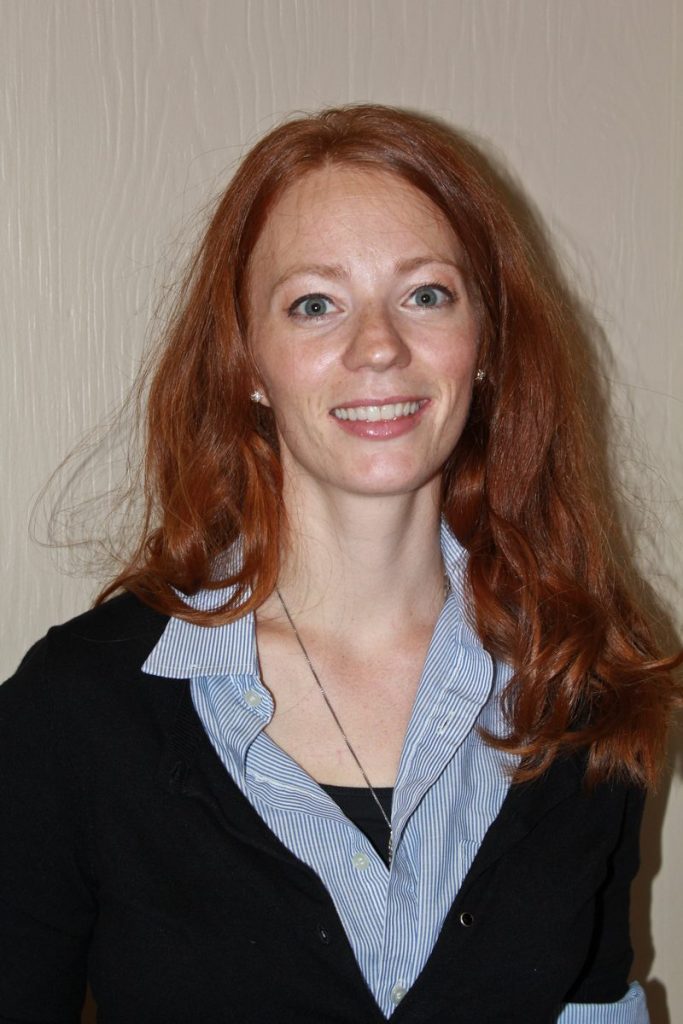
Jennifer Ditlevson Haglund
As I’ve written about before, I’m from a small town in the Midwest where it’s easy for upright people to say they love everyone, regardless of the color of their skin. Children grow up singing that “Jesus loves the little children/red, brown, yellow, black, and white/they are precious in His sight,” and that takes care of it.
But they rarely encounter, let alone befriend, people of other races.
Even if this is due to lack of opportunity, they don’t hear from people they care about what it means to live every day of their lives with the legacy of racism. There’s a long history of why minorities evacuated the northern and middle of the United States. The truth is uncomfortable. People of color weren’t welcome, and arguably, still aren’t unless they’re filling diversity quotas at universities that pump revenue into these micropolitan areas.
When I was reporting a story about racial tension in 2016 for the Daily Forum, I spoke with a recent Northwest Missouri State University graduate. He told me that although he enjoyed Northwest, he wasn’t ready for the culture shock when he went to Hy-Vee or Pizza Ranch with his friends. White people were asking him and his friends about their clothes and making assumptions about the music they liked. They were complimented for being well-behaved, the implied conclusion of the sentence being “for black people.”
He said he felt like he was being treated like a zoo animal. Although he said he understood Nodaway County is overwhelmingly white, about 94 percent according to the 2016 U.S. Census Bureau Population Estimates Program, he didn’t expect to be confronted with such behavior.
As I listened to the young man, I knew there were plenty of people saying that the problems he faced existed only in his mind. Considering the violent threats that one of his fellow Northwest students had published on the now recently defunct anonymous chat app Yik Yak only a few months before our interview, I couldn’t imagine what it would be like to have someone deny my concerns for fair treatment and safety because of the color of my skin or the language I speak.
I am no expert in any academic or professional field that qualifies me to write about this topic with the same weight as a sociologist, psychologist, or anthropologist. As a journalist, however, I spend a lot of time watching and listening.
In New York, I hear white liberals talking about how much they value “diversity,” but as they’re talking about the Women’s March they attended a few months ago, all the people of color are at the other end of the yard, playing with their children, or they’re nannying the offspring of those supportive white people who want their children to grow up bilingual, as well as inclusive and accepting of all races, genders, and faiths.
Facing the problems we have with race, whether it’s white liberals or conservatives, shouldn’t be about getting on the right side of history or protecting our own. This is about learning to love — not merely tolerate — our neighbors. Listening and being willing to admit fault or wrong changes lives. Ignoring race destroys them.
There was a time I might have believed that embracing color blindness could be an answer to racism. Then I learned it was just something that kept me at a comfortable distance from the experiences of people who didn’t look like me. Race carries narratives heavy with a collective, political and social experience. Acknowledging this calls for people to view themselves and others as bearers of the weight of their history.
Although we don’t choose the color of the skin we were born with, we can’t pretend it doesn’t speak of our heritage, and the legacy we’ve received and will leave when we’re gone. We have the power to write better stories in the lives of our neighbors than the ones we inherited. To strengthen a nation, we must start talking with each other, treating all people with the kind of patience, hospitality, love, and patience we expect.
Jennifer Ditlevson Haglund is a former news reporter for the Maryville Daily Forum, now living and writing in New York City.



