
Humans can be so gross
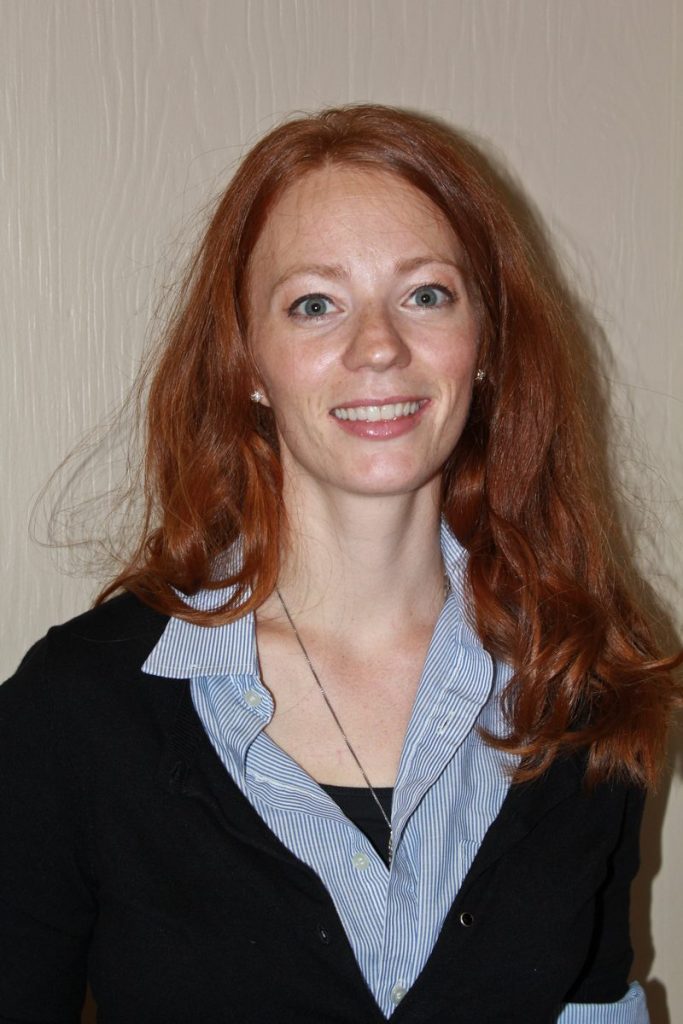
Jennifer Ditlevson Haglund
There is a certain sulfurous stink I associate with the grime of city streets. I first experienced it in Mexico and was naive enough to think the stench unique to areas with outdated or substandard plumbing, like where I was living. But I have smelled those hellish waves of rotten-egg in Marseilles and New York, too.
For a long time, I have thought if I ever made it to hell, the air quality couldn’t be much worse.
Although I haven’t determined the source of the odor, wherever I smell it I notice a commonality in these places. There is refuse everywhere. The guardians of the land as well as the interlopers don’t seem to notice how many wrappers, half-empty drink containers, and an assortment of other rubbish litter the ground.
I don’t know what possesses people to think it’s all right to flick cigarette butts on the ground or toss burger wrappers onto the street. When I stop mid-stride to shake my head at how much garbage can fit at the base of a tree, I get angry and then sad.
I do know that the people who do this kind of thing aren’t acting entitled, or even absent-minded. All the junk on the streets isn’t necessarily a sign of irresponsibility to me. It signifies a widespread sense of dispossession and hopelessness.
That is why scattered trash unsettles me. If people don’t feel like they’re part of something or own it, or if it doesn’t seem hospitable and beneficial to them, they won’t mind so much if it gets wrecked. They might not even notice.
Fixing a problem that deep requires more than a solid recycling campaign or stricter fines for littering.
The suburbs and small towns have their own problems with filth, and I think most of it comes from people thinking the spaces are so wide or that they are so isolated that no one will notice if they toss something from their vehicles.
On my way to teach one morning when I lived outside Dallas, I watched a bloated diaper blow across the gas station parking lot like a very nasty tumbleweed. In the evenings, I would run along the roadside. One time when the grass hadn’t been mowed, I had to run, nearly wading, through waist-high weeds. I didn’t notice until I was back in my apartment that my thighs were covered in oil. The grease from the exhaust had stuck to the plants and transferred to my skin.
I can’t think of a better illustration of how the abuse of natural resources eventually cycles back. No matter how far removed we might feel from the land and water that sustains us, the distance is only a buffer. We cannot sever ourselves from the dependency on a healthy ecosystem.
My little brother lives in Chongqing, China, and he and his girlfriend have to wear masks when the levels of pollution are too high. On those days if he leaves the apartment without one, he said he feels the air burn his lungs after a short walk around the block.
In July he’ll return to the United States where he doesn’t have to keep a “fashion mask” folded in his pocket. Before moving overseas to teach, he didn’t care much about pollution. After watching the yellow haze hover over the city from his window for days at a time, it’s changed how he views the problem. One person can’t clear the smog or the trash, but it’s ignorant and detrimental to think it’s an isolated issue. Even in relatively clean areas, where the only unpleasant fumes to encounter come from animal dung, it’s vital to remember that unhealthy environments rarely stay self-contained. What is someone else’s business will be yours before you know it.
It might get to a point where we all move into biodomes on other planets in an attempt to start over, but we’ll have to take care of those, too.
Jennifer Ditlevson Haglund is a former news reporter for the Maryville Daily Forum, now living and writing in New York City.



