
When virtue signalling replaces activism
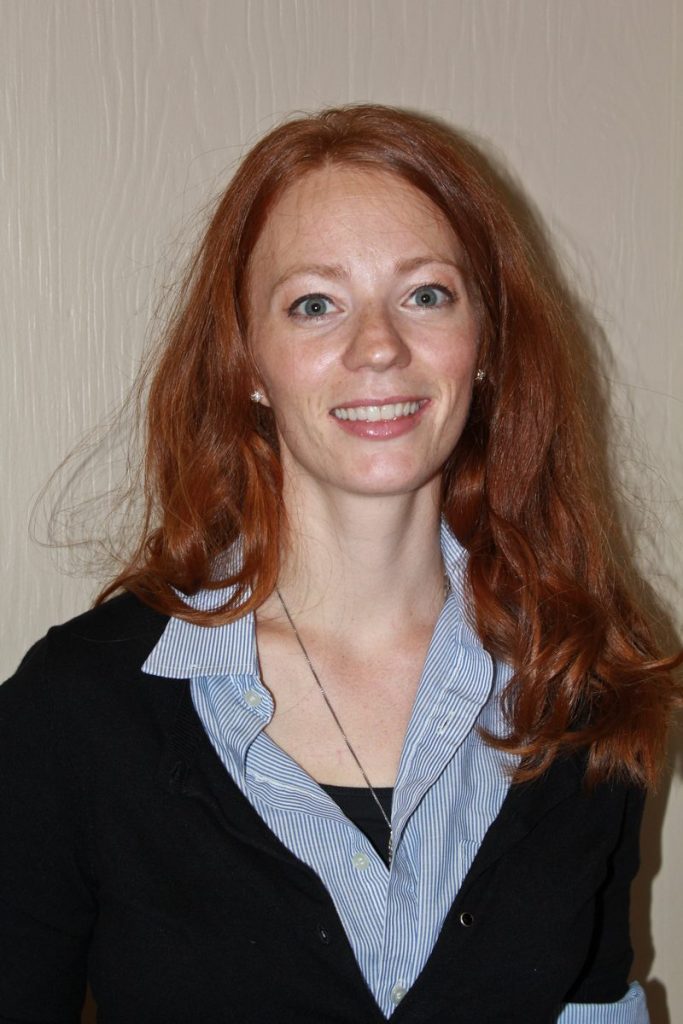
Jennifer Ditlevson Haglund
When my spouse was teaching political science, he would ask his students about their first political memories. Mine took place on a busy street where my parents had taken me to a protest or awareness rally when I was in grade school. I believe it had to do with their anti-abortion stance.
Not much more was clear to me. I didn’t know how abortions worked or why people would want them. I also had no idea of the subject’s gargantuan controversy. I was along for the ride, present but ignorant and inactive.
Each time I see people sharing articles or hear them raising their usual talking points, I’m guilty of cynically asking myself if they are like I was on the sidelines of a gathering I didn’t comprehend. I wonder if the dissemination of any of these articles, memes, and video clips accomplishes anything.
In the name of educating others, we forget that most of the ones who probably benefit from reading these think pieces won’t take the time. If they do, many will retaliate.
The more involved I become online, the more skeptical I am that sharing our thoughts about social issues do as much for the oppressed and marginalized as they make us look like nice people who have the right thoughts — the right thoughts, that is, for those who agree with us.
British journalist James Bartholomew introduced the term “virtue signalling” to define this problem a few years ago. The phrase finally defined what happens when people build public personas from their motives and causes, and I think it fits too well with what I see taking place on social media.
For a writer, and a very passionate one, to question the value of sharing writing is a serious thing. It means that I doubt the purpose and effect not only of my livelihood, but of my voice and conscience as well.
So that I’m not misunderstood, it’s not that I want less action. I want more, but I want it to come from the heart. I want people who ask themselves and others what they can do to help instead of reacting to articles and hashtag movements.
While I claim that I want more action and less chatter, I know that withdrawing from making public statements about specific issues can turn into ignoring my responsibility to find a way to get involved. So much of my life does involve a virtual setting. Ignoring an entire space as an avenue for communication about compassion and justice seems rather neglectful.
The convicting truth is that as cheeky as I can be, I don’t like rocking the boat. I cringe thinking of angering people, even if I am justified. It is extremely difficult for me to challenge people whose worldviews have dangerous outcomes when put into practice. For whatever reason, be it that I am a coward, a middle child, or a contemplative type, I struggle with speaking up when I should.
Real activism takes guts. It should always cost something, and comfort should be the first to go on the altar.
If anyone is curious why I haven’t named one cause in this column, there’s a reason, and it’s not to hide behind ambiguity. We all have lethal problems with our views about something, whether it regards greed, race, class, ableism, gender, sexuality, religion, regionalism, nativism, and the list continues.
Immediately, when people are called out for discrimination related to one of the aforementioned items, they get defensive. They tell themselves they’re good people for recycling, giving to charity, not cursing, or tipping generously, and that’s where the introspection stops. These activities should be a baseline or a pulse point for acting like a human, not the fullest extent of caring about what goes on in the world.
I understand that not everyone is inclined to join a march or online community for a cause when they’re just trying to put food on the table or deal with the junk of their personal lives. Frankly, I don’t think these are the best means of affecting change anyway. I am certain, however, that self-righteous complacency will only make everyone’s existence worse.
When I was a little girl, we had an Irish priest who loved to share a phrase in the homily I still remember: “Whatever is to be, begins with me.” It sounds easy enough to children, but it’s hard to know what to do when it’s so much easier to ignore the cries of outrage and grief of our neighbors. Struggling to find out why we want to brush something aside or why we want to outright fight it takes humility and an open heart. This good work never ends. The next matter requires deciding whether we care to serve one another instead of ourselves.
Jennifer Ditlevson Haglund is a former news reporter for the Maryville Daily Forum, now living and writing in New York City.



