
Keeping it simple isn’t always best
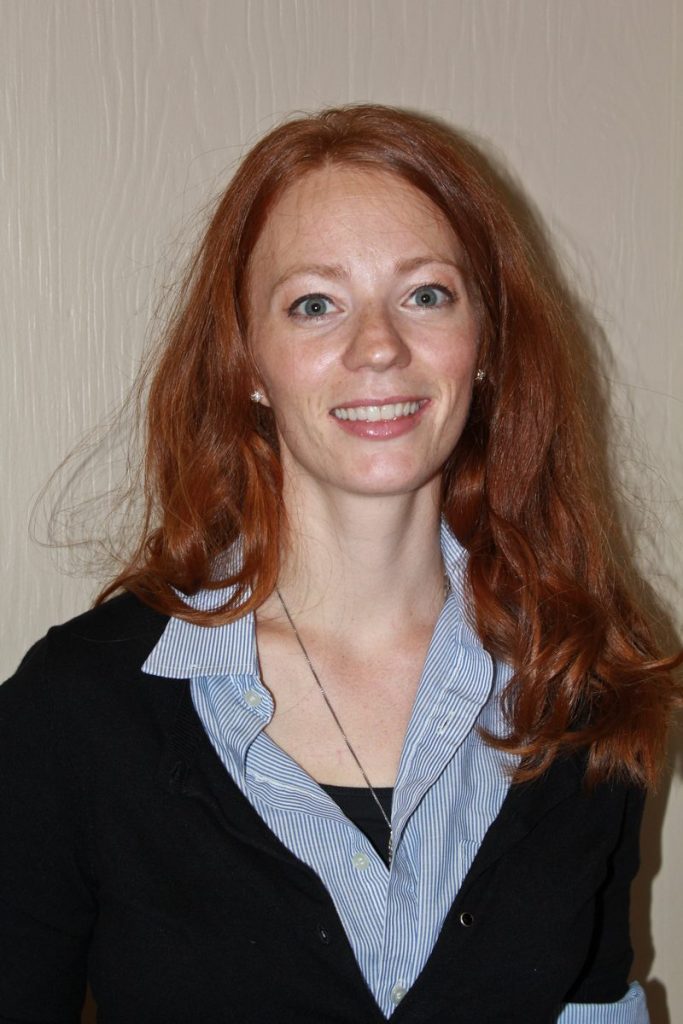
Jennifer Ditlevson Haglund
Anyone who has followed my personal writing and columns in the last five years knows that my father is dead and that I loved him. They could have picked up that he was generally well-liked and a caring individual.
I don’t write much about the damaging things he said while he was alive, and those things I know he did that he never told me.
Before my phone rings and my inbox fills with defenders of my father’s honor, give me a moment. I use him as an example in this column, because I think so highly of him.
It’s macabre, but I think a great deal about elegies and eulogies. When my father died, my family crowded in a living room with a pastor to tell him our favorite attributes of Paul Ditlevson, and what we wanted other people to remember and celebrate about his life. From what I can remember, the minister did a good job interpreting our requests.
In the years since the blur of that unexpected trip home, I’ve ached and convulsively cried, wishing I’d had just 10 more years to spend getting to know my father and having fun with him. I’ve also spent hours on the phone sorting the tangled family history I share with people who knew him differently than I did.
Laudatory statements in memory of my father continue to inspire me on the days I miss him most, but they don’t deliver the whole picture of his life. If I could tell myself that he was always a swell guy, then I could ignore the pain he caused.
But we live in a time when people love to make idols and devils of each other. If a current or historical public figure falls out of favor, wait at least 10 years, and you will find some fantastic revisionism taking place because of a newfound piece of evidence, or because popular opinion has shifted.
In the last year, the deaths of Prince, David Bowie, Carrie Fisher, and recently, Chuck Berry got expressions of public mourning all over the internet. You would have thought that they were archangels by the innumerable gushing tributes, but we know this is not true. They would have told you themselves — and some of them did, in their memoirs and in interviews — that they made lots of mistakes and hurt people.
That people live messy lives or act contrarily to their mores or ideals doesn’t discount the good they did or the art they made. If we dared to accept that people can be wrong, problematic, injured, and self-centered while doing things like helping the poor, caring for the sick, championing social justice causes, communicating beauty, and persevering through personal hardships, we might learn something.
I don’t write this to excuse people for acting horribly; I write it because I see a disservice in keeping our memories simple. When we overlook the sins of our favorite people — those we know intimately or from afar — we dismiss that they leave a bitter legacy alongside any of the good they accomplished. Conversely, when we vilify people and write them off due to their flaws we like least, we diminish their humanity and forget that someday we will lose face, too.
Adding distance with VIP references might help to illustrate my point, but when the criticism gets personal, it’s tricky. Besmirching a romanticized conception of my father isn’t necessarily as disrespectful as it is painful. Remembering my father in his complex and human brokenness is a good thing, even if it is a hard thing. It teaches me about grace, and it pushes me to examine how I live.
I don’t know when I will die, but it will happen, and there will be things about me that my spouse will not miss, if he outlives me. I can think of a few of those tendencies right now. He will miss my humor and mischief but not my bent toward moodiness, catastrophizing, and readiness to criticize others.
With prayer, reflection, and the benefits of wise counsel, I hope to minimize the negative effects of how I live. Nothing, however, will ever work as a perfect damage control mechanism. The next best thing I can do is ask for mercy and that others learn from my mistakes.
Jennifer Ditlevson Haglund is a former news reporter for the Maryville Daily Forum, now living and writing in New York City.



