
Telling your stories
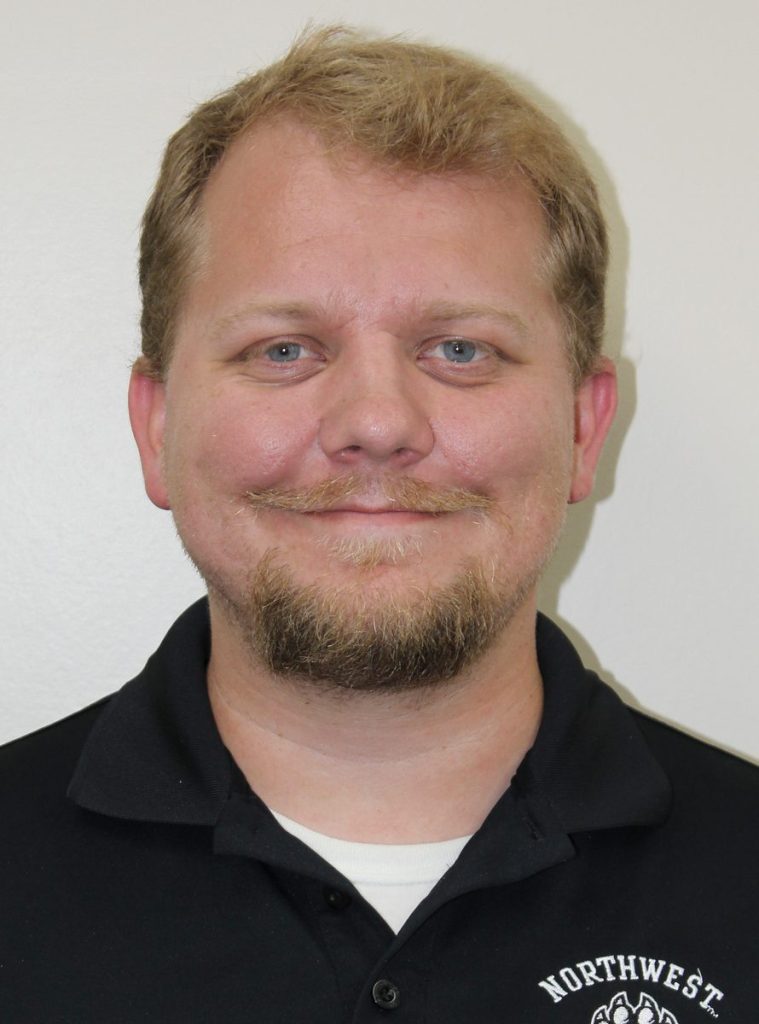
Tom Pinney
I still kick myself for not going to Avenue Q my freshman year of college.
Every year, Ohio University brought at least one Broadway tour to the Templeton-Blackburn Memorial Auditorium (which still feels weird writing; we just called it MemAud). My freshman year, I didn’t feel like going.
My sophomore year, however, I did. My girlfriend at the time really wanted to go to Spring Awakening, and since we were dating, she wanted to go with me.
I wanted to go anyway. Sitting by a girl was just an extra perk for me.
So we decided to make it an annual date, which we had to do because both of us were diligent students. When we found out In the Heights was going to come to MemAud, we were among the first in line to get tickets.
I had never heard of In the Heights before, but Allison had gotten a chance to see the show as part of a New York trip she took her junior year of high school. And she got to see the original cast perform.
After listening to the soundtrack, I was super jealous that she got to see that cast perform.
The show itself, when it came to MemAud, was spectacular. The stage design was so simple, but wonderfully came to life as the performers danced and sang.
In the Heights, if you’ve never heard of the show, follows the citizens of the majority Latino New York City borough Washington Heights. We learn the story of Usnavi, a Dominican-American who runs a corner store with his nephew, Benny, and who dreams of returning to the Dominican and running a bar on the beach.
But we learn much more than that. We learn of the Rosarios, Kevin and Camila, who run a cab company to help put their daughter Nina through college at Stanford. We see the story of Benny, who runs the dispatch for Kevin Rosario, who wants to own his own business someday.
We meet Abuela Claudia, who’s not actually anyone’s grandmother, but acts as the matriarch of the neighborhood because everyone seeks her out for advice. She and her family came from Cuba in the 1940s for better opportunity and she wanted to go back at some point, but never earned enough working as a maid to do so.
We meet Carla and Daniela who run the salon and dream of leaving Washington Heights for better business. We meet Vanessa, who dreams of moving uptown.
We even get a story about the Piraguero, a man who sells shaved ice and has to compete with Mr. Softee, and Graffiti Pete, who likes to … well, you can probably tell from the context clues.
The show was so beautiful because you hear the stories of every person on stage. In “Inutil,” Kevin sings about not being able to afford to send Nina back to Stanford for her sophomore year. In “Breathe,” Nina talks about how afraid she is to tell her parents that she flunked out.
“96,000” gives everyone a chance to express what they would do if they struck it rich after Usnavi gets a letter that someone who bought a lottery ticket from his store won $96,000. Sonny talks about how he would provide computers and Internet to poor communities, while Benny talks about paying for business school and opening a business so successful that he goes golfing with Donald Trump “and he’s MY caddy!”
Abuela Claudia, who is revealed to be the winner, sings about what she remembers in Cuba before agreeing to split the money between herself, Usnavi, and Sonny.
We’re given a performance full of stories so that we learn the dreams, fears, and personalities of every person on the stage. It’s a beautiful show, and it’s no surprise to anyone that the show won the Tony Award for Best Musical in 2008 as well as a Grammy for Best Soundtrack.
I sat in the theater and bawled my eyes out as the cast consoled each other and told stories of what Abuela Claudia meant to them after she dies suddenly of heat stroke, singing “Alabanza,” a word which Usnavi says means “to raise this thing to God’s face and to sing, quite literally, praise to this.” And as the chords swell, you get goosebumps because you can feel their emotion.
You’ve become invested in the story. And you can’t help but shed a tear and say a prayer for Abuela Claudia yourself.
Watching this show reminded me why I first got involved in speech and debate: I wanted to tell the stories of those who couldn’t tell it themselves.
I gave speeches about people who were victims of shoddy pipeline infrastructure, of people who had their lives mortgaged away by for-profit colleges. I told stories of veterans who were mistreated by the Veterans Administration and gave solutions so that they would be treated right.
Coincidentally, it’s also why I love my job at the Forum so much.
Every day, I get to interview people about things they’re doing, things they love. But more than presenting facts, I’m telling stories.
I tell the story of our Everyday Heroes, the things they did to get to where they are now and the fact that they love doing what they do. I tell the story of the seniors in our Senior Spotlight and, next year, the Seniors of the Year, as these kids with their entire futures ahead of them tell me what they want to do for their community.
That’s why I love my job. I love telling your stories. And I can’t really see myself loving anything else nearly as much.
As long as you’ll still let me tell your stories, I’ll do it with pride.
Alabanza.
Tom Pinney is a news reporter for the Maryville Daily Forum



