
Why wait for crisis to make changes?
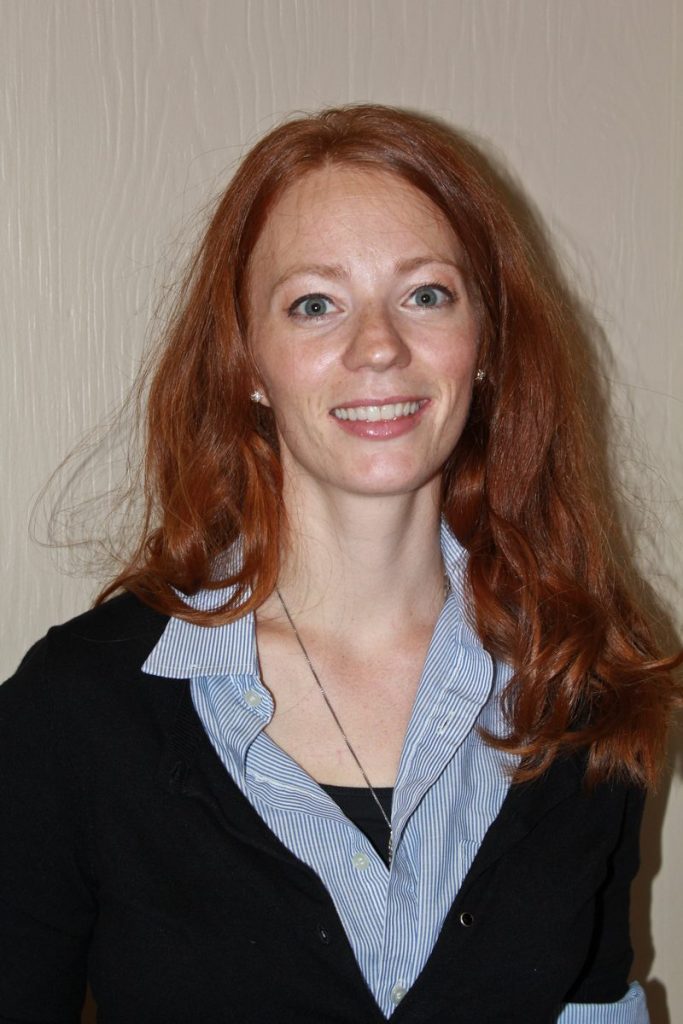
Jennifer Ditlevson Haglund
When people talk about midlife crises, I joke and say my father never had one, because he was still busy having kids. By the time his youngest began college, he had too many children to afford a sports car.
Instead of dyeing his hair back to black or riding motorcycles, he began roasting his own coffee. He bought all the equipment, read the instructions, and roasted pack after pack of those raw beans until the whole house smelled like a third-wave coffee bar.
If I dug deep enough and grilled my stepmom, I might discover some habits he adopted that proved he underwent some form of identity crisis related to aging before he died, but I don’t think he did.
From what I’ve read, the theory of midlife crisis has been disputed for years. Its frequent occurrence and comical or tragic treatment in film and television, however, would have viewers believe otherwise.
Movies like “Old School” or “National Lampoon’s Vacation” depict the midlife freak-out as both funny and pathetic, while in “American Beauty” or “The Squid and the Whale,” its effects are dark and devastating.
I’m not old enough to know by personal experience whether there’s validity in the century-old concept, but I am just the right age to have experienced a recent quarter-life crisis.
Quarter-life crises have garnered attention in the last decade and given young adults an excuse to justify aimlessness, revisit favorite juvenile behaviors, drastically shift career focus, and ponder the meaning of existence. The period is characteristically reckless, transformative, and occasionally enlightening or liberating. “The Graduate” comes to mind as a classic example in pop culture, and “Frances Ha” as a contemporary one.
The first half of my twenties was turbulent, but the difficulties I faced had less to do with resisting growing up and more to do with the results of unexpected deaths, abandonment, and violence. Most people would shake their fists at the sky, cry more, or sneak a few extra drinks for any of that. I kept too busy through the second half of that decade to notice whether I related to the symptoms of the quarter-life crisis. Maybe that helped me through it.
I did dye my hair blue last week, and that might have gotten a few people wondering if I’d joined the party late. At the end of the writing class I teach on Saturdays, one of my students told me he’d noticed the change. He wanted to know “what was up with that.”
I told him what I’ve been telling most people — that I’ve wanted to do it for a long time, and I’m finally at a place where it makes the most sense to do it. I don’t have any uniform code to obey. Besides, I thought, if I didn’t do it now, I probably never would.
“Oh, so it’s a kind of bucket list thing,” he replied.
Now this movie reference might be more apt. I am going to die, no matter what the transhumanists tell me. My organs will cease to function on their own, and I’d like to do some things before that happens.
A recent article published in the Journal of Positive Psychology affirmed that those who take seriously the aphorism of seizing the day and the advice about living like there’s no tomorrow benefit from a deep level of satisfaction in their lives.
In the study, students in the group that had a time limitation on their activities acted with more intentionality and reported the highest levels of contentedness. The element of “temporal scarcity” in this study was supposed to get people thinking about their priorities, goals, and dreams.
As nice as it is to have experts confirm what most people already know, I don’t need a scientific study to remind me of the irreplaceable gift I have in life. I’d rather not wait for an anxious crossroads to start enjoying it, either.
Jennifer Ditlevson Haglund is a former news reporter for the Maryville Daily Forum, now living and writing in New York City.



