
There’s no place like home
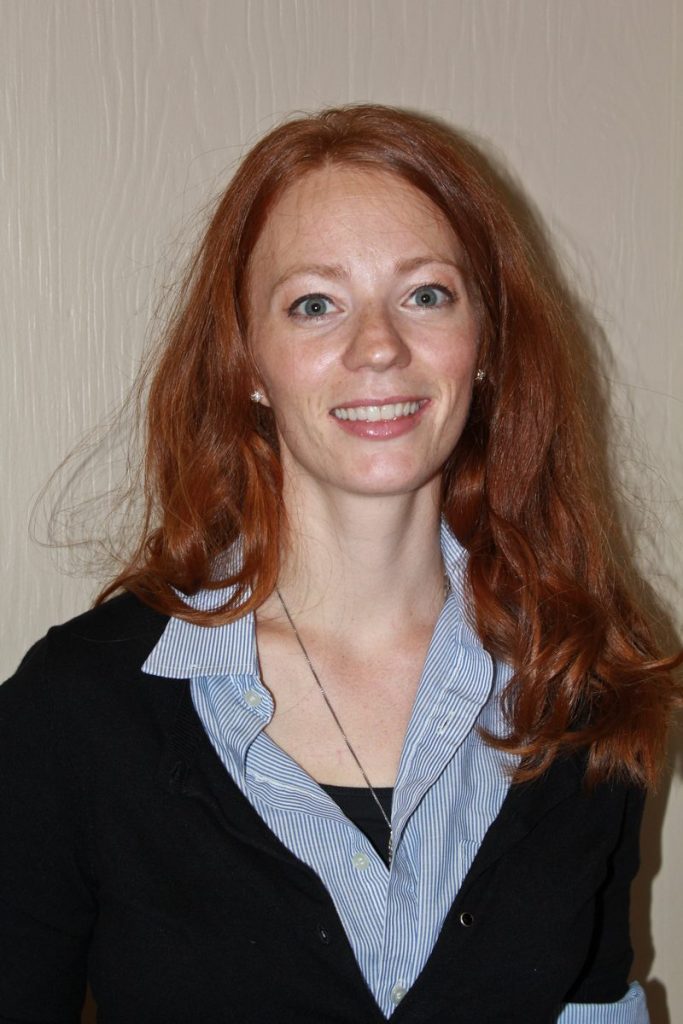
Jennifer Ditlevson Haglund
Lately, when people ask me where I’m from, they’re not asking about a region in the United States. They assume I’m like them, from another country.
Just last week, a Serbian man at the playground thought I was Irish, like his wife. At the New York Public Library Main Branch, a Swiss woman asked if I were Spanish, and in my neighborhood laundromat, a Bangladeshi woman wanted to know if I were from Iran.
When I name a few states I’ve called home, most of them have no idea where those places are, just as I don’t have all the geopolitical boundaries of many of their countries memorized. We talk about their emigration stories, and if they miss their homes.
Few wish to return for good. Either their families live nearby, or they can return to visit often enough that they’re happy with their living situations.
In the predictable exchange of our migration tales, I must answer whether I like where I am. Each time, I shrug my shoulders and say some variant of the same thing: I’m neither thrilled nor upset. We’re here, and we have what we need. Every setting has its challenges and its benefits. If I am feeling open that day, I admit that I don’t feel home yet, either.
I use the word “yet,” because I anticipate that I will someday capture and keep that feeling of connectedness I desire. But as I consider all the moves I’ve made, I’ve been waiting for something that might never come.
No matter how long I stay here, I can’t imagine calling myself a New Yorker. It could happen, but I doubt it. If I ask myself why, I could give the excuse that I will never be a city girl. Yet while I lived in smaller places in Missouri, I never felt quite at home there. Perhaps I didn’t live there long enough; however, I don’t know how long it would take to remedy my homesickness. I thought Texas was another planet, even after I had lived there for five years.
The last time I visited my hometown, I drove by the house where I was raised. The residents had ripped out our shrubbery and poured a cement patio. I’m sure it works nicely for their purposes, but I thought it tacky. It looked nothing like what I remembered. Much of the town had changed, too. None of my family lives within an hour of the place, so I’ll never return for the holidays.
I’ve heard that it’s helpful for nomads like me to seek that “home” in relationships. Every time I see my family and friends from my past lives, I get anxious that I might get a taste of that elusive comfort and never do. I write old-fashioned letters and emails, make phone calls, and interact with people on social media, but like landscapes subject to changes in weather or use, we all change. Sometimes, it’s hard to recognize any remnant of the person we once knew in who we know now. When you run out of memories to reminisce and you’re not involved in each other’s lives regularly, the function of the relationship shifts.
To me, there really is no place like home. My ruby slippers are broken or have lost their magic, and I can’t get where I want to go. It might also be that “home,” as I’ve defined it, doesn’t exist and that’s for the best.
Depending on a person to provide stability or permanence can be so frustrating and detrimental to a relationship. It’s stifling, and it thwarts building intimacy. When I let go of my expectations for people, it’s easier to talk to them about their lives as they are in the moment.
Wanting a physical area with which I can identify my person isn’t necessarily bad, but it’s problematic. At this point, I find that the twinge of unwanted distance I feel from every place I live can be advantageous. I don’t presume belonging, so I speak less and listen more. When I talk, I ask more questions than I offer answers.
These are lessons I have needed to learn, and if it takes a little detachment to get me to value and pursue fellowship, I welcome that phantom.
Jennifer Ditlevson Haglund is a former news reporter for the Maryville Daily Forum, now living and writing in New York City.



