
I’m not a brand, I’m a writer
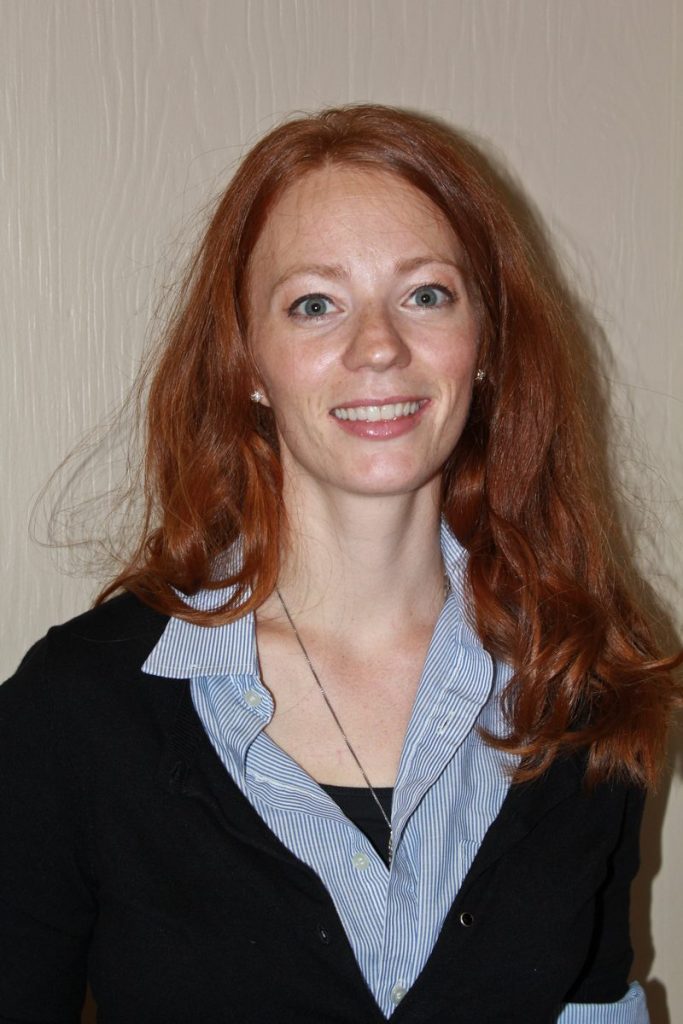
Jennifer Ditlevson Haglund
Job postings for newswriting positions have long required applicants to work long hours and write on tight deadlines. Journalists should love to work collaboratively and have strong organizational skills, as well as knowledge of AP style.
In the last several years, publishers have begun to require “experience developing a personal brand and fan base.”
Junior high and high school were difficult enough. Now I’m being told that it’s not enough to work. I have to work it — online.
Although I will do what it takes to do my job well, I doubt that increasing the number of fans I have or creating a personal brand will make me a better journalist.
I’m no antiquarian. I’m not against social media, either. I use it frequently and appreciate how it has shortened the time it takes to communicate a message across the world. Now that anyone with an internet connection can be their own public relations department, journalists must have stronger relationships with sources and get to information before it blows up on Twitter. That kind of instantaneous self-publishing and broadcasting has remarkable power. Nevertheless, as much good as it has accomplished, focusing on social media has come with its drawbacks, too.
Andrew Sullivan, English author and blogger, recently wrote a much longer piece about “living-in-the-web” in New York Magazine, and I couldn’t agree with him more about how the constant need to engage in social media is detrimental for the news industry as well as for individuals.
Not long before smart phones entered the market, I was taught that I shouldn’t bring my personality or my beliefs into my work as a journalist. The people who taught me to report told me to leave my political preferences and my religion at the door. My job description included being fast, accurate, and concise. When I wrote, I needed to let the story speak for itself, and any acknowledgment I received for my work came at contest time when I’d be judged for depth of coverage.
Now, some journalists want more than a byline. They want followers, not only because their jobs depend on it, but because they’ve found another means of affirmation, knowing that their work isn’t just bird cage lining or packing material. On a personal level, I understand that. When writing for a print-only publication, writers have less chance to interact with the people who read their work.
Without some distance in the reader–writer relationship, however, journalists can’t do their jobs right. Managing audience approval sets up staff writers to hesitate before reporting something that might upset either their personal branding or their employers’. Attracting followers also encourages writers to focus more on whatever has the highest chance of going viral, and sometimes that means writing clickbait and crafting confirmation bias instead of producing hard-hitting journalism.
Individuals interacting with news content in a public manner can be beneficial, but that doesn’t capture most of what I’ve seen online. Neither likes nor casual — and usually uninformed — comments add anything meaningful to the conversation.
One explanation that journalists now need fans and followers, I’m afraid, is that news organizations aren’t ready to admit they’ve quit aiming for objectivity. Incidentally, readers aren’t really interested in it, either. It’s easier to be partisan and pander to the groups you can win with the stories that will make them feel right and good. All the hate from the other side just adds to the attention you get. It sounds like a very good business plan to me, but I don’t like it.
This year I’ve been especially disheartened by both professional journalists and the general public getting into nasty Twitter wars and rage-posting. If I need to stoop to that to get enough followers to get a job, I’ll take my cues and hit my mid-life crisis early by getting my personal training certificate or shack in the mountains instead.



