
Missouri lawmakers override 13 vetoes
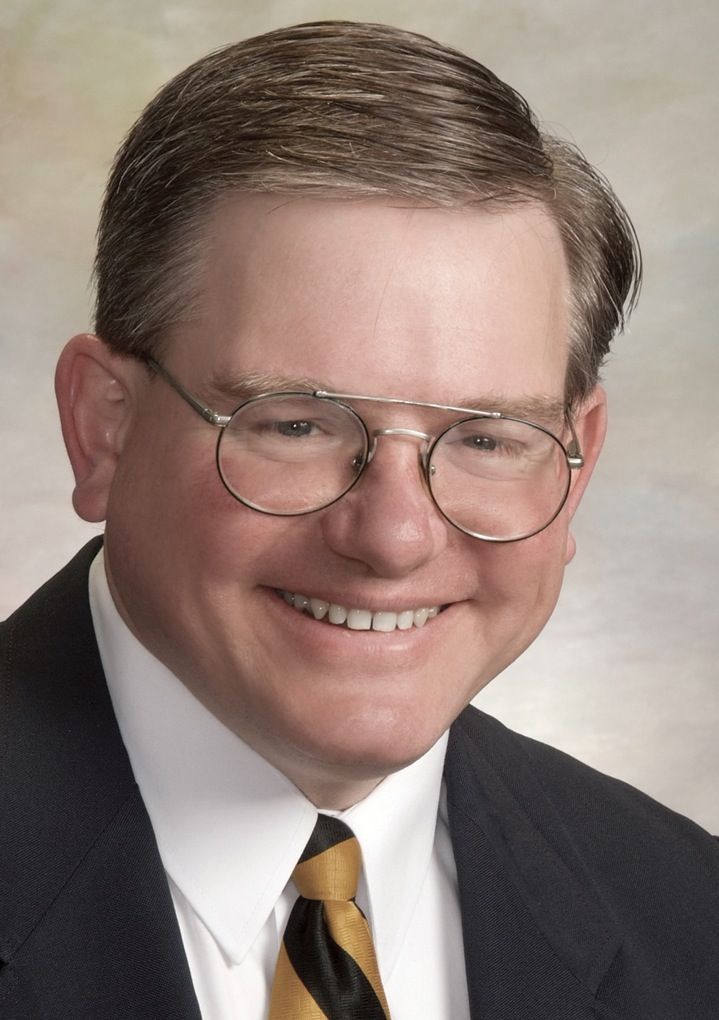
Dan Hegeman
On Wednesday, Sept. 14, my Senate colleagues and I returned to the Capitol for the annual veto session.
This year, there were 20 vetoed bills that were eligible to be taken up for consideration of an override. By the time veto session concluded around 10 p.m., we had successfully voted to override 13 vetoed measures that we believe are right for Missouri citizens and our economy.
Unless otherwise specified, each of the bills that were overridden will become law 30 days from when they were overridden.
Ultimately, there were seven bills that were not brought forward for consideration or failed to obtain the necessary votes.
Among the most notable overrides were, Senate Bill 641 which creates an income tax deduction for payments received through one of the U.S. Department of Agriculture’s programs that compensate agricultural producers who have suffered a loss due to disaster or emergency. We also overrode the veto of Senate Bill 1025, which restores instructional classes taught at gyms, dance studios and other fitness facilities as exempt from taxation. This is the policy that was held before the Department of Revenue changed the application of the law through a reinterpretation.
The two most contentious debates and override motions surrounded legislation to require photo identification when voting and legislation to expand the right to bear arms and the right of self-defense. The General assembly overrode the governor on House Bill 1631, which is companion bill to House Joint Resolution 53, which would enact a requirement to provide a government issued identification when voting. Though overridden, House Bill 1631 will only take effect if Missouri voters approve its companion constitutional amendment, HJR 53, at the polls on November 8.
Finally, the Legislature easily garnered enough support to override the governor’s veto of Senate Bill 656, a comprehensive reform measure that seeks to expand Missourians’ Second Amendment right to keep and bear arms.
Among several other provisions, it allows Missourians to use deadly force in public spaces to protect themselves or others from physical threats and enacts what is known as “constitutional carry.” Constitutional carry enables Missouri citizens who are legally allowed to possess a firearm to carry a concealed firearm without first having to obtain a state permit to do so.



