
Taking lessons from my unruly yard
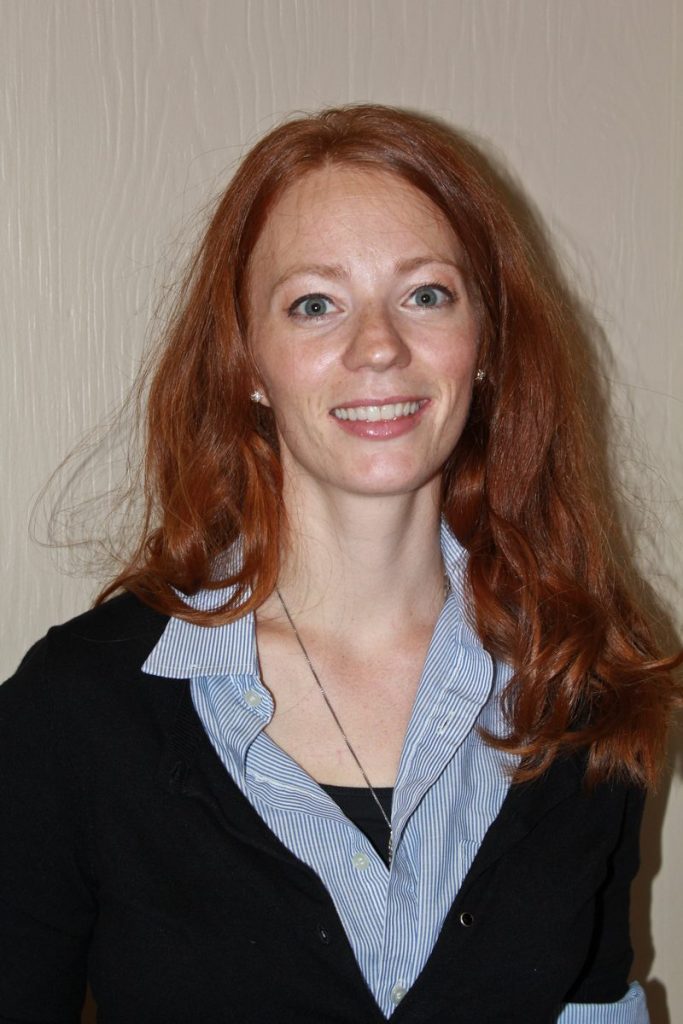
Jennifer Ditlevson Haglund
Surveying my new lawn last month, I noticed plants that I’ve since identified as honey locust trees and pokeweed taking over. Within days of moving into the house, I felled a 20-foot tree from the middle of some hydrangea bushes. The more I trim and shape the bushes, the more evidence I find that the backyard was once impressively manicured. Under the brush I find tags for red geraniums from 20 years ago, and beneath the grass leading to the gate three small pieces of slate stepping stones remain unbroken on the path.
When I am sick of revitalizing, I tell myself there’s a sort of charm in the chaos. It’s just an excuse I make to keep from uncovering more decay and adding more to my to-do list.
Without a lot of time and money, my yard will never be what it was before I first took my shears to it. For too long, previous tenants of the home have ignored it.
Whenever I stick my hands into the dirt to pull weeds or plant flowers, I blame my favorite hippies, farmers, and conservationists — and combinations of these — for the awe I have for nature, both for its infinite capacity for beauty and for destruction. The parallels of human experience and the wild earth never stop.
Like my yard, people, especially those with an exceptionally creative disposition, can fall apart in plain sight.
I come from a long line of sensitive, adventurous and artistic people. My maternal grandfather David was a musician who could play guitar, banjo, and piano by ear. All around the mid-eastern part of Kansas in the ’60s and ’70s, he played originals and covers in barns and bars. He had olive skin and dark, curly brown hair that he styled like James Dean’s. My mother told me I inherited his wide, white smile.
What I know of my grandfather is limited to oral history and a few pictures of him posing with early Stratocasters against a fence in rural Kansas because he died four years before I was born. He was only 45.
At the time, doctors didn’t tell him or didn’t know that there might be a link between heavy drinking and pancreatic cancer. Before my grandfather got sick, he had gone to rehab and lived on his sponsor’s pig farm as a transitional step to taking care of himself. The honest effort to clean up wasn’t enough to pull him through 1982.
My grandfather, like many of the celebrities who joined the 27 Club or died long before we were ready to lose them, had the kind of swagger and disorder so many people find irresistible, and even vital to the life of an artist.
The problem of the tortured artist has had historians, critics, artists, neuroscientists, psychotherapists, and mental health advocates in bitter debate for years. Some think that great art must come from suffering and the creators whose lives are lost to suicide, overdose, and accidental death are the sacrifices we make for it.
I disagree. That mythology kills people who make art. I’d like to think I have a discerning eye for good art of various media, but I would trade all of it to erase a legacy of pain when people lose the fight with their demons. I side with the creators who have lived to tell their stories of surviving hell as a member of a family and friend groups with far too many unnecessary vacancies.
It’s so much work to pull back the distractions of a fast and exciting life to find all that’s dead or dying inside of people. Just like when I get cut carrying thorns to the burn pile, it’s easy to get hurt and overwhelmed when taking part in someone’s personal struggle for restoration.
Although the ones hurting are ultimately those who have to choose to get help, those closest to the disorder can make a big difference. It’s important to recognize that there’s a fine line between happily disheveled and irresponsibly, dangerously neglectful. Even after addressing the mess with the person, those concerned have to remember that no matter what happens and how ugly it gets, there’s beauty somewhere in there waiting to bloom. It might take more than anyone bargained for, but human souls are worth the work.



