
Good teachers do make the difference
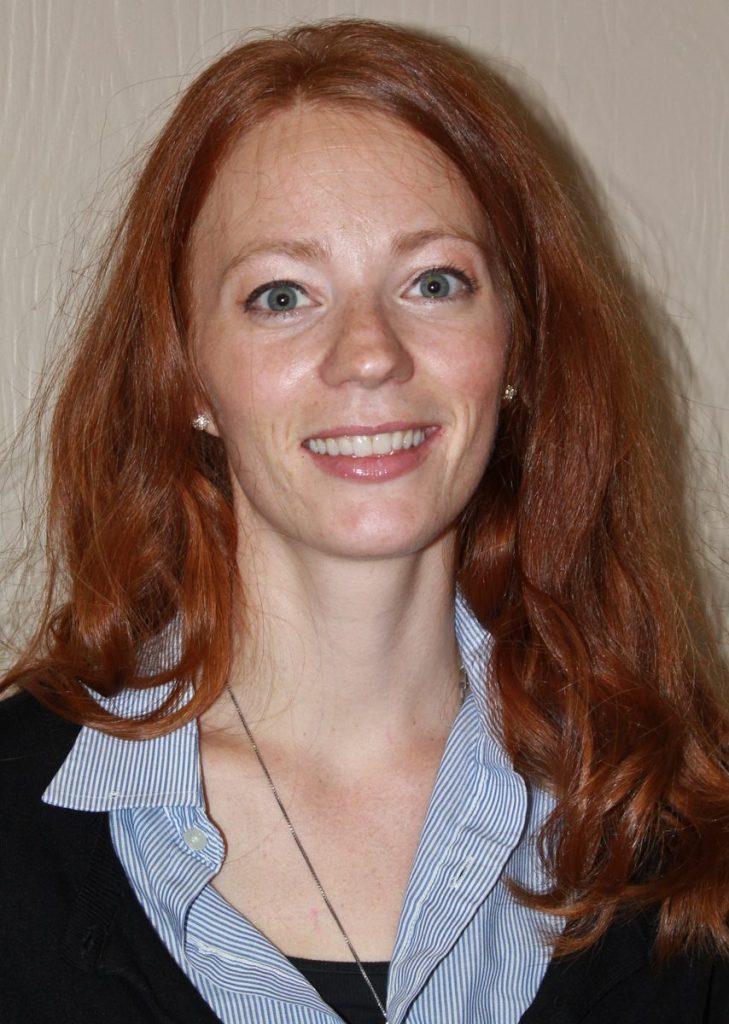
Jennifer Ditlevson Haglund
Every time I move, I find something from childhood that I haven’t been able to throw away just yet.
Recently, a teal wide-ruled notebook surfaced when I was unpacking boxes. In it, I wrote daily letters to Mrs. Carr, my second grade teacher. Sally Carr gave her students daily writing time in the morning when we could ask or tell her anything. I didn’t write much initially, but the entries got longer. In spite of my terrible spelling and penmanship, my teacher learned about our basset hound’s litter of puppies, the classmates I thought were mean, and how my oldest brother felt sick for some reason at his twenty-first birthday party.
Fifteen years after writing those letters, I sat in Applebee’s in my hometown and there was Mrs. Carr working as a server and waiting for me to give her my order. At the time, I was editing two monthly magazines in the next county. Finally, I could tell her that I wouldn’t be a writer if she hadn’t taken the time to respond to every little note I wrote her — even the one in which I tested my new scented markers and asked her to smell them.
For the past 20 years, studies have indicated that family involvement drives student success. I won’t deny that, but that doesn’t diminish the power that educators have when it comes to influencing people. On average, elementary students spend close to 1,000 hours in school every year. Without good teachers, I don’t know how my life would look. I might not be a writer.
My junior high English teacher Kevin Valentine recognized how I not only liked to read and write, but that I might want to do it forever. When I was preparing to transition from a class of 20 girls and two boys in a little Catholic school to the high school where I’d be one of 1,200, Mr. Valentine told me I’d find a home in the journalism class. If I ever wanted to make a living as a writer, I could start with newswriting.
In high school journalism classes, I met another teacher who looked out for me, sometimes literally. My locker was right outside Barry Fortune’s room. When he found out some boys were slamming me into the wall and calling me names, he made them stop. I spent four years taking classes from Mr. Fortune, who taught me AP style and how to lay out a paper with pica rulers and really old Apple computers.
Fortune knew I hated high school and that everything in my teenage world was changing. I was sad a lot. My parents got a divorce, I moved a couple of times, my dad remarried, and I got three new step-siblings. I needed something outside my home life to shift my focus and keep me steady. As a sophomore, I got my first glimpse of a real newsroom when he picked a few of his students to work with the city’s daily for a teen section. By my senior year, I was one of the editors of our school’s weekly “Panorama.”
At the small liberal arts university I attended in Ohio, I had more quality professors than I can thank with anecdotes.
Last week, one of those professors died. I haven’t been out of college 10 years yet, and already I’ve realized I might never get to express my gratitude in person for all the times those professors told me I needed to quit throwing my brain on paper and turning it in, no matter how wonderful I thought that brain might be. They were so patient with me.
With another school year in session, I think of how certain educators in my life prepared me for the blows I’ve taken when I made mistakes professionally and personally, and when I’ve just needed to remember an encouraging word from a mentor to keep going.



