Sunscreen alone can’t shield skin from harm
By JENNIFER DITLEVSON HAGLUND Staff writer
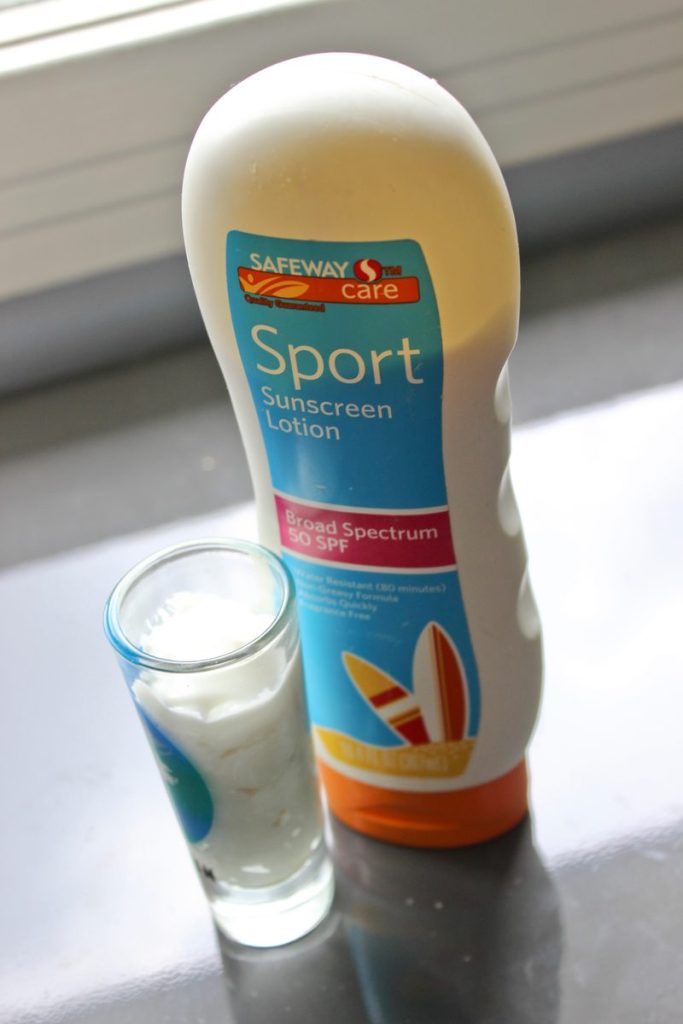
Protecting the skin from the sun’s harmful ultraviolet rays means adding clothing and taking shelter in the shade, but for the parts of the body exposed to the sun, using a sunblock can help. Dermatologists recommend that for every one to two hours in the sun, people should use 1 ounce, or a shot glass full, of sunscreen.
Because people are drawn to pools and picnics in the summer, it’s more common to purchase and wear sunscreen during the warmer months. The sun’s ability to damage the skin, however, lasts all year long.
According to the American Academy of Dermatology, even on a cloudy day, 80 percent of the sun’s harmful ultraviolet rays can penetrate the skin. Activities around snow, sand, and water also increase the need for sun protection because these elements reflect the sun’s rays.
The Centers for Disease Control and Prevention states that skin cancer is the most common form of cancer in the United States, with one in every five people to be affected by it at some point in their lives. The incidence of skin cancer in Missouri is about the same as the national average at 18 per 100,000, but the death rates related to melanoma are some of the highest in the country, at 3.2 per 100,000.
Charles Glass, a dermatologist at Advanced Dermatology and Skin Cancer Center in St. Joseph, said that the death rates might be higher in Missouri because there is a larger rural area in this state that is underserved when it comes to skin care.
“Skin cancer can go undiagnosed for years, and if it’s melanoma, it metastasizes quickly to other tissues,” Glass said. “That’s when the prognosis goes down considerably.”
One of the best ways to avoid skin damage, said Glass, is to prevent prolonged, unprotected exposure to the sun. Between 10 a.m. and 4 p.m., the sun’s rays are hottest, so wearing protective clothing such as lightweight long-sleeved shirts, pants, and a wide-brimmed hat and sunglasses when possible will help.
“Protecting the eyes is another thing a lot of people don’t think about,” he said. “People don’t realize that the eyeball itself can get skin cancer.”
Skin cancer can also form on the lips, so Glass said finding a lip balm with a sunburn protection factor of at least 15 is also important.
Even though sunscreen can’t protect against all sun damage, Glass said it’s better to block some sun than none.
“As far as skin health, there’s no such thing as a healthy tan,” said Glass. “The tan itself is a sign of skin damage.”
People who intentionally tan for aesthetic reasons put themselves at risk for premature skin aging as well as developing skin cancer.
Glass recommends that his patients use sunscreens with SPFs of 35 or greater. Sunscreens with SPF 50, he said, only protect 1 percent more of the UVA and UVB rays than ones at 35 SPF.
In 2016, the Environmental Working Group report states that for every hour spent in the sun, people should apply 1 ounce, or a shot glass worth, of sunscreen to parts of the body exposed.
For the past 10 years, the EWG has published a list of the best and worst sun protection products. The detailed study rates sunscreens according to Food and Drug Administration regulations and claims about products being “waterproof” or “sweatproof.”
“There’s no real way companies can make sunscreens waterproof,” Glass said. “They can be water-resistant, but not waterproof.”
Also, according to Glass, everyone needs to protect themselves from the sun. People of all ages and skin pigmentations can and do develop skin cancer. Those who say they “tan well,” he said, usually are less likely to develop skin cancer, but it’s still possible.
“As far as skin health, there’s no such thing as a healthy tan,” said Glass. “The tan itself is a sign of skin damage.”