
Dietary supplements and chemo
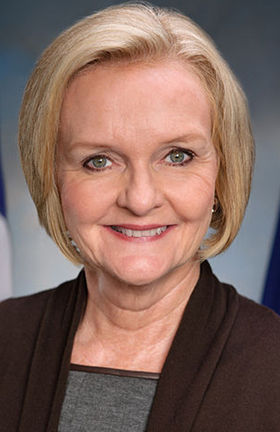
U.S. Sen. Claire McCaskill
After a recent study by the University of Minnesota found that several widely used botanicals and dietary supplements can interfere with chemotherapy and other treatments for chronic conditions, I have written the nation’s top medical associations to see what guidance they are offering doctors regarding the possible risks associated with the use of supplements by patients being treated for serious medical conditions.
These recent findings are particularly troubling in light of other research showing that more than half of patients with chronic diseases or cancer use dietary supplements or herbal products — and that as many as 70 percent of those patients may be failing to inform their physicians.
The fact is that we don’t know enough about how dietary supplements interact with cancer treatments — or with the treatment of other serious conditions. The lack of consumer protection in the dietary supplement industry has left patients facing life-threatening illnesses even more vulnerable.
While prescription and over-the-counter medicines in the United States undergo vigorous testing, there are few safeguards in place to test the safety and efficacy of dietary supplements and other herbal alternative therapies. Currently, the Food and Drug Administration performs no tests on new dietary supplement products as it relates to potency, side effects, or drug interactions.
As top-ranking Democrat on the Senate Special Committee on Aging, I wrote to 10 medical associations asking for any policies they have developed for when and how physicians assess dietary supplement use in patients prior to starting cancer treatment.
Last year, I sent letters to 15 retailers inquiring about their policies concerning dietary supplements and what they do to prevent the sale of harmful or fraudulently marketed products in their stores, on their websites and at shows. This inquiry was in response to the discovery of products such as Brain Armor, which has since been removed from the Amazon website, that made false claims about their ability to enhance memory and treat dementia.
As the Wall Street Journal recently reported, researchers from the University of Minnesota have mined millions of scientific publications to discover potential interactions between cancer drugs and dietary supplements
The results from the University of Minnesota study are particularly troubling given that more than half of patients with chronic diseases or cancer use dietary supplements or herbal products.
Ensuring the health and safety of our seniors is one of the most important aspects of my role.



