
Choosing teams before donkeys and elephants
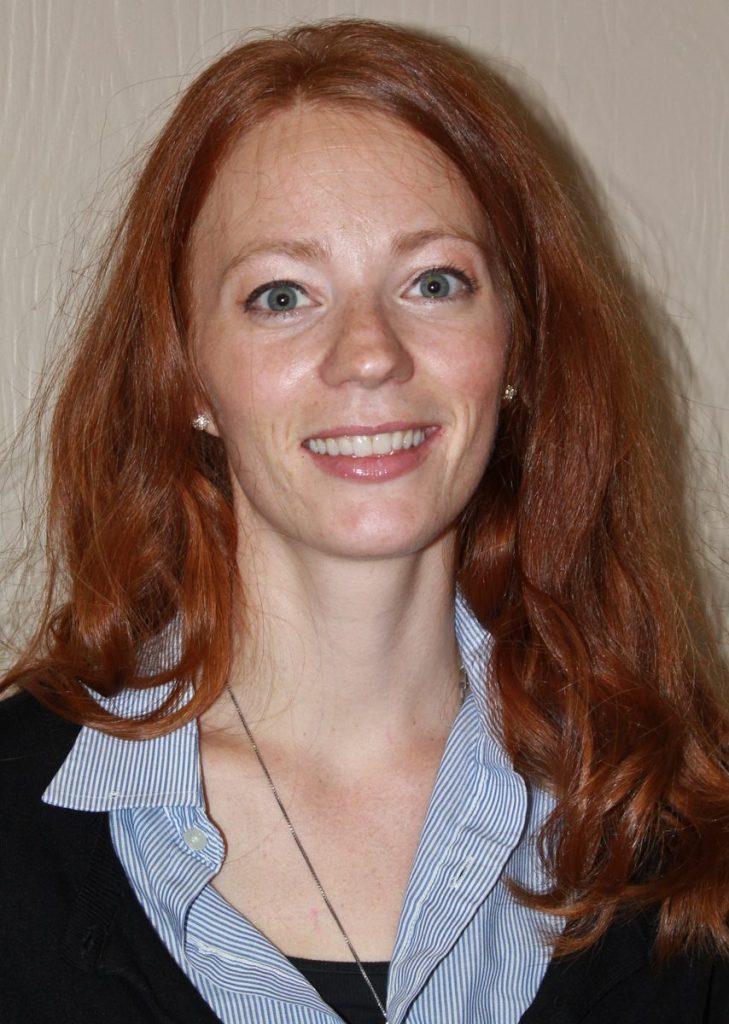
Jennifer Ditlevson Haglund
People take sides and stands about everything from vacation destinations to humanitarian causes to define themselves.
It happens every day, but during election season everyone seems to have a microphone.
Meaningless buzz words like “tolerance” and “diversity” often whitewash the truth because people are expected to say they are open-minded. It’s the acceptable answer.
But for most, it’s not reality.
People want to build their teams with those most like themselves.
Long before answering the question of whether a person likes donkeys or elephants (or unicorns or centaurs), the judgment begins.
In the past, when people have gotten to know me as a journalist, they assumed they knew my politics. My presumed identity gets pretty comically and convoluted when the domino effect begins.
Before I finish introducing myself by giving my very long name, I’m an enemy, or at least an idiot.
If someone finds out that I don’t eat meat, that means I belong to PETA and hate farmers. That makes me a liberal, which means I probably don’t believe in God and hate small businesses, too.
I have a master’s degree in English, so I’m uselessly overeducated. To this person, I’m a pretentious, godless Jezebel feminist yogi journalist.
Some of the most vehement leftist activists know I’m a Christian, which means I’m a backwater populist supporting everything wrong with the United States. Because I eat honey, I’m oppressing the bees.
I have a master’s degree in English, so I’m painfully undereducated. To them, I’m an Evangelical conservative yokel mouthpiece for patriarchy.
I can’t win.
On the other hand, it’s awkward when I get picked for teams I don’t want to join.
My mother and father raised my siblings and me to listen, even though we all talk a lot, and very loudly.
When I forego disagreement, that doesn’t mean I support a cause or political party. I’m taking time to find out about another viewpoint that I might not understand or like.
Frequently, I wonder what would happen if I outed myself and shared my views. I hate to say that I’m certain most would forget that people are dynamic and that having an opinion in one aspect of life doesn’t define a human.
Even if I didn’t act any differently, I would be relegated to the “other” category — kicked off the dodgeball team, so to speak.
The thing is that my experience isn’t unique, and I’m not exempt from these behaviors that further divide people, either. I write these things because I’ve been guilty of passing premature judgments, too.
Election years don’t bring out the best in people — in person, or in various forms of media. Playing nice and ignoring prejudices doesn’t change anything. It bottles conceit and contempt until it explodes, sometimes violently. It gets ugly, and ugly often provides the honest picture of the human heart.
It is said that honesty is the best policy, but choosing civility is more like getting into a 12-step program.
Admitting is the first step to addressing the problem. Most of the work after that doesn’t concern going out and trying to fix everyone else or change their opinions.
It’s about finding value in another human’s experience, which is easier said than done because it’s complicated and uncomfortable.
Getting to know the “others” takes time, but the process provides one of the best mirrors to the soul.



