
Keeping buses safe is serious business at R-2
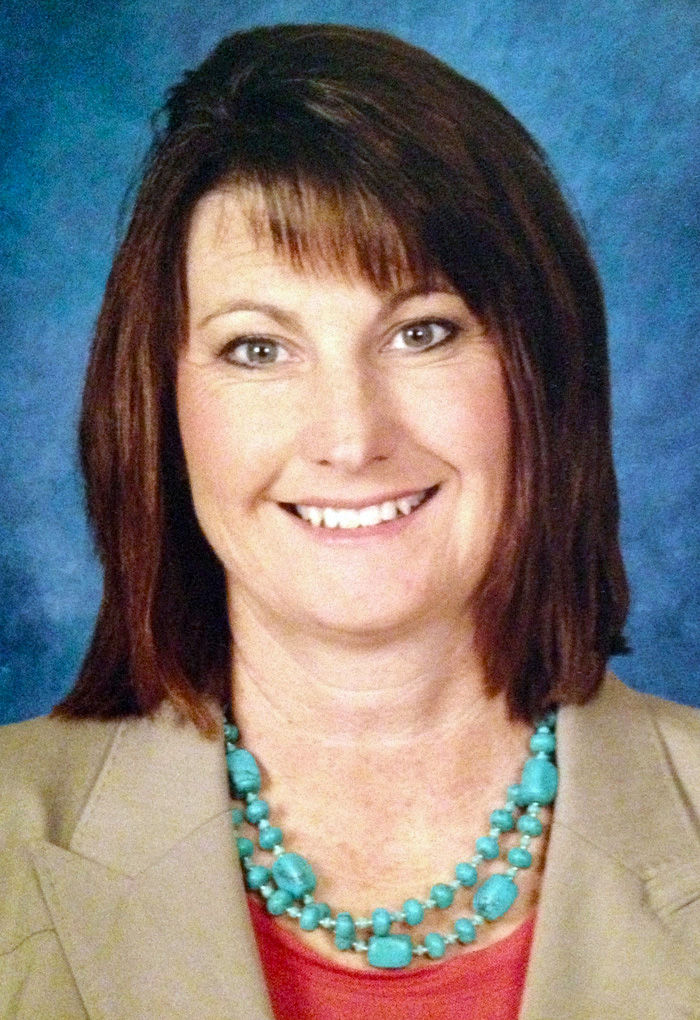
Becky Albrecht
Each day about 25 million kids begin their school day experience by riding the bus.
According to the National Safety Council, school bus transportation is the safest way for kids to get to and from school. In fact, it claims riding the bus is 13 times safer than riding in the family vehicle and 10 times safer than walking.
Even so, bus safety is a real issue, one that deserves attention.
Each year, the third week of October is designated throughout our country as School Bus Safety Week. The intent of this special recognition is to promote school bus safety by heightening awareness of the issue among school personnel, students, parents, motorists, bus drivers, and other patrons.
Buses are designed for safety.
They are bold yellow. They have large mirrors and bright, flashing lights. They are taller and heavier than most vehicles and move at moderate speeds. They have high-backed seats made with impact reducing materials that prevent kids from being thrown great distances.
This design is a passive restraint system known as compartmentalization and is the reason most buses do not have seat belts.
Quite a bit of controversy exists on whether buses should have seat belts or not. Some argue that while belts might help more during side impacts and rollovers, in other accidents they could cause more head and abdominal injuries that result when kids experience a severe jerk from the belt on impact.
Education Week reports that while a couple dozen states have considered mandatory seat belts on buses, only two — New York and New Jersey — have actually passed laws to that effect.
The federal government is currently investigating this issue, and in the next year or so will likely provide a report with new guidance for school districts.
Maryville R-II takes bus safety very seriously.
All buses are inspected by the Missouri Hiqhway Patrol annually.
In addition, all drivers are required to conduct a pre-trip inspection of the bus before leaving for a route.
Each semester, the district conducts emergency evacuation drills with students.
Bus drivers are mandated to have an annual physical exam, obtain and maintain appropriate licensing, pass a background check, and annually participate in a minimum of eight hours of annual safety training.
As a driver, you can help us keep bus riders safe by following some general guidelines.
Always watch out for children walking or bicycling to school, especially when backing from driveways.
Go slowly and watch for children walking in the street, especially if there are no sidewalks.
Also be aware of children playing or waiting around bus stops.
Know the rules.
Flashing lights indicate the bus is preparing to stop to pick up or drop off children.
Red flashing lights and an extended stop arm signal indicate that the bus is stopped, and that children are getting on or off. Cars must stop a safe distance away and not proceed until the red lights stop flashing, the stop sign folds back, and the bus continues on its way.
By working together, we can help keep kids safer as they travel to and from school.
If you have questions about the Maryville R-II bus operations, please contact the bus barn at 562-3663 or the district office at 562-3255.



