
Determining how Missouri’s highway system is funded
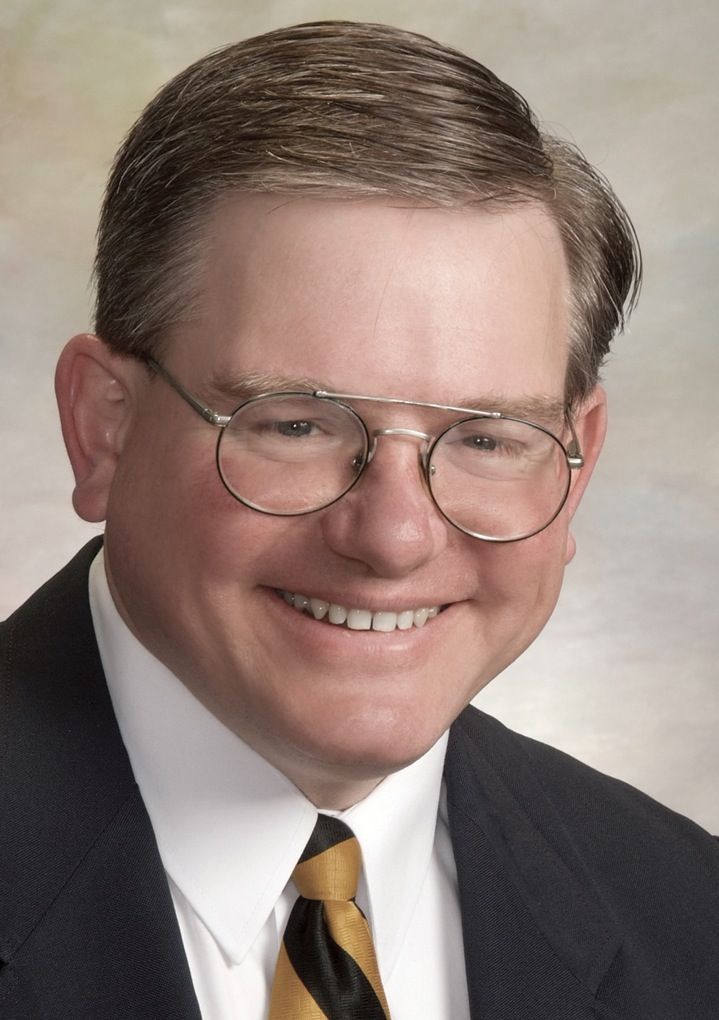
Dan Hegeman
The Senate spent significant time this session debating proposals to begin addressing the challenges facing Missouri’s highway system.
This debate is critical as the Show-Me State is home to the seventh largest highway system in the country, with more than 34,000 miles of roads and 10,400 bridges.
But, while Missouri has one of the largest systems in the nation, we rank 46th in the nation in terms of revenue spent per mile, and those revenues have not kept pace with the increasing costs of road construction, maintenance and materials.
Missouri’s transportation system is predominantly funding through a state fuel tax and the ability to leverage that tax to draw additional federal funds.
Since 1996, the state fuel tax been set at a fixed rate of 17 cents per gallon for motor fuel. Accordingly, increased funding for our highways only occurs with a corresponding increase in fuel consumption.
The federal government, however, has required, and consumers have demanded, greater fuel efficiency from our automobiles, which has resulted in a decreased rate of fuel consumption that leads to a reduced rate of revenue generated by the tax.
This reduction in the rate of revenue generated by the fuel tax continues to occur even as costs for road construction, maintenance and materials continue to increase at a much higher rate.
Additionally, the revenue currently generated by Missouri’s fuel tax will soon be insufficient to meet the minimum requirements to draw down federal highway funding.
In fact, current projections for FY 2017 are indicating only $325 million in funding for Missouri’s highway system, which is less than half of what was available just a couple of years ago.
In preparation for this fiscal scenario, the Missouri Department of Transportation has adopted the “Missouri 325 System Plan” to go into effect for FY 2017.
That program will result in a complete shift toward maintaining “good” condition on just 8,000 miles of primary roads and bridges, while the remaining 26,000 road miles in the system are likely to receive limited maintenance or emergency repairs only.
This impending scenario and the demands that we have placed on our massive highway system have created an ongoing discussion over the last several years about how our highway system is funded and maintained.
This discussion ultimately led to a statewide vote in 2014 on a sales tax for the purpose of funding our highway system.
This proposal was defeated by the voters and the discussion continued anew during my first year in the state Senate.
In response to the decision by the voters, a number of legislative measures to address this issue were brought forward in the 2015 legislative session. The approach that received the most discussion was to increase the fuel tax by a few cents and to do so by an act of the legislature, without voter approval.
While I understand the challenges facing our highway system and the need for both short- and long-term solutions, I voted against and would not support an increase in taxes that did not go to a vote of the people.
I believe that no matter the issue or the challenges, any proposal to increase taxes must be determined directly though a vote of the people.
Ultimately, none of the highway funding proposals from the 2015 legislative session made it to the governor.
This was in no small part due to the demand by many in the legislature that a measure to increase taxes must go to a vote of the people. I believe that the voters should have the right to determine whether their taxes should be raised, and, in this case, how and to what level should our highway system be funded.
As always, please feel free to call, email, or write with your ideas or concerns.
My Capitol office number is 573-751-1415; my email is [email protected], and my mailing address is Room 332, State Capitol Building, Jefferson City, MO 65101.



