
Bills moving to Nixon’s desk
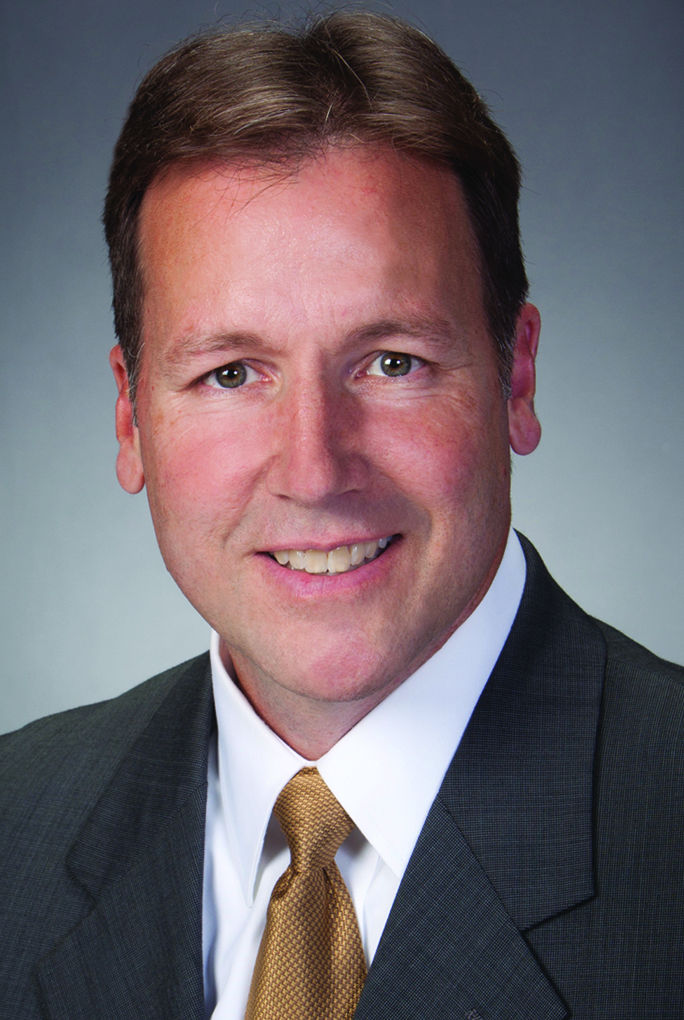
Rep. Allen Andrews
As we begin to near completion of the 2015 legislative session, bill activity has hit a fever pitch with more than 50 pieces of legislation moving through the chamber last week alone.
To date, the House has given final approval to more than 250 House bills and sent them to the Senate. In comparison, the Senate has approved nearly 130 Senate bills and sent them to the House.
Of all the bills moving back and forth between the two chambers, more than 30 have made it out of the General Assembly and to the governor’s office.
As the Legislature looks ahead to the final two weeks of session, the number of bills sent to the governor will increase dramatically. The governor has already signed bills to revitalize the state’s dairy industry; attract new data center facilities and jobs, and generate new revenue by providing a period of tax amnesty to delinquent taxpayers.
In the coming weeks, he will have the opportunity to sign, or veto, many more pieces of legislation, including the state operating budget, unemployment reform, welfare reform, as well as many other bills that will cross the legislative finish line in the final days.
One piece of legislation signed by the governor this week authorizes approximately $250 million in supplemental spending for the current budget.
The bill was approved a few weeks ago by the House with bipartisan support and provides necessary funding for education and programs that assist some of Missouri’s most vulnerable citizens.
Some of the funding items contained in the bill include:
• More than $7 million for public education, primarily for early childhood special education and the school district trust fund;
• More than $11 million in funding for services for abused and neglected children who are in protective custody of the state through the foster care system;
• More than $4 million for staff providing direct care services for Missourians receiving treatment at Department of Mental Health facilities,
• More than $41 million for In-Home Services for seniors and Missourians with disabilities through the Department of Health and Senior Services, and
• More than $5 million for programs assisting the blind through the Department of Social Services.



