
Have you had your check lately?
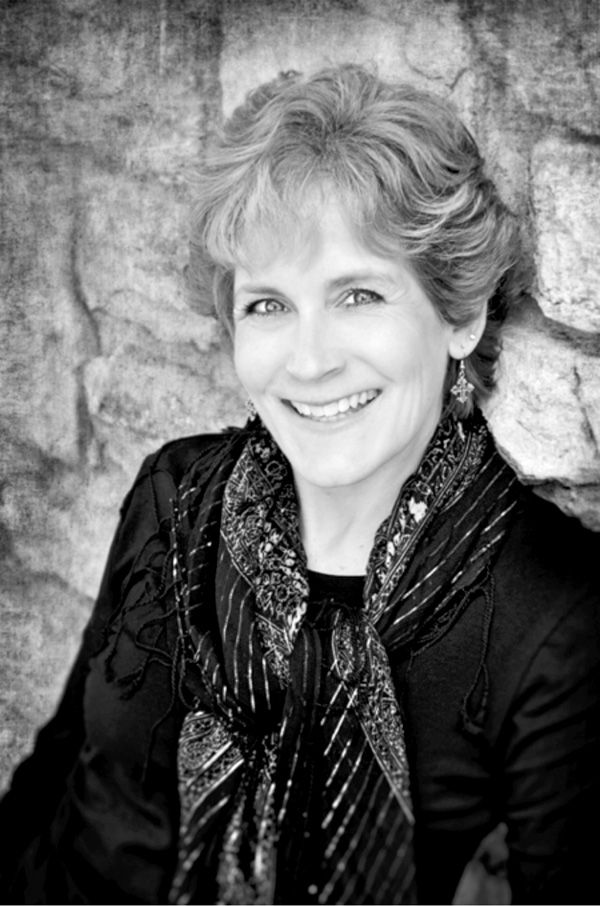
JUDY FRUEH
The month of March causes me to start thinking about gardening, washing windows and colon cancer screening. OK so maybe those that know me well know it really only causes me to think about colon cancer screening.
American Cancer Society has designated March as Colon Cancer Awareness Month. While no one likes to think about colorectal cancer or screening, it is important to realize regular screening is the most effective way of prevention. Finding polyps before they become cancer is the primary way colorectal screenings work.
Colorectal cancer is the second leading cause of cancer deaths in men and women. For that reason, both need to start screening for this cancer at age 50, or sooner if one is at higher risk for developing colorectal cancer.
There are many screening tools available and determining which one to use can be confusing. I cannot stress enough how important it is to visit with your health care provider, share your family history, symptoms if any and together, you can decide what test is best for you.
It is always a good idea to check with your insurance company because many health insurance plans will cover preventive screenings.
There are some tests that only check for cancer. These check the stool, are easier to do and less invasive than other screening tools. Their downfall is they are not able to detect polyps.
These tests include guaiac fecal occult blood test and the fecal immunochemical test.
These tests should be done yearly. These specimens can be obtained in the privacy of your home and sent to a laboratory. St. Francis Hospital and Health Services currently offers the FIT test free. The stool DNA test, which should be done every three years, is another way to check fecal material for cancer.
Checking for polyps and cancer can be done with a variety of tests that look at the colon to find any abnormal areas. Finding polyps before they become cancer can prevent colorectal cancer. If one choses to have a flexible sigmoidoscopy, double-contrast barium enema, or a virtual colonoscopy for a screening for colon cancer, these should be done every five years. A colonoscopy should be done every ten years.
With a flexible sigmoidoscopy the physician can see part of the colon and the rectum. With the double-contrast barium enema your health care provider uses barium and air to detect abnormalities. If a polyp or other concerns are found, this would require one to have a colonoscopy. During a colonoscopy the whole colon is visualized and polyps can be removed. With a virtual colonoscopy the whole colon is also visualized, but polyps are not able to be removed with this procedure.
Talking to your health care provider, knowing your risks and getting the proper screening are ways to help you stay healthy.
While we can’t control our age or our family history, we can do some things to reduce our risk of colon cancer. Studies show people who eat less red meat, less processed foods, more fruits and vegetables, exercise regularly, reduce or stop smoking, and maintain a healthy weight decrease their risks of colorectal cancer.
So before you wash those windows and start working in the garden get screened for colon cancer!
Information for this article was obtained from the American Cancer Society website. More information can be found about all cancers by visiting the American Cancer Society website at www.cancer.org
Nodaway County Crusade Against Cancer is a local coalition. The coalition’s primary focus is on skin, colon/rectum and breast cancer awareness and prevention.



