Colorectal cancer: There is hope
SUBMITTED PHOTO
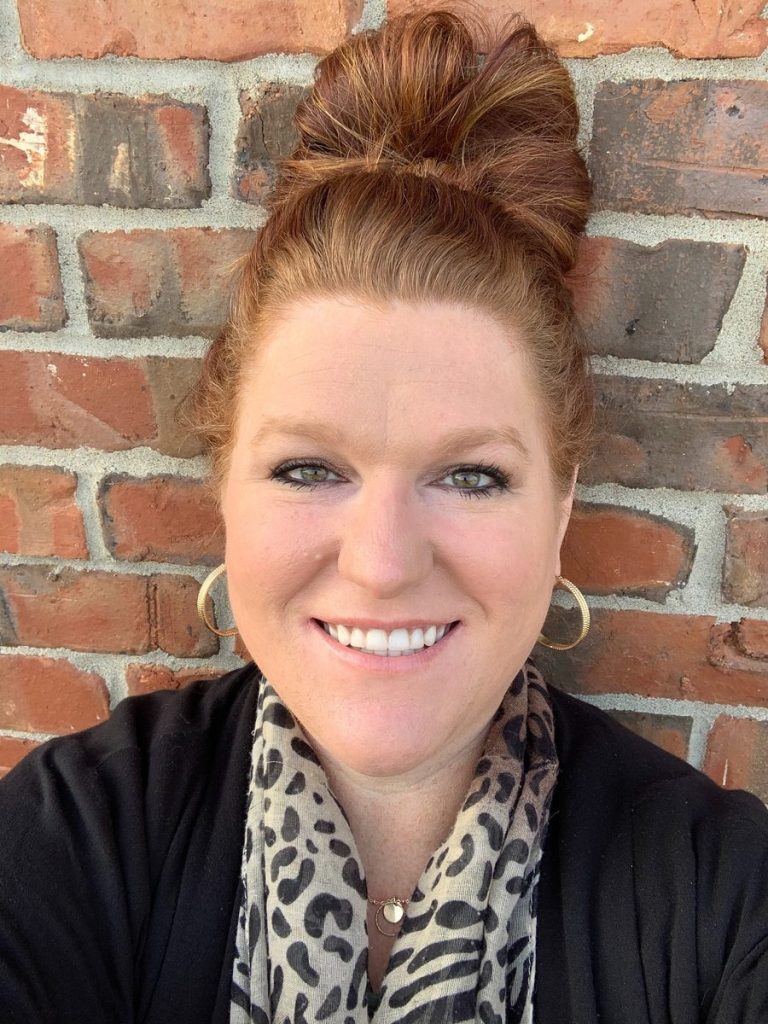
Suzanne Von Behren is an RN and Health Educator at the Nodaway County Health Department.
What if I told you that the third most common type of cancer in the United States is also one of the most preventable? According to the American College of Gastroenterology, colorectal cancer will affect 1 in every 23 Americans. However, the good news is that there is hope. There are several behaviors we can do to avoid becoming part of that statistic.
Let’s start by discussing what colorectal cancer is, the symptoms, and risk factors. Colorectal cancer is a disease in which cancer cells form in the inner lining of the colon or rectum. Most colon and rectal cancers originate from benign wart-like growths on the inner lining of the colon or rectum called polyps. Colorectal cancer symptoms can include new onset of blood in or on the stool, abdominal pain, unexplained weight loss, a change in typical bowel habits, such as constipation or diarrhea, or a change in stool caliber or shape. However, most early colorectal cancers produce no symptoms, which is why screening is so critical.
Risk factors that we cannot change include our age, family history, and certain chronic health conditions, such as ulcerative colitis or Crohn’s disease. Although 90 percent of new cases occur in people 50 or older, colorectal cancer is on the rise in those under 50. There are many risk factors that we can change; therefore, decreasing our risk of getting colorectal cancer or at least catching it in the early stages before it has metastasized (spread) to other areas of our body.
Some of those changes can be maintaining a healthy weight, adopting a physically active lifestyle, drinking at least eight glasses of water daily, and eating a healthy diet of fruits, vegetables and high fiber. In addition, one of the most important things we can all do is to get regular screenings and talk to our health care providers.
Colorectal cancer can be prevented, not just detected, through screenings such as a colonoscopy.
This cancer arises from pre-cancerous growths or polyps that grow in the colon and, when detected early, polyps can be removed, halting their progression to colorectal cancer. The development of more than 75-90 percent of colorectal cancer can be avoided through early detection and removal of pre-cancerous polyps.
When should you start getting screened for this cancer?
First, know your family history. Those with a personal or family history of polyps or cancer may need to start screening earlier than the general public.
Second, talk with your health care provider for their recommendations based on your current and past health history. In 2021, the American College of Gastroenterology updated its colorectal cancer screening guidelines to recommend that screening in average-risk individuals begin at age 45. There are various screening options available; however, colonoscopies remain the gold standard.
Please talk to your health care provider about your personal and family health history, symptoms and about any concerns you may be having regarding screening. I promise your future self and family and friends will thank you.
Suzanne Von Behren is an RN and Health Educator at the Nodaway County Health Department.