Pondering the calendar
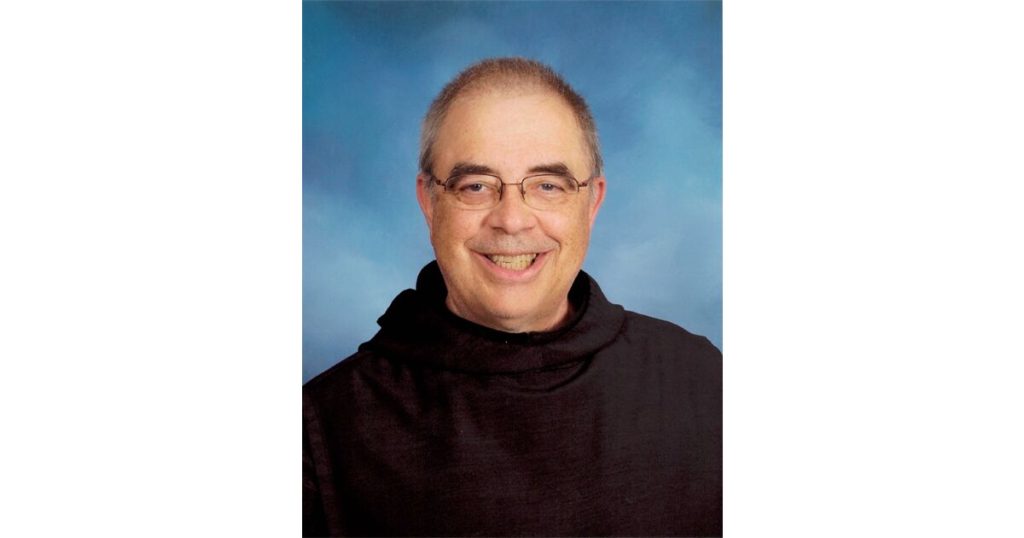
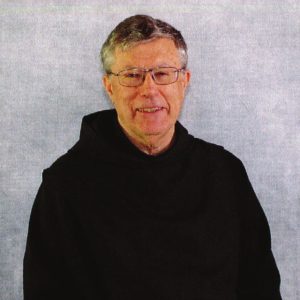
Father Albert Bruecken St. Gregory’s Catholic Church
My life is lived on two calendars, a religious one and a secular one. The secular New Year begins this Friday, January 1, 2021 CE and ends with December 31. When I was growing up, the year was called 2021 AD (Anno Domini, in the year of the Lord), but now in the interest of religious diversity, the term CE (Common Era) is used. Might this be a sign that Christian influence is waning in our civilization? In any case, we are looking forward to a New Year, hoping that it is better than the one we just had.
The religious calendar has the New Year starting with the First Sunday in Advent, which happened to be November 29th this year. Advent is the four Sundays before Christmas plus whatever days it takes to get to December 25 (a date that first appeared in 336 AD). This year it fell on Friday.
The Advent season emphasizes waiting and the coming of the Lord 1) in history over 2000 years ago and 2) in the future in majesty at the end of the world. The current period between the birth of Christ and his second coming is characterized by the presence the Holy Spirit who acts through physical signs, the most prominent of which we call sacraments. The new religious year is Year B, during which the Gospel of Mark is emphasized in the Sunday readings, with a few additions from the Gospel of John to augment Mark since it is by far the shortest gospel. There is a cycle of three years: A (Gospel of Matthew), B (Gospel of Mark), and C (Gospel of Luke), which then repeats, allowing us to meditate on the life of Christ each year.
The secular calendar ends its year with a week of remembering the old year, revelry the night before, and festivities on January 1 of the New Year (e.g. bowl games).
The Catholic Church has a feast day celebration to compete with the secular or pagan celebrations on January 1. Nowadays it is “The Solemnity of Mary, the Mother of God” on January 1. That title is connected to Christmas, since the child whom Mary bore is considered to be both Divine and human: Divine by the Holy Spirit and human by Mary. The Greek title, theotokos, means “God Bearer.”
It was controversial in the fourth century, as indicated by the following account by St. Gregory of Nyssa: “You go to a money changer and ask him the exchange rate. He replies with a dissertation about whether JC was created from nothing, or whether He existed from all eternity.
You go to a baker’s shop, and there you are told that God the Father is greater than God the Son, because the Son didn’t begin until He was born of Mary. At the hot baths you ask if your bath is ready: You are told that the Son of God came from nothingness. You go to have a shave at the barber’s shop, and the barber asks you if you think JC was God, or man.” Such a frenzy might have rivaled or surpassed the one created when the Chiefs went to the Super Bowl last year!
It only illustrates what it must have been like to belong to a culture where Christianity was the dominant religion, and people made an effort to understand the incarnation, the name we give to the belief that our God became man, the “Word became flesh and dwelt among us.”
In any case, we are still pondering the meaning of the incarnation eighteen centuries later, and will continue.