Offenders work dirt to give back

Doug Butcher
MARYVILLE, Mo. — Located just inside the eastern city limits of Maryville rests a garden in what some may consider an unlikely place. In what once was a Catholic girls school, a group of men plant seeds, pull weeds and harvest produce while serving time at Maryville Treatment Center.
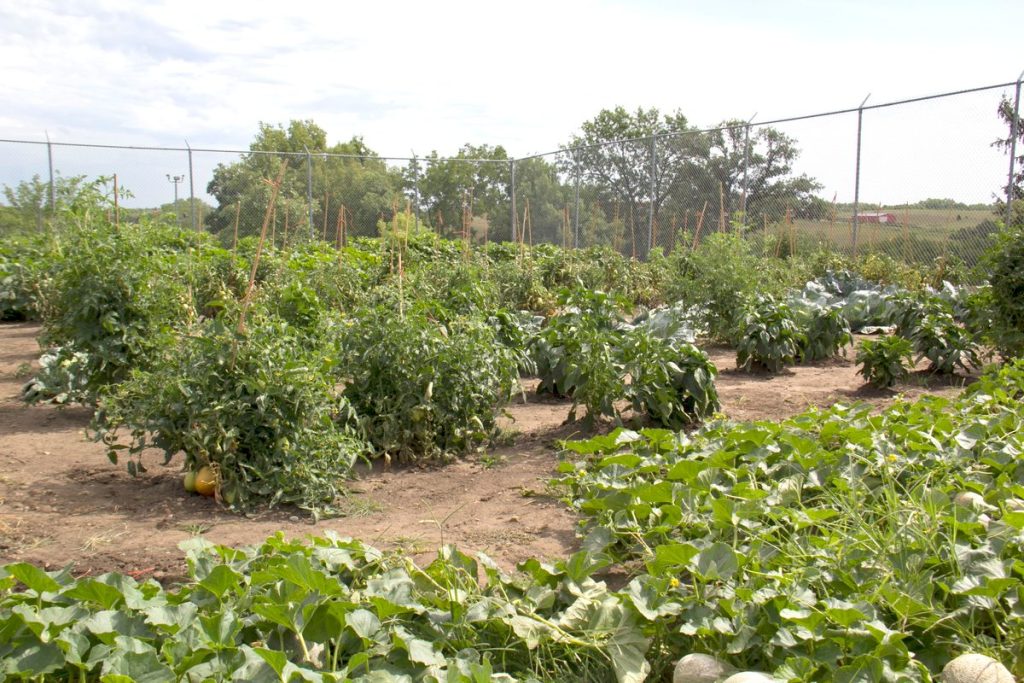
The 4,000-square-foot garden hosts a number of plants including tomatoes, okra, onions, squash and many other fruits and vegetables.
Throughout the planting season, offenders housed at the treatment center volunteer in the garden where they benefit in several ways according to Doug Butcher, a correctional case manager at the facility.
“They get a chance to get out of their daily routine and start building,” Butcher said. “It gives them something to strive for. It keeps them busy. It keeps them on track and it really teaches them a skill.”
The garden is one of many that can be found in facilities throughout the Missouri Department of Corrections. Like many of these patches of land, the garden has been a part of the Maryville Treatment Center since the 2000s, but fell to the wayside until being brought back last year. Since its reinstatement, Butcher says he’s seen the garden bring together men from a variety of backgrounds.
“On several occasions I’ve had offenders from more urban areas come to the treatment center up here who have had no gardening experience,” Butcher explained. “They’ll come here, and they’ll meet someone from a whole different background, and they’ll learn from each other. In the garden they learn skills they can use for their whole life.”
As part of the facility’s Restorative Justice Program, the garden not only benefits the offenders who maintain it but the community as well. Throughout the year, Butcher gathers produce from the garden to donate to The Ministry Center and the Children and Family Center of Northwest Missouri.
“It all gives back to the community, to give them a sense of something to strive for,” Butcher said. “They’re in here, and they can actually do something to benefit children and families outside of the institution.”
Butcher says some of the families have written letters to the treatment center to thank the men for the food.
“Usually it’s from children, the ones who really get them, because a lot of them don’t get to see their families,” Butcher said. “So when they get a chance to get something from a child that says, ‘Hey, thank you for the tomato,’ or ‘Thank you for the cantaloupe,’ they get really emotional.”
Butcher explains that it’s moments like this when he sees a change in the offenders.
“That peak of emotion, that is when you get the most change out of an offender, because that’s when they think, ‘You know what, I can do this.’”
The men not only put in the manual labor to keep the garden growing, but purchase supplies through an account funded by offenders, according to Brenda Alley, a functional unit manager at Maryville Treatment Center.
“It’s all offender money, so they purchase items through the canteen, and it’s tracked and specifically goes to the Restorative Justice fund,” Alley explained. “There’s no tax-payer dollars (used); it’s all offender driven funds.”
With 20 to 30 men working the garden along with some picking apple trees near the treatment center, Maryville Treatment Center has gathered more than 500 pounds of food for nonprofits like The Ministry Center and Children and Family Center this year alone. Butcher says last year they were able to produce 4,000 pounds of food.
The Restorative Justice Program offers offenders a variety of volunteer opportunities during their time at Maryville Treatment Center, from training dogs for the Puppies for Parole program to hand-knitting baby caps for infants.
“This is a way for them to say, ‘Hey, I’m trying to help the community and reintegrate back into society in a positive light,’ Butcher explained.
Alley says that the program is always looking for new ways to serve the community and get offenders involved.
“If a local, nonprofit organization believes that we can be of assistance somehow, they can contact the institution, and we can put them through to the right people to talk about it,” she said.
JESSIKA EIDSON/THE FORUM
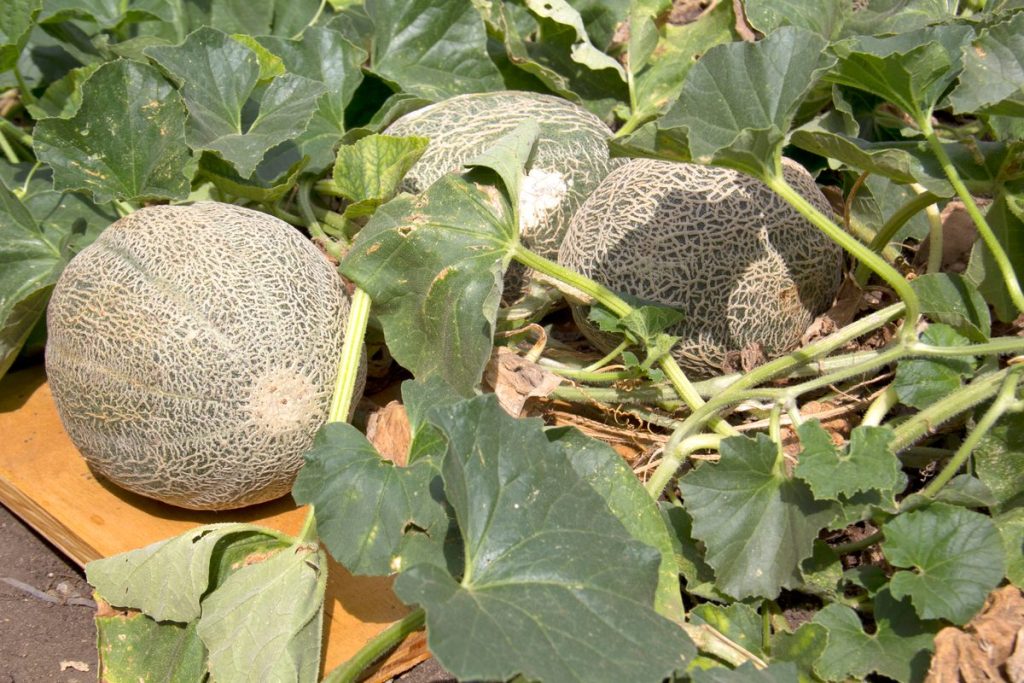
Cantaloupe grows inside the Maryville Treatment Center garden area. The garden acts as part of the facilities Restorative Justice Program for offenders.
JESSIKA EIDSON/THE FORUM
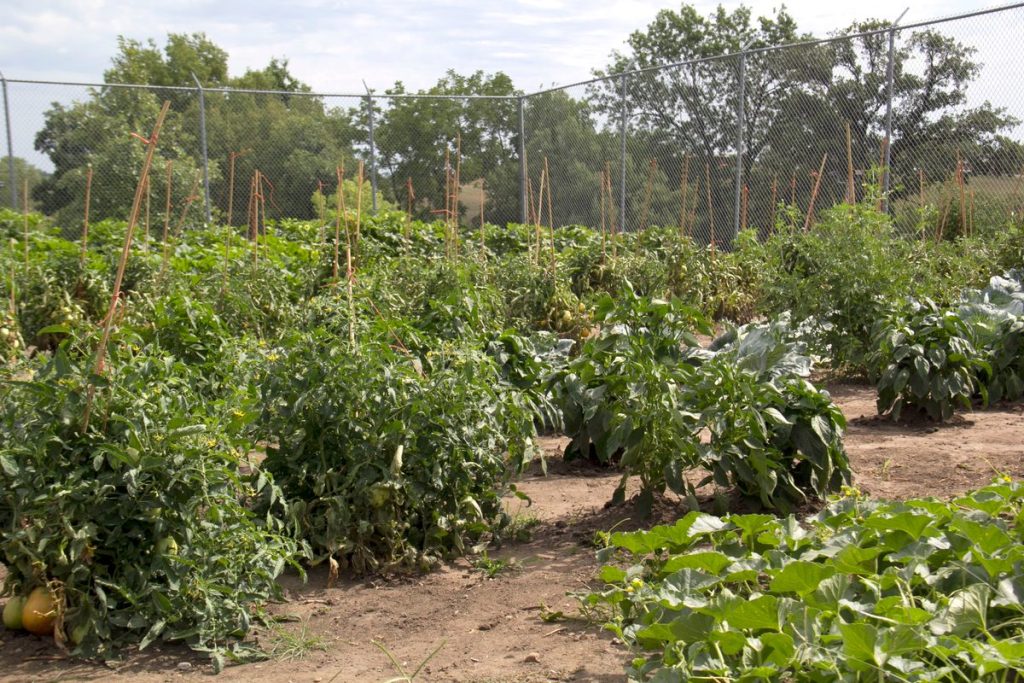
A garden, planted and maintained by offenders inside the Maryville Treatment Center, grows a variety of fruits and vegetables. The produce is donated to local charities and ministries.
JESSIKA EIDSON/THE FORUM
A garden, planted and maintained by offenders inside the Maryville Treatment Center, grows a variety of fruits and vegetables. The produce is donated to local charities and ministries.
JESSIKA EIDSON/THE FORUM
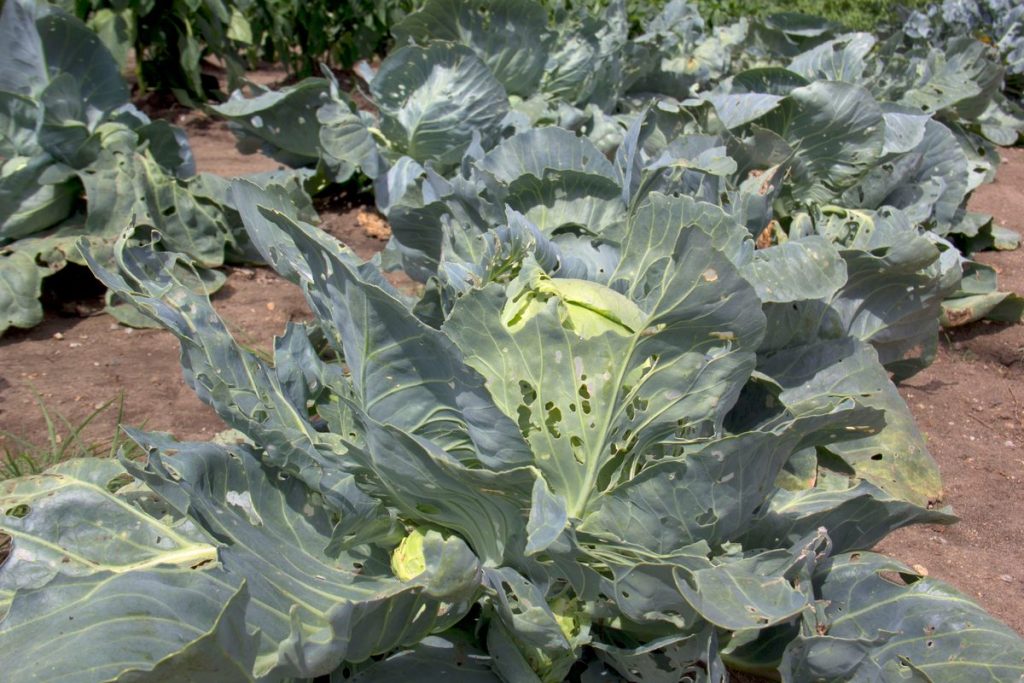
Cabbage grows in a 4,000-square-foot garden area of Maryville Treatment Center. The garden produces a variety of vegetables throughout the growing season including onions, squash and cucumbers.
JESSIKA EIDSON/THE FORUM
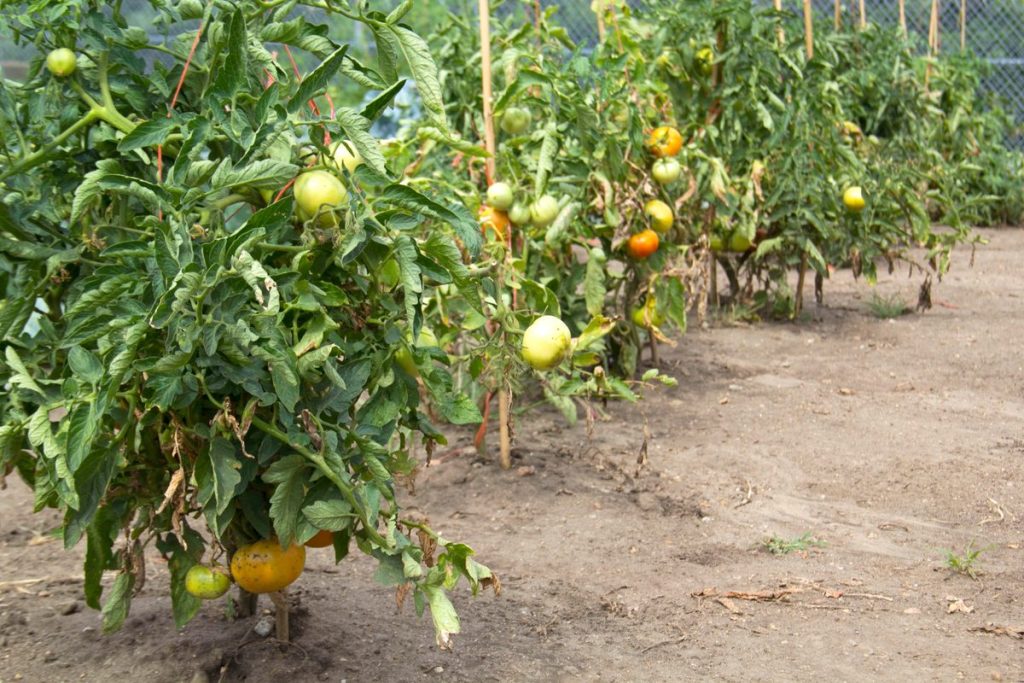
Tomato plants at the Maryville Treatment Center garden produce fruit despite the dry weather affecting Nodaway County. The plants were purchased through an account paid for by offenders purchasing items from the canteen.
JESSIKA EIDSON/THE FORUM
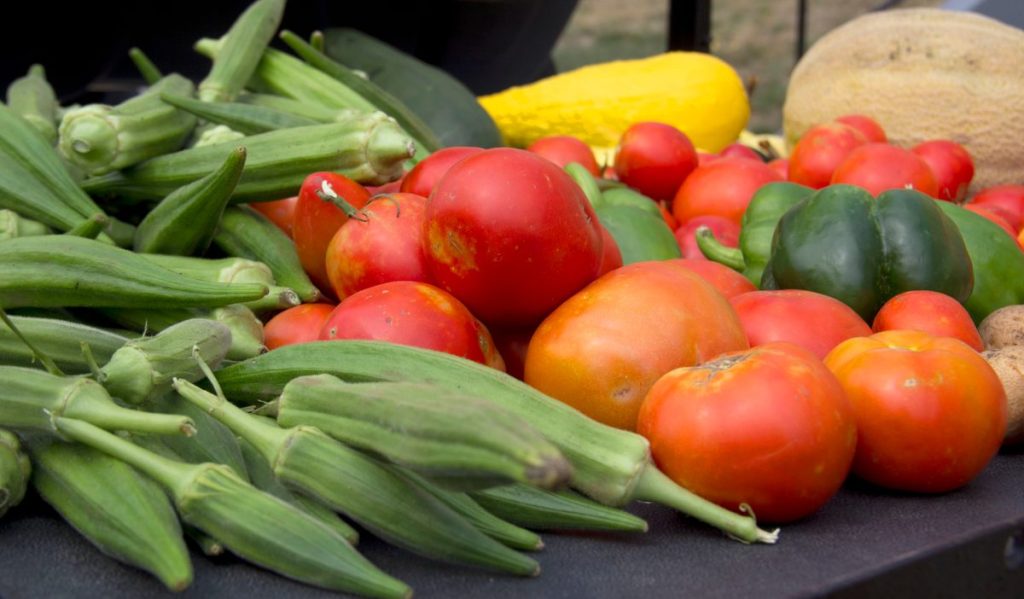
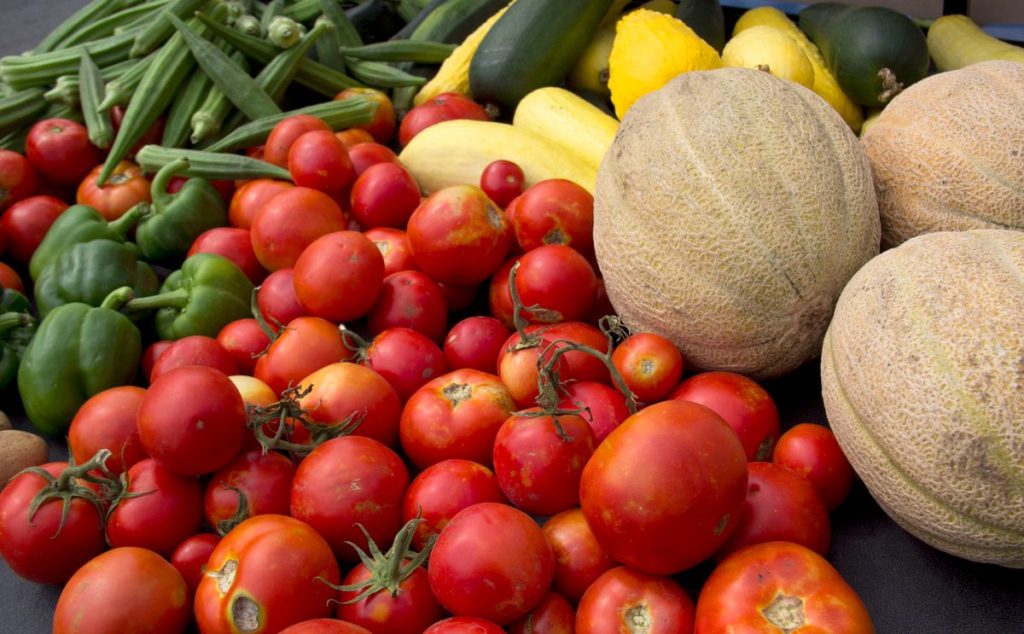
Okra, tomatoes, squash, cucumbers and peppers are harvested from the garden area of Maryville Treatment Center. The produce, which is grown by offenders residing in the facility, is donated to local charities like The Ministry Center and the Children and Family Center of Northwest Missouri.
JESSIKA EIDSON/THE FORUM
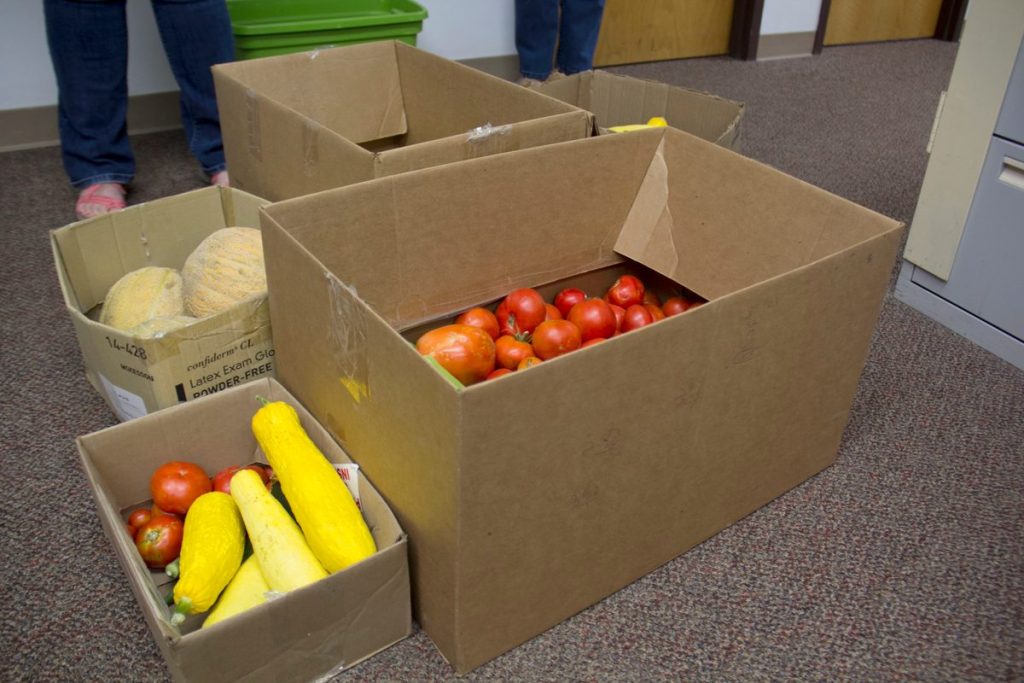
Okra, tomatoes, squash, cucumbers and peppers are harvested from the garden area of Maryville Treatment Center. The produce, which is grown by offenders residing in the facility, is donated to local charities like The Ministry Center and the Children and Family Center of Northwest Missouri.
JESSIKA EIDSON/THE FORUM
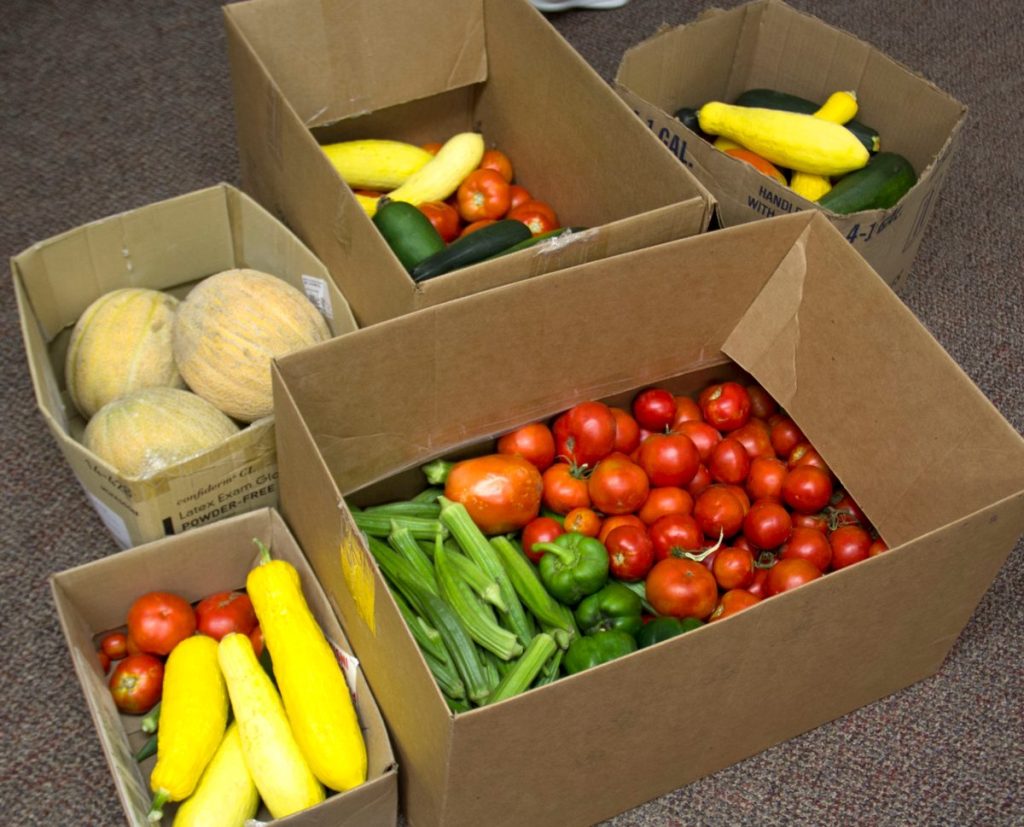
The Maryville Treatment Center gathers 133 pounds of fresh produce to donate to The Ministry Center on Wednesday, July 25. The produce was grown in the facility’s garden as part of the Restorative Justice Program.
JESSIKA EIDSON/THE FORUM
The Maryville Treatment Center gathers 133 pounds of fresh produce to donate to The Ministry Center on Wednesday, July 25. The produce was grown in the facility’s garden as part of the Restorative Justice Program.
SUBMITTED PHOTO
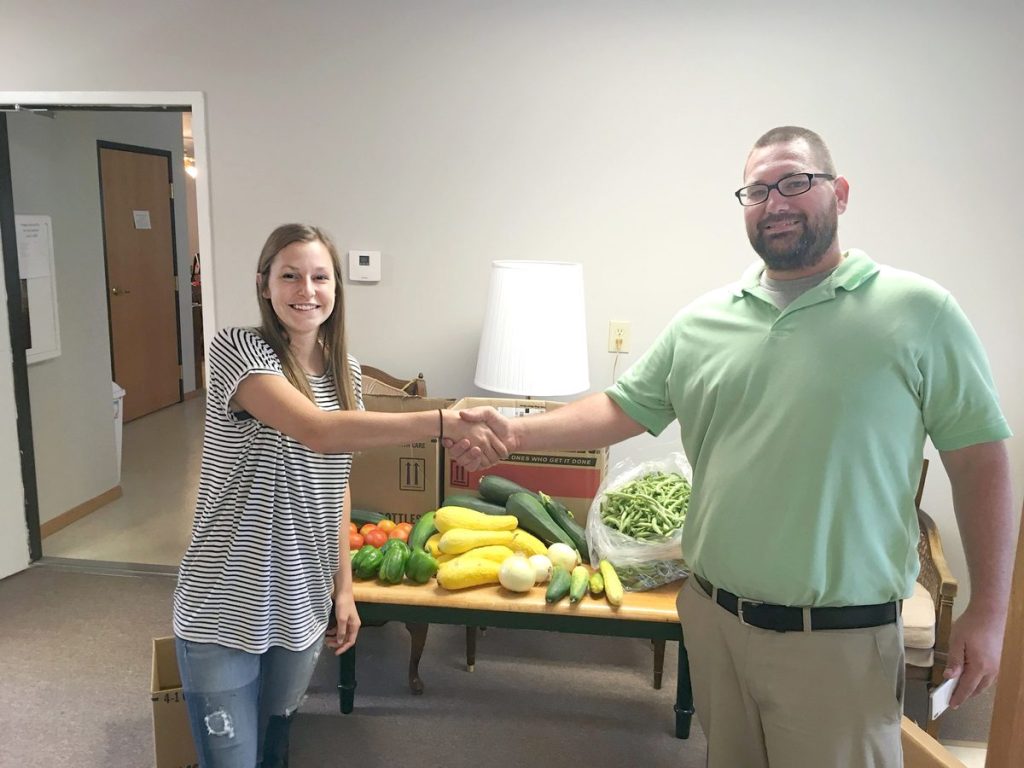
Doug Butcher of Maryville Treatment Center recently met with Stacy Allen of the Children and Family Center of Northwest Missouri to donate vegetables from MTC’s garden. The garden gives offenders at the Maryville Treatment Center the opportunity to give back to the community, including to victims of crimes.