MDC encourages public comments on monarch plan
EDWARD K. BOGGESS
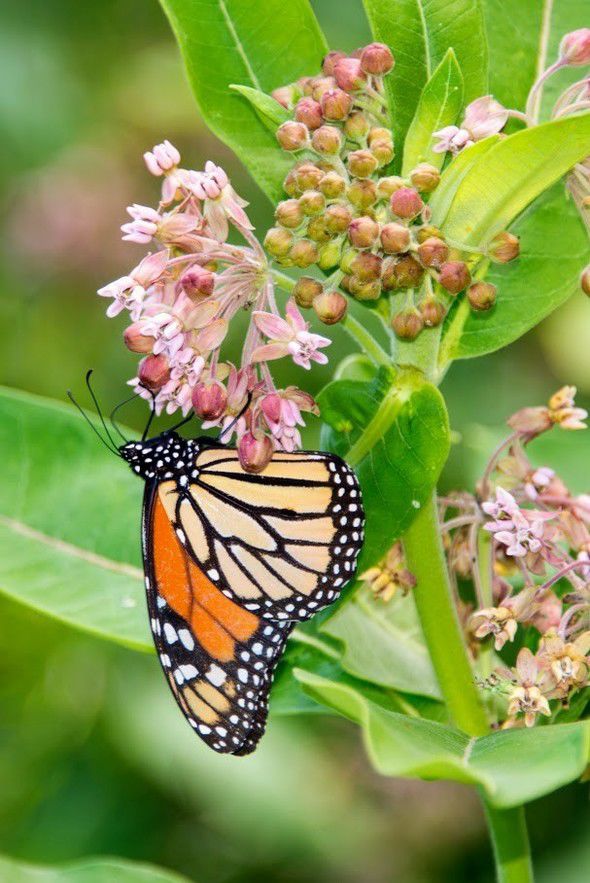
Monarch caterpillars and butterflies rely on milkweed and other nectar plants. Learn more about monarchs from MDC’s online Field Guide at https://bit.ly/2pxcS5T.
JEFFERSON CITY, Mo. — The Missouri Department of Conservation is encouraging Missourians to share their comments on a conservation plan of the Midwest Association of Fish and Wildlife Agencies to help save monarch butterflies.
MAFWA, MDC is a member, and a news release states that it welcomes public comments on its draft “Mid-America Monarch Conservation Strategy” through May 31. For more information, a copy of the draft conservation plan, and how to submit comments, visit the MAFWA website at https://bit.ly/2IC6weV.
According to MAFWA, eastern monarch numbers have declined by more than 80 percent over the past 20 years. This decline is primarily due to habitat loss, including reduced numbers of milkweed plants that monarch caterpillars feed on, and fewer nectar plants that migrating monarchs feed from, an MDC news release says. State wildlife agencies, including MDC, and partners are planting milkweed to create more monarch habitat, but more work is needed.
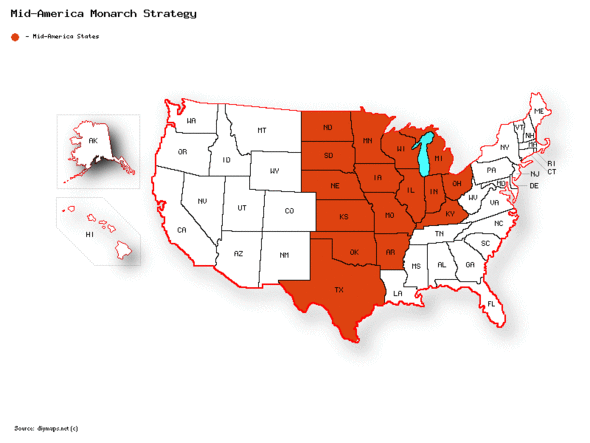
The draft plan builds on these and other existing efforts of state, federal and local agencies, along with private organizations and individuals. According to the release, it covers a 16-state region stretching from Texas to the Upper Midwest that encompasses the primary production and migratory habitat areas for eastern monarchs — including Missouri.
The draft plan identifies conservation goals and strategies for improving monarch habitat on natural areas, agricultural lands, urban lands, and other areas. The plan focuses on habitat restoration and enhancement, but also includes education and outreach, research, and monitoring needs related to monarch conservation.
“In addition to their beauty, monarch butterflies are an important native species when it comes to much of the food we eat,” said MDC Private Land Services Division Chief Bill White. “One out of every three mouthfuls of food and drink we consume depends upon pollinators such as butterflies, bees and other species.”
He added that the Mid-America Monarch Conservation Strategy is the first phase of a long-term strategy to help save these important pollinators.
“Our efforts in Missouri are an important part of the plan and we hope every Missourian takes action to help us save monarchs and other pollinators,” White said.
For more about monarchs
Monarch butterflies produce multiple generations each year and undertake a lengthy fall migration from the U.S. and southern Canada to the forested mountains of central Mexico where they overwinter. Learn more about monarchs from MDC’s online Field Guide at https://bit.ly/2pxcS5T. Get information on building backyard habitat for monarch butterflies at https://bit.ly/2bfilCK.
MIDWEST ASSOCIATION OF FISH AND WILDLIFE AGENCIES
The Mid-America Monarch Conservation Strategy covers a 16-state region stretching from Texas to the Upper Midwest that encompasses the primary production and migratory habitat areas for eastern monarchs – including Missouri.