
There’s enough Midwest for all
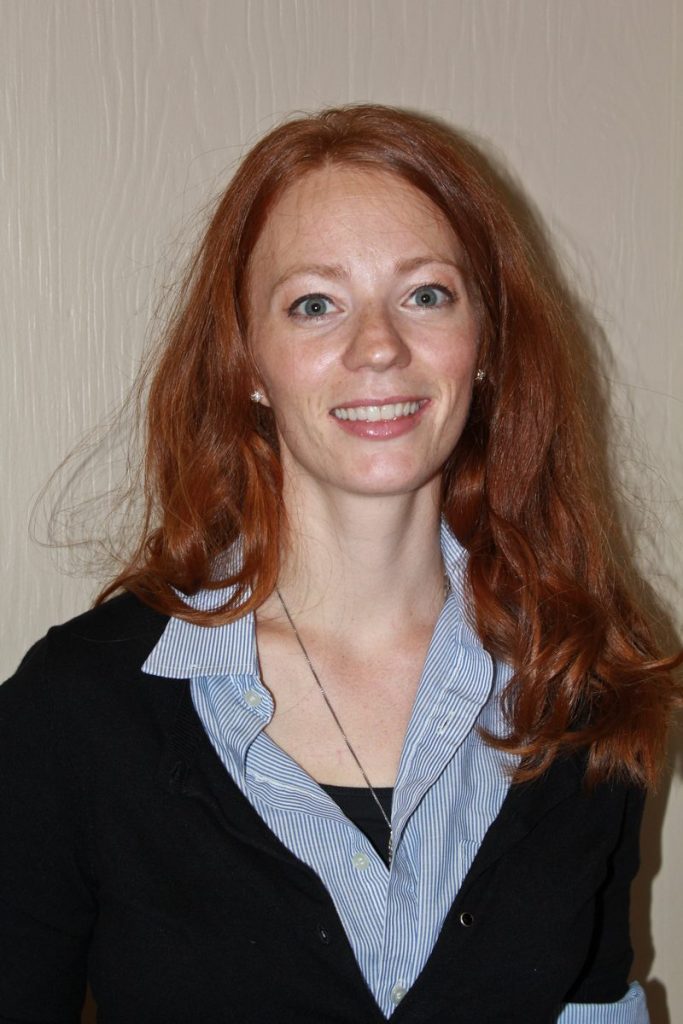
Jennifer Ditlevson Haglund
In the mid-1990s, I knew of the coming turn of the century and all the anxiety about what the new millennium would bring. As part of a Christian circle, I knew all about the spooky apocalyptic Left Behind series even if I never cared to read the books.
As the end of the decade drew nearer, as ludicrous as it seemed to me, I still occasionally feared being left among the unfortunate while all the redeemed joined God in paradise. Now that I’m back in the same town coming from the most populous city in the country, those irrational fears of not making the cut have returned. In the middle of the day, I can walk down my street and not see anyone, even though the little brick house is next to a church and university campus. It might take five minutes to see a car, and it’s been making me nervous.
There’s no neighbor sitting on his front lawn in an old chair reading his Ajit Weekly, and no strong scent of spiced food cooking or street trash rotting — just dry pine needles and prematurely fallen walnuts blowing and rolling down the empty street in front of my home.
When I do see people, those who might have been left behind, too, I find one arresting similarity. They’re usually white, like me.
I grew up in this small Midwestern town, so it shouldn’t surprise me that 95 percent of its residents are white. My family befriended families and students at the university and seminary from other countries, but it never occurred to me to ask myself or my parents what life would be like for that 5 percent of the town living as “the Muslim family,” or “the” anything other than I was.
Walking around now, I wonder how it feels to know you stand out in a town where people fly the Confederate flag hundreds of miles north of the Mason-Dixon line, where these people can’t even make the poor excuse of cultural and regional heritage.
Isolated from those experiences and perspectives, I didn’t grow up understanding that although much could put me at a disadvantage or on the outside of social circles, it would never be my skin color or religion. Across the United States in more culturally and racially diverse neighborhoods like the one I just left behind, I still would be part of the overall majority and look like many of the people in charge of major media outlets, government, and financial institutions. Despite my struggles with self-image, I would also fit into the mold of what the fashion world has portrayed as a desirable color and shape of woman.
I can’t change those things about myself, and it does no good to feel guilty about that. Awareness of my place, however, should alter and slow my responses to people who aren’t coming into the conversation from the same experience.
When my daughter and I were sick of unpacking and the gray weather last week, we put on our rain jackets and walked down our deserted street in the late afternoon. The first person I saw was walking with her son, who started chatting with us. They were out running errands, and what began as a simple walk for me turned into a lesson about how people must have been feeling in my hometown for years, long before I moved there as a kindergartener.
As we talked, the woman shared with me how her son came home from school not long before saying he wished he had blond hair and blue eyes and was sick of his brown skin. His parents were devastated and assured him that he was beautiful, even if he didn’t look like anyone else in class. Neither she nor her husband has a group of people anywhere nearby who look like them or speak the same first language. Even if they are treated well by members of their faith community and workplaces, their race and political opinions will be considered a kind of ethnic flavor, and their son will be the only one in his class with his hair type and skin color.
That doesn’t seem like a big deal, but if his parents stay here, it’s likely he’ll grow up wondering where he belongs and if anyone will see him for who he is, and not have to look past his skin color to tell him that they “don’t think of him as a black kid,” or something else insensitive and dismissive of his identity and experience.
If they leave, the town will have lost great members of its society, and unfortunately, may not realize why until it’s too late to change.
The Midwest prides itself on openness, warmth, and amity. That peaceful quiet and slower pace of its rural and smaller communities should be extended to everyone who wants them, but these places have been populated and maintained by whites for long enough that there’s a self-reinforcing — and perhaps, often unintended and inherited — cycle of partiality to many of its closed circles. I’d like to have more hope for the future of small-town America, and I pray that people will start looking around them and asking how we can more accurately live out the claims of generosity and love for all our neighbors.
Jennifer Ditlevson Haglund is a former news reporter for the Maryville Daily Forum, now living and writing in Ohio.



