
Honest talk with elders colors history
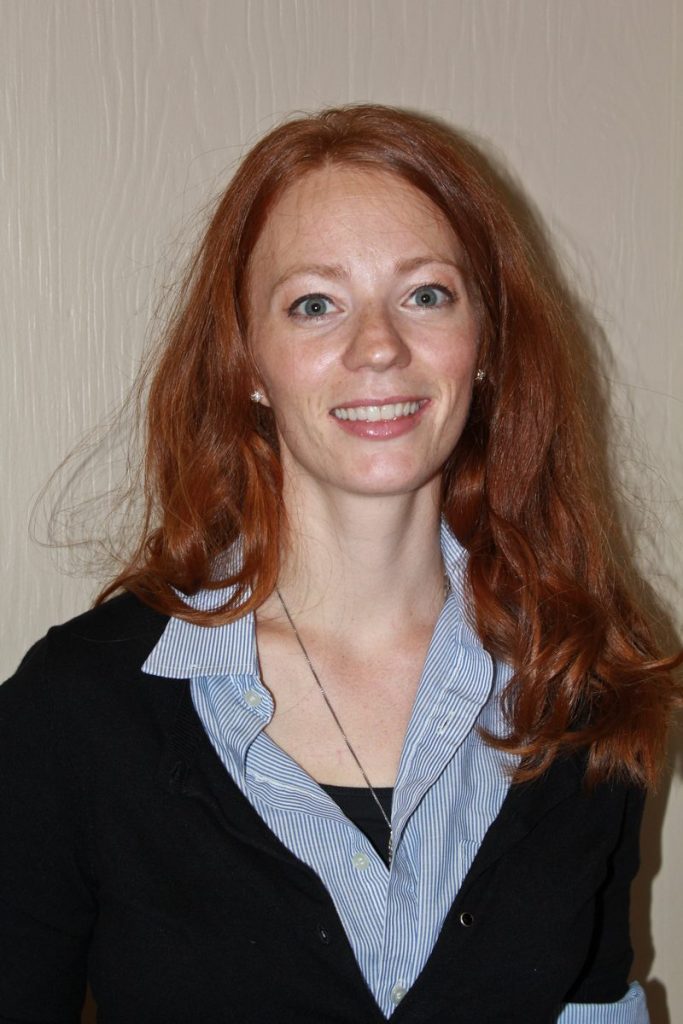
Jennifer Ditlevson Haglund
Both of us were on our knees, polishing the buffet with cut-up squares of John’s long underwear again. I’d been emoting about my boyfriend dumping me for the last 20 minutes, and when I finally paused long enough for her to respond, Ruth told me about the “young man” for whom she almost left her family farm and moved to California.
The sweet little lady I called “grandma” had considered eloping with a dashing stranger passing through town. She didn’t know why she hesitated but was glad she missed the opportunity because the man found another gullible girl to accompany him, then dumped her out on the West coast, far away from her family back in Ohio, after he’d had his fun.
Not long after she’d been propositioned, she met John, the man she married and lived beside for 61 years.
She was trying to tell me that I was lucky and there were better days ahead for me, but I focused on how it was the first time I’d ever seen her as a woman and not merely an old lady who made the best applesauce.
A few years later when I visited her for lunch in an assisted living facility, one of her friends complimented my outfit and warned me that I better get comfortable with my body and start liking it. She told me that she’d spent all her young years hating her body, and then she woke up one day old. Her lover was dead, and she’d never felt good enough about herself to enjoy her relationship the way she would have liked.
Annoyed by the woman’s candor, Ruth tugged on my sleeve, motioning for us to leave the dining hall and head toward the elevator to return to her room. But she agreed with her friend’s advice.
“She’s right,” she said.
The widows around the table all nodded.
When I look at stiff, early photographs of my Danish relatives in their dark dress, I think of them as cold people, like wax dolls come to life only to say proper words sparingly over perfectly cooked farm dinners. No matter how much history I’ve read, it’s hard to imagine warmth, pain, jokes, hopes, or fears related to the people in these glass negatives I keep wrapped in my closet.
I know better. When cleaning my father’s keepsakes, I found a letter from his father to his mother in which my grandfather explains his opinions about “necking” before marriage — he was a young minister serious about his purity and reputation. It must have been my grandmother who brought it up. My maternal grandmother has bragged to me about how good she looked in hot pants and halter tops, I witnessed my mother complete multiple successful belly rolls when I was 16, and I read the letter from my grandfather to my dad regarding his concern for my father’s immodest choice of wearing tight corduroy pants at college.
These things shocked me, but after I squirmed, I laughed. History, despite what old photographs or the lack of them might communicate, was lived as colorfully and fully as it is today. This should go without mentioning, but I’ve found that people believe otherwise, that their parents and great-grandparents were static and stupider characters. They were unrelatable, almost subhuman.
I like getting people to share their stories. Without them, the colors of their lives fade. All my life, I’ve heard that we need to learn about history so that we can learn from it and attempt to avoid making the same mistakes as if that were the goal. Listening to stories told by people who might be wrinkled and slow bonds us to each other, as our experiences transcend the lines of age and teach us about what it is to be human.
Jennifer Ditlevson Haglund is a former news reporter for the Maryville Daily Forum, now living and writing in New York City.



