
Making history while they slept
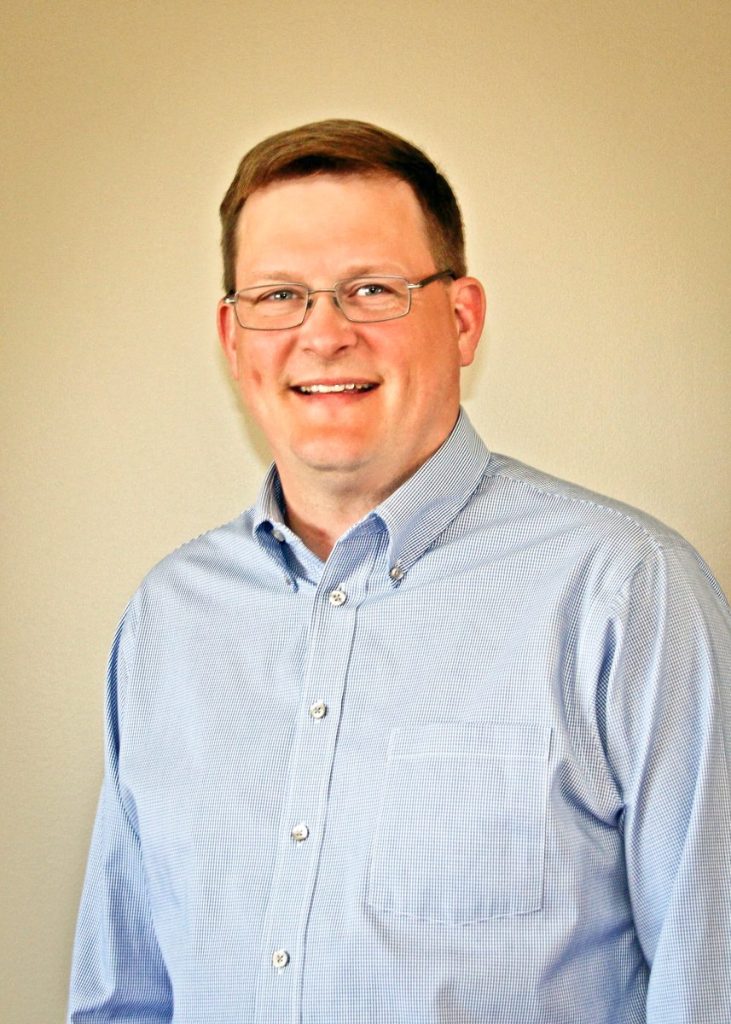
Andrew McCrea
Atomic weapons were used to bring an end to World War II, but at the conflicts end, the scientists who helped develop the first nuclear bombs had other goals still ahead of them. Roughly half decided to pursue peaceful applications of atomic research.
I drove about an hour west of Idaho Falls where I met Don Miley at a place called EBR-1. “The newly formed Atomic Energy Commission didn’t want to keep tabs on people all across the nation,” says Don. Don works for the place the U.S. government established for those scientists – Idaho National Laboratory.
Experimental Breeder Reactor Number 1 (EBR-1) was the first reactor in the world to produce electricity. The power was initially used to simply light the building housing the reactor, but world events gave rise to a bigger mission.
In August of 1955 one of the first Atoms for Peace conferences was held in Geneva, Switzerland. “Leading up to it, the Soviet Union claimed that everything nuclear in the United States was about weapons,” says Don. To prove them wrong, the scientists at the national laboratory set about producing nuclear generated electricity for public consumption
Don says, “The first time they tried, they were out of phase with the utility power feed and they ‘fried’ seven miles of power lines – dropped them to the ground!” But soon after, on the night of July 17, 1955, the latest reactor, BORAX 3, produced electricity for Arco, Idaho.
Interestingly, the town was never made aware they were suddenly being electrified thanks to nuclear power from the nearby test reactor. “They didn’t tell anybody they were doing it,” says Don. “Only the editor of the Arco newspaper knew, but he agreed he would not say anything.” The residents of Arco, Idaho had just made world history in their sleep, but no one knew it.
The secrecy allowed the U.S. to make a big announcement at that Atoms for Peace conference in Geneva. Don says, “It allowed the U.S. representatives to stand up and proudly proclaim, ‘The United States has lit an entire city with one nuclear reactor.’” Of course, no one at the conference realized the “city” was tiny Arco, Idaho – population 995.
Don laughs and says, “Then they found out how big Arco is, and it wasn’t that big of a deal. But for the U.S. it is. Arco still celebrates Atomic Days every summer.” The Idaho National Laboratory remains the nation’s leading site for nuclear energy research and works on other energy solutions such as agricultural biomass.
The first reactor to produce energy (EBR-1) is open to the public for free tours in the summer. You can also stop in nearby Arco which still has signs proudly proclaiming it to be the first place in the nation powered by nuclear energy – although no one in town knew it when it happened.
Andrew McCrea travels the countryside as host of the radio and TV feature, “American Countryside.” Follow his travels at AmericanCountryside.com and by following the show on Facebook. Reprinted with permission from Farm Journal.



