
Helping your communities by staying or returning
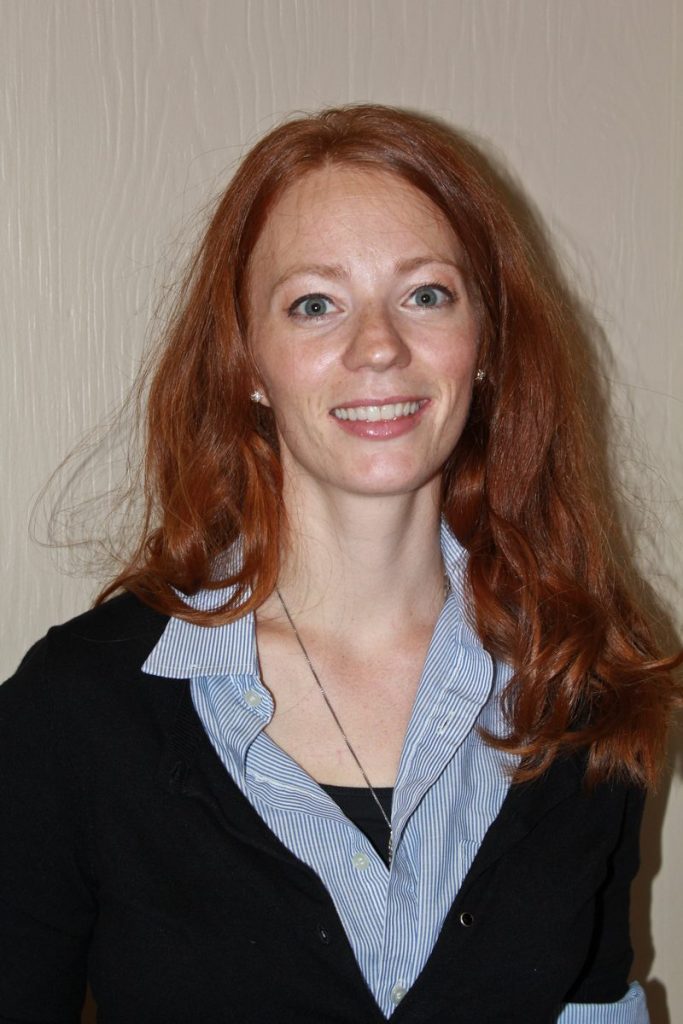
Jennifer Ditlevson Haglund
With my red hair, I frequently was compared to the Little Mermaid, but Belle and I had a lot more in common — the quirky father, the obsession with literature, and a steady annoyance with the predictability and limitations of village existence.
She literally sang the song of my heart.
In Disney’s 1991 animated classic “Beauty and the Beast,” Belle raises her arms dramatically, twirling in the French countryside, and belts, that “there must be something more than this provincial life.”
Of course, this was before she was imprisoned in an enchanted castle by a cursed prince-turned-beast and developed Stockholm syndrome. Had she known that was not long ahead of her, she might have been all right with checking out the same books at the library and being the oddball of the hamlet for a little longer.
Before I finished junior high, I decided my hometown was too small and too boring for me. I dreamed of attending a boarding school in a big city away from my parents so I could leave everything familiar to me to find my destiny.
My family could have never sent me to one, so I didn’t escape to greener pasture for high school, or for college, either. It embarrassed me to feel stuck in a town so small that only the water tower was there to assure you that you were “someplace special,” in case you ever forgot. Most of my friends got to explore cities I’d only seen in movies or heard about from older, more experienced people. I felt like a failure when my first job after college was only a 17-minute drive away from home.
Anyone who was anyone knew that you should get out as soon as you could, even if that meant moving an hour to Cleveland or Columbus. Even Wooster, a town with only 6,000 more people a county to the east, was a better option. Anywhere but Ashland, Ohio, would do. The last thing you wanted was to be dubbed a “townie.”
That meant admitting defeat, not that you couldn’t afford college somewhere else or that God forbid, you might have chosen to stay because it suited you.
The thought of returning to the same town where I learned to drive and experienced my first heartbreak often still sounds like divine punishment, or a joke at best. I would wrestle with settling there with my family, because all my life I’ve believed that you have to keep moving to keep learning. I fear stagnation enough that it might blind me to some of the benefits of staying close to your roots, both those personal and those that create a broader economic impact.
I’m thankful I’ve had the opportunity to grow in communities across the United States, and none that looked quite like the place I called home. As a journalist, however, I’ve understood the value of knowing a town’s big names, assets, and demons. Newbies can learn a lot quickly from reading archives at the library or historical societies and listening to older citizens, but there’s nothing like knowing a community’s story from the inside.
The same lame hometowns where teenagers like I was wanted to flee need skilled, caring people to keep them going. They need the “townies” who have never left and have experienced the downsides of cultural isolation and economic instability but who have family or friends there that they never want to leave for longer than a week or two. Lifers have those ties and perspective I lack to identify places for improvement.
Talent developed outside and brought back also boosts a city’s prospect of survival and vitality, because some places will only find answers to their problems from a fresh viewpoint brought from another county, school system, or other local government.
I know not everyone can return to where they were raised and thrive. Even with virtual offices, it doesn’t work because some lifestyles and jobs are bound by location. But there’s no shame in going home if you can make a living and maybe even give something back, too.
Jennifer Ditlevson Haglund is a former news reporter for the Maryville Daily Forum, now living and writing in New York City.



