
‘You will be found’
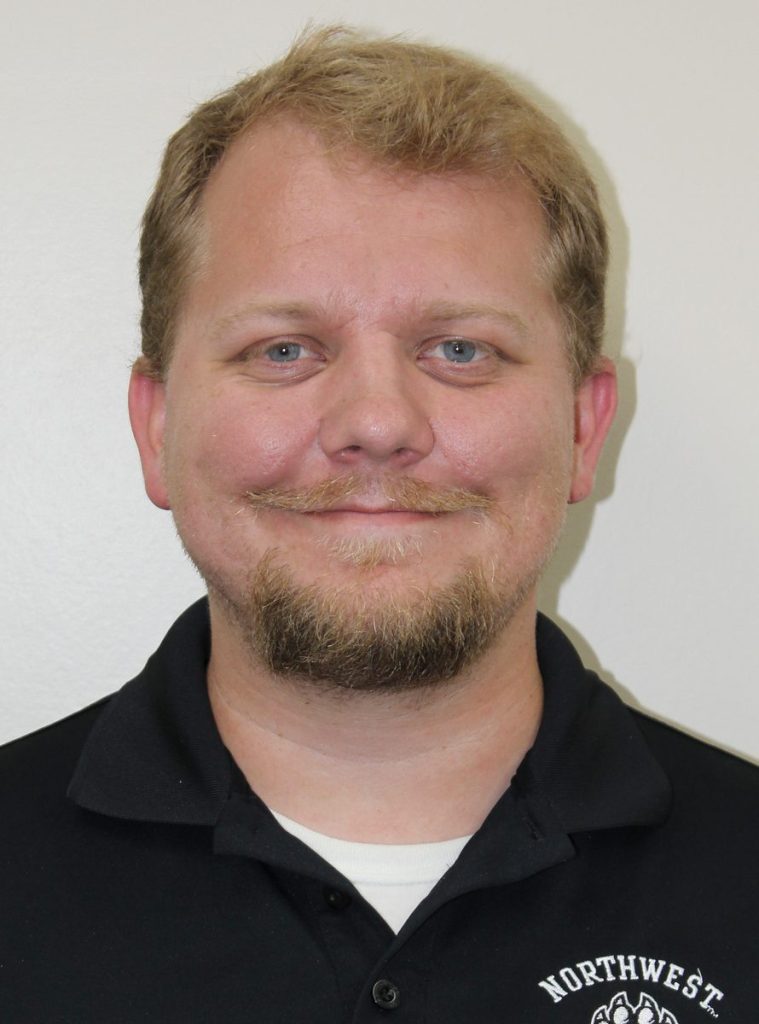
Tom Pinney
The biggest problem people with mental illnesses have is that we feel alone.
Yes, the voices that tell us that things are terrible when they are great, the voices that tell us we should be worried about nothing at all, the wild mood swings of bipolar disorder, they’re all pretty bad. But the worst of it is that we feel so isolated.
No matter how full a room is, it might as well be empty. With everyone around us willing to listen, we can’t talk because we don’t accept that they are listening, because there’s another voice that reminds us that we’re imposing on them.
That they don’t actually want to listen. That they are better off without us.
Life with a mental illness is its own special brand of hell because of what those illnesses whisper to us when we’re alone. That no one cares. That no one actually supports us.
That everyone is making jokes about us behind our backs.
No matter how true or false that statement is, it’s always there, and it’s not too hard to forget that we do actually have support systems in our lives.
Here’s the breakdown. As a man, I am told that men shouldn’t have feelings, and that having depression makes me less of a man.
As an American, I am thrust into a culture where we ridicule mental illness until it takes someone famous via suicide, and even then half of the world calls that individual selfish for ending their life. My healthcare – therapy – isn’t covered by my insurance, and even worse, it’s stigmatized; after all, only crazy people go to therapy.
Admitting I need help is weak. I’m less of a man.
As a Christian, I have no models of people that overcame mental illnesses to become one of God’s chosen ones. The closest I get to anything is that Moses was scared of speaking in public, so his brother Aaron did most of his talking.
Except he was embarrassed about it and thought he wouldn’t have an impact because he had a stutter. You can hear a stutter. You can’t comprehend mental illness unless it’s part of your life.
We don’t have role models to look up to and realize that it gets better. We have Robin Williams, and mental illness killed him.
That’s why I took so hard to Dear Evan Hansen, and it’s why, when that musical won the Tony Award for Best Musical Sunday night, I wept with joy. Because a section of the world understands and accepts, very publicly, that there needs to be a better conversation about mental illness, and it needs to come up in a context not related to a mass shooting.
A brief synopsis: Dear Evan Hansen follows the story of Evan Hansen, who has severe social anxiety and depression, as he tries to memorialize a classmate who committed suicide.
The story starts when Connor Murphy intercepts a letter Evan Hansen wrote to himself as part of his therapy and takes offense to its contents (it mentions Connor’s sister, who Evan likes). Connor is later found dead with Evan’s letter in his pocket, and Connor’s parents mistake it as a suicide note addressed to Evan.
Seemingly choiceless, Evan fabricates a story wherein he and Connor were each other’s only friend, and they were close. This comforts the Murphys in their time of mourning.
Then, after a visit by Connor’s ghost, Evan tries to come up with a way to memorialize Connor’s life because “No one deserves to be forgotten.” Evan is convinced that, by getting people to remember Connor and honor his memory, that Evan’s life will matter.
(Spoiler alert: it’s revealed that the fall that broke Evan’s arm before the events of the play was not accidental; Evan had climbed as far as he could up a tree and jumped in an attempted suicide.)
So Evan and a few classmates start “The Connor Project,” a charity organization meant to honor Connor’s memory by replanting the orchard where he and his family spent time in his youth. In a speech to his school at the opening ceremony for the organization, Evan gives an inspiring speech to let everyone know that “when you’re broken on the ground, you will be found.”
With that message – that no matter what, someone supports you – the show’s influence spread like wildfire through popular culture over the past year. Star Ben Platt and the cast did the late night show circuit with several performances leading up to Sunday night, when Platt took the Tony for best actor, Rachel Bay Jones (who plays Evan’s mother) took the Tony for best featured actress, the lyricists won Best Music, and the show won Best Musical.
And I wept like a baby.
Both Evan and Connor’s stories in the show resonate with me all too well, too close for comfort. I never carried out an attempt at my life, but I would be lying if I said there weren’t times where that seemed like a good idea.
But back then, I was alone. Not anymore.
For the first time, mental illness is in the conversation and we’re not talking about a mass shooter. We’re talking about a cast who inspired millions to realize that they were not alone in their struggles.
That, as Ben Platt tearfully put it in his acceptance speech, “The things that make you strange are the things that make you powerful.”
This is the point of becoming aware of problems in this world, including mental illness. When people realize that we exist, when people realize that what we have is real, they start to take it seriously.
And when people start to take it seriously, then we are more apt to talk about what is going on. Because you’re not scapegoating us, you’re not ridiculing us… you’re realizing that we need to start treating mental illness like we treat physical illness.
If you’re reading this and you suffer from mental illnesses, take heart. You are not alone, and you will never be alone.
“Even when the dark comes crashing through, when you need a friend to carry you, when you’re broken on the ground…
“You will be found.”
Tom Pinney is a news reporter for the Maryville Daily Forum



