
Life lessons in humility from teaching language
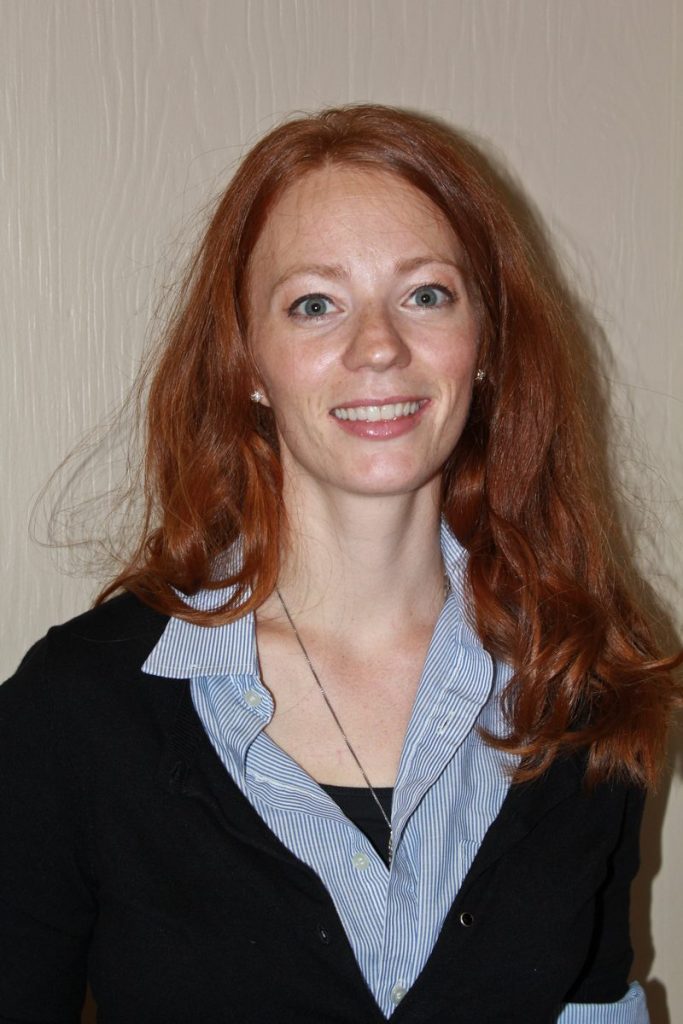
Jennifer Ditlevson Haglund
Many of my students studying English as a foreign language struggled with grammar. Most native English speakers have very little understanding about how the way their language functions reflects cultural beliefs and how explaining them is far more difficult than teaching conjugations and spelling exceptions. They might remember from grade school that it’s complex and full of rules, but they don’t know that the presence or lack of certain tenses or moods indicate how a society places itself in the world around it.
One of my brightest students was advancing through his grammar book. He’d had no problems until he reached the future perfect. We studied multiple examples and played conversational games talking about what we thought would happen after certain points in our lives.
“When I turn 30, I will have made my first million,” or “By the time I finish high school, I will have read a lot of useless stuff.”
He could copy the pattern, but the function of the tense eluded him. Frustrated, he blurted that he thought it was a prideful and stupid way of talking about something because no one knew what would be finished in the future. Using the future tense seemed audacious enough, but to assume additional actions that would happen based on an expected future floored him. His first language didn’t have an equivalent, and he counted it to their credit because at least there wasn’t an assumption to make them look so foolish when they were wrong.
My student might have been onto something. In 2012, Keith Chen, a behavioral economist, studied languages across the world, documenting languages with strong and weaker future tenses and tracked these societies’ relationships to planning. Those with weaker future tenses, such as German or Estonian, were more likely to smoke less, save more, and exercise regularly. Some scholars disputed the findings and their implications, and I wouldn’t know enough to call it off-base. So many factors contribute to how groups of people who share a language behave, and the chicken and the egg problem surfaces quickly. Was the culture already established and the language reflects it, or does the language guide the principles of a culture?
My hunch is that it’s not an exclusive situation and that we can learn a lot about ourselves from studying other languages.
Before that lesson, I hadn’t thought much about the arrogance of the tense except for in college I learned about the Spanish expression “Ojaláque,” which is used for expressing hope that a situation will happen. The Arabic root of the phrase, however, reaches deeper than a flippant desire like “I hope the Cavs make a record-breaking comeback.” It comes from a phrase invoking Allah, translating to “if God wills.”
In English, people occasionally tack on phrases like “God willing” or “Lord willing,” and words like “maybe” and “might” reveal that some are willing to admit that some things are outside their control.
Those who have lived in such a way that everything they do seems like a simple equation of putting in work and reaping expected rewards have a harder time accepting the benefits of living less certain. Without error, challenge, or tragedy, everything might look like a direct response to their actions, as if nothing else beyond them could affect their lives.
I don’t find a sense of respect for uncertainty and mystery embedded in the English language that I have learned from others. I wish it were, because experience has taught me that when I’ve held tightly to my version of the future tense, the more unprepared and more easily discomposed I have been.
Although I still make plans and hope to reach certain milestones, I find it difficult to feel sure about many things. My spouse and I loosely talk of how by the time our daughter graduates high school, we will have planned a trip to celebrate her moving on and having some time to ourselves. I tell myself I’ll write a book or two. Tomorrow I’ll wake up at 5 a.m. as usual. But I have no clue if any of that will take place.
It’s humbling and perhaps counter-cultural to believe that I’m not entirely responsible for my future. I’ll work toward my goals, but there’s freedom in knowing that even if I don’t make it after striving, it’s not necessarily my fault.
Jennifer Ditlevson Haglund is a former news reporter for the Maryville Daily Forum, now living and writing in New York City.



