
No pics, but it still happened
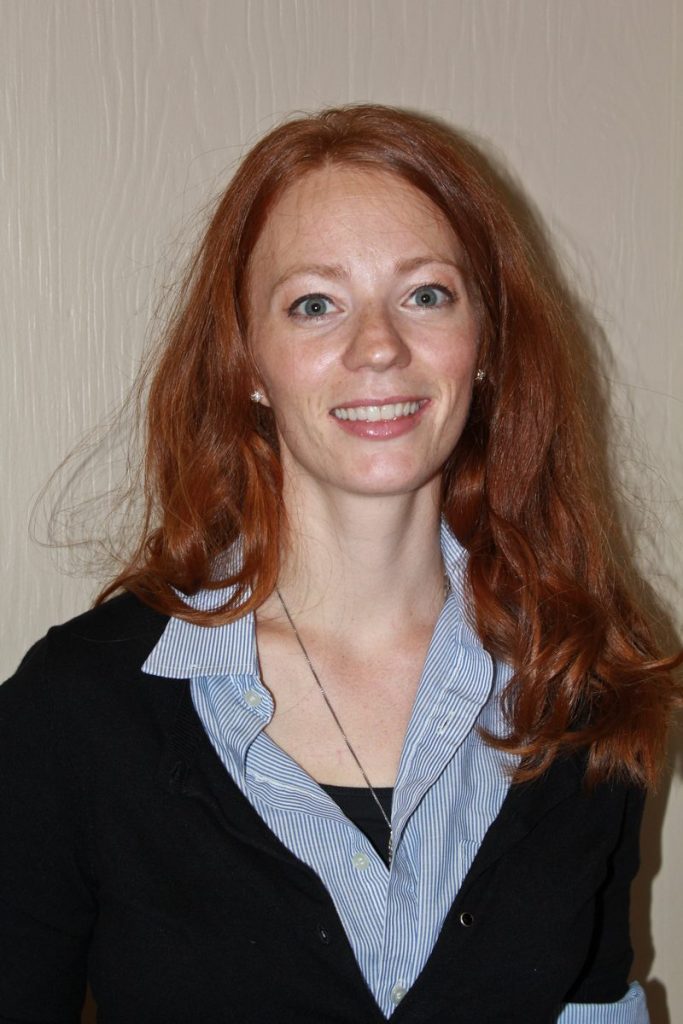
Jennifer Ditlevson Haglund
For the first time last week, my daughter wanted to swing with me. When she pointed to a swing that looked too big for her, I asked her if she wanted to ride alone, but she wanted to sit on my lap.
With one arm curled around her waist, and my free hand holding the chain, I taught her about pumping her legs to make the swing go. The other children on the playground screamed and ran around in the uncharacteristically clement February weather while our swing glided over the mulch. I leaned back, unclasped her hands from the chains, and we closed our eyes together.
She didn’t say anything. Feeling her warm and round little belly as we rocked back and forth, I wished I could store the moment somehow. It would have made a good picture.
My phone, which takes the place of my proper camera these days, sat out of reach, zipped in my backpack several meters away.
After the brief disappointment of not having my phone handy for a quick photo faded, I squeezed my child quickly and closed my eyes again — employing all my senses to capture the scene.
There are some times I don’t want to forget, and my first inclination has been to entrust those memories to representation in objects. I started journaling at 7, recorded vacations and other excursions on tape from a portable recorder at 9, and I began taking pictures with those disposable cameras around the same time. During my sophomore year in high school, I used my older brother’s camcorder for a video diary.
Although there is way too much evidence of my childhood and adolescent tomfoolery because of my routine record-keeping, I love those photos. I don’t regret taking them. When friends and family visit for more than a few hours, they usually peruse my albums and find themselves in them.
Since I’ve gotten used to snapping pictures daily with my phone, however, I fear I’m in danger of losing the ability to let my surroundings sink into my mind in the fullness of detail that a fully functional human memory should have. Each image I post on Instagram or Facebook might tell people what I’m up to, but after a while, I’m not sure the photos will stand out to me in years to come. Whenever I use a camera to take notes, I’m more likely to take for granted every other sense at my disposal.
I don’t know how long I’ll remember that sunny day in the park holding my daughter on my lap, but I still recall precise and seemingly inconsequential details from other days when I wished I’d had my camera but had forgotten it.
No image could have encapsulated the wonder I had when I saw the Eiffel Tower the first time at 16. When descending the monument, I ran all the way down the steps because I didn’t want to admit that I was — and am — terrified of scaling tall, open manmade structures. My legs shook while I ate rum raisin ice cream from a street vendor afterward. Then there was that time on a sailboat I asked my boyfriend when he was planning to propose, because I had told him I “had stuff to do” if we weren’t going to get serious. We were stuck in the middle of a muddy Brazos River on a windless day, and he was struggling to get the boat going. Now that we’re married, he still jokes that I trapped him out there to get my answer.
I could go on, but the point is that I know better than to think I need photos to reminisce or memorialize an event. The continuous taking and sharing of pictures often reveals a person’s desire to live through a curated reality. The aesthetic and message created by a person’s photos made public build one narrative, while the actual and everyday life often looks much different.
With innumerable hot selfies and inappropriate photo ops in solemn memorials aside, the readiness to take pictures also has transitioned from proving that an event happened to becoming the event itself. After those sweet, brief swings on the playground, I walked across Central Park to find a woman with a selfie stick posing with duck face in front of Bethesda Terrace. She paused for a photo while her partner passed her by. They weren’t holding hands or looking at the birds overhead. She might have been content with the shot she got, and maybe that’s all that mattered.
While I have no desire to quit taking pictures and hope to develop technical skills in photography in my spare time, I know that a penchant for unbridled image caching can be dangerous. I don’t want to need pictures of everything, in part because of fear that it will change how my brain experiences my surroundings and stores memories.
Jennifer Ditlevson Haglund is a former news reporter for the Maryville Daily Forum, now living and writing in New York City.



