
Fastest way to squash freedom? Silence press
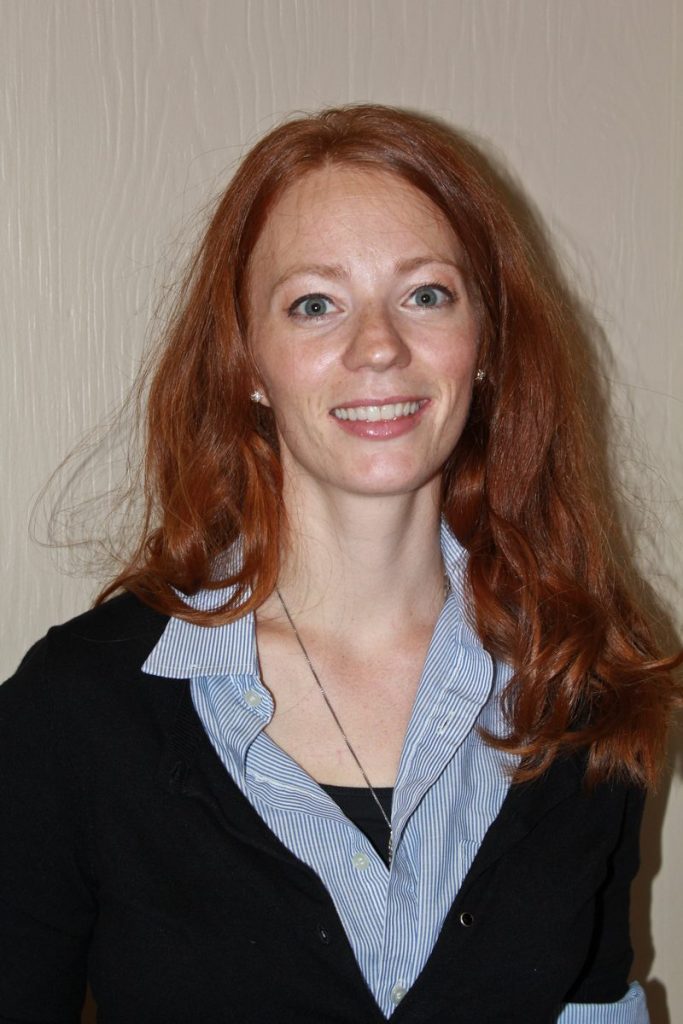
Jennifer Ditlevson Haglund
As difficult as my toddler can be, she has yet to live up to the horror stories of my early childhood. I could climb, break, consume, steal and trespass anything. With legendary strength and surprising early verbal development, I drove my mother to tears frequently.
I was incurably naughty.
At least once, I threatened my grandmother. She was letting me help her with dishes when I was about three or four, and I stopped her from rinsing. I told her that if she didn’t allow me to drop the dishes back in the dirty water, I would tell my parents that she was teaching me “dirty words.”
Prim little Freda, a reserved preacher’s wife, had probably never said anything more severe than “darn it” in her whole life. She was shocked, but I was firm. I knew best, even though she had 70 years’ experience in the task. I dropped a big plate into that dishwater, and that was all — until my dad found out and I got a spanking or a bar of soap in my mouth.
Elements of that ignorant, tyrannical disposition of mine still linger. I’d like to think I’m always right, but I’ve had it handed to me enough since then to know that I’m not.
In the last few years, I’ve watched so many people acting a lot like I did when I was a toddler when it comes to how they get their news. They know “mainstream” or “liberal” media is a sham, full of government-programmed automatons who create stories to build a vast stock of godless, baby-killing communists.
People who turn to conspiratorial news outlets get stories generated by untrained writers and those uninterested in anything but circulating their own points of view. Those who rely on these bogus sites aren’t just older people getting on the internet for the first time, either.
Biases inevitably work their way into news, but that doesn’t make all news from established sources a part of “the liberal media.”
As in any profession, there are people in it who shouldn’t be. Their opinions shape or subsume their stories, and only some of the facts make it into the copy. Part of the issue lies in the lack of media literacy, but news agencies haven’t done the public any favors with blurring the lines of genres of journalism. Advocacy journalism should be intentional and transparent, distinct from propaganda.
Discrediting an entire group of people who serve as this country’s unofficial fourth branch of government, however, is dangerous and downright stupid. And giving up on objectivity altogether in journalism won’t do this country any favors.
Private citizens need educated and dedicated journalists who aren’t using their profession to lobby for interest groups or religious organizations.
I am aware that how I was raised, the causes that move me, and the things that make my stomach turn will affect how I view a story. In my college journalism courses, I learned that these factors can color how I write about even the most straightforward circumstance. Professional journalists trained me to follow standards and media law and ethics to work against tendencies to create skewed narratives and write the most comprehensive and impartial stories possible.
There are so many journalists around the world risking much more than I ever have to report the news for the benefit of those who can’t see the action or gain access to those in power. Most of them make the same as grade-school teachers and get far less vacation and fewer benefits. It’s a job with a high burnout rate because the hours and expectations aren’t conducive to building and keeping relationships.
It’s offensive to me when I hear their work dismissed.
Citizens who want good news need to start and keep paying for it. I could write a whole column about that, but put it this way: a newspaper with more subscription support is healthier than one having to rely on ads alone.
Also, those worried that their voices aren’t being heard should write publishers, editors and journalists directly to keep them in check, to accomplish more than they do by rapid posting and trolling. I might be an idealist, but this world could use more bipartisan dialogue and less divisive snark.
I’ve run out of room to address how confirmation bias, post-truth politics, and corporatization of news have gotten us here, so these must wait for other columns.



