
Examining the responsibility associated with being ‘fittest’
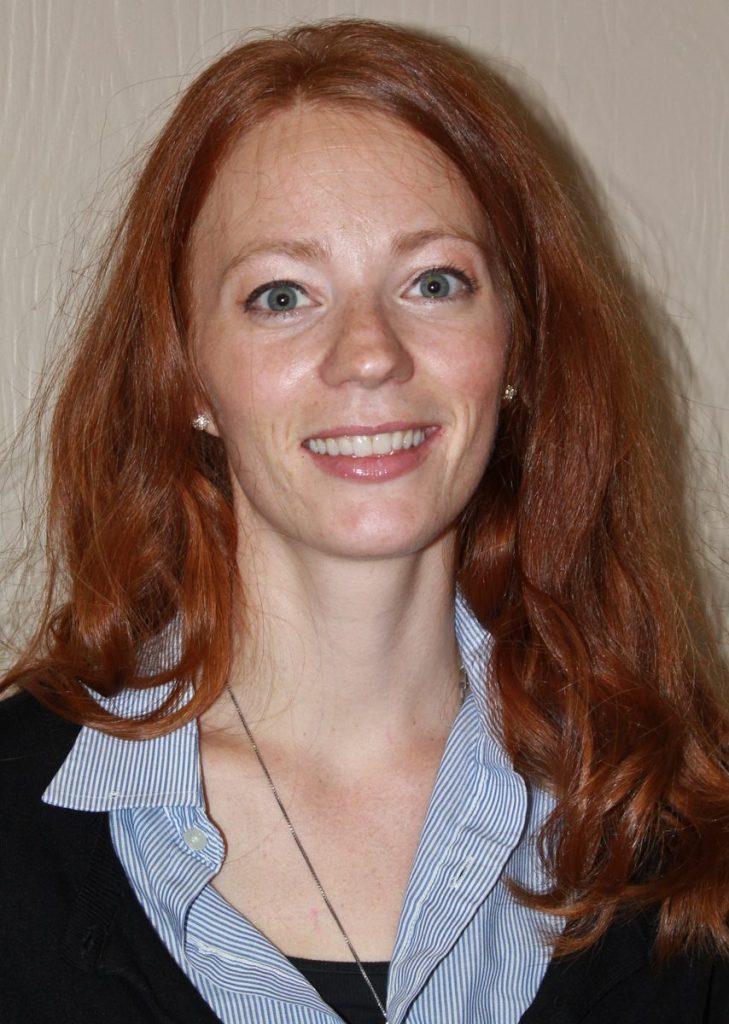
Jennifer Ditlevson Haglund
Birds chirp all the time, but I’m no avian specialist. When I’m outside, I wouldn’t notice a call for distress right away, but my daughter would.
A month ago, she escaped from our backyard and ran to the neighbors’. She stood still, pointing until I noticed a little blue jay fallen from its nest. A needle-thin wing bone was exposed, and it cried for help.
As my child continued to examine the situation, I thought about what to do. My siblings and I grew up putting birds back in their nests. Despite popular lore, it’s not the worst response. I’ve checked with people who know better than I do, and young birds have a better chance of life near their parents.
It wasn’t my yard or my tree, so I knocked on the door to inform my neighbor of the situation. I got an eye roll and a chuckle. Immediately ashamed, I knew how I looked. I was the softie who doesn’t understand the “survival of the fittest” speech he gave me.
The next day, the bird was gone.
Either a cat got it, or someone had an attack of conscience and saved it. I’ll never know.
For the last two weeks, I’ve been away from plights of the natural world like that. I spent my days wandering Chicago’s Gold Coast with my little girl while my husband participated in a faculty development program that took place at the Omni Hotel right on the Magnificent Mile.
Every morning while he attended workshops, I walked in front of Tiffany & Co. and Saks Fifth Avenue with my bulky second-hand running stroller and loud toddler. On four occasions, I was mistaken for my daughter’s nanny because it’s that uncommon for mothers to be seen during the day with their children. My fuzzy hair and dated clothing would have given me away as an outsider, even without the kid.
During our daily excursions, we passed scores of people sitting on the sidewalks outside the stores full of overpriced clothing and gizmos.
Each person held a sign with a story.
One man stood reading Kurt Vonnegut’s “Slaughterhouse Five” on the corner of Huron and Michigan with a sign that indicated that things had been hard lately.
Young women trying to go to music school performed cello and guitar pieces for donations, and a woman in a wheelchair sat outside the 24-hour Walgreens petting two tiger-striped cats on leashes while waiting for enough pity to fill her cup to buy some food.
Several women with pictures of their children wrote on their signs that they had fled abusive relationships and needed money to begin again.
A man who looked about 20 held a cardboard sign indicating that he needed a pair of dress pants for an interview. Men and women said they were veterans with post-traumatic stress disorder and were homeless.
After reading the 15th sign, all the chirping started to sound the same to me.
The noise became part of the scenery, undifferentiated by its repetition and commonness.
Whenever I passed them, however, I couldn’t help feeling guilty. Even though I don’t ever see myself belonging to the class of people who could walk into a designer boutique to purchase something, I have more than a sign and empty Starbucks cup to gather spare change from annoyed passersby. When I forgot to bring a sweater for my daughter, I bought one. No substances control my relationships or drain my resources.
As a general rule, I don’t give money to strangers. I did share our breakfast, and left feeling helpless but frustrated because the action seemed so insignificant. Our granola bar donation didn’t make a great impact on that man’s life.
When my daughter found that bird, she didn’t know it was hurt or what happened. She just knew something was wrong and that I might be able to do something about it.
In Chicago, the perils of life weren’t so obvious to her. She didn’t know that the man stealing wish pennies from the fountain in Millennium Park wasn’t collecting them for a game; but one day when she can process what she sees, she will ask me what I can do about it, and I will have to answer.
Some might argue that members of the lowest classes did something to get where they are, and that the upper classes deserve what they have because they are strong.
That’s Social Darwinism 101, but I know taking a laissez-faire approach to the question of poverty isn’t the way to go.
As she grows, I hope my daughter will continue to develop her sense of hearing for the broken and forgotten because the defining difference between the people holding the signs and those walking past them is often that the latter had something, be it a system or group of people, to put them back in the arms of comfort and safety when they fell.



