
Religious freedom amendment sparks historic Senate debate
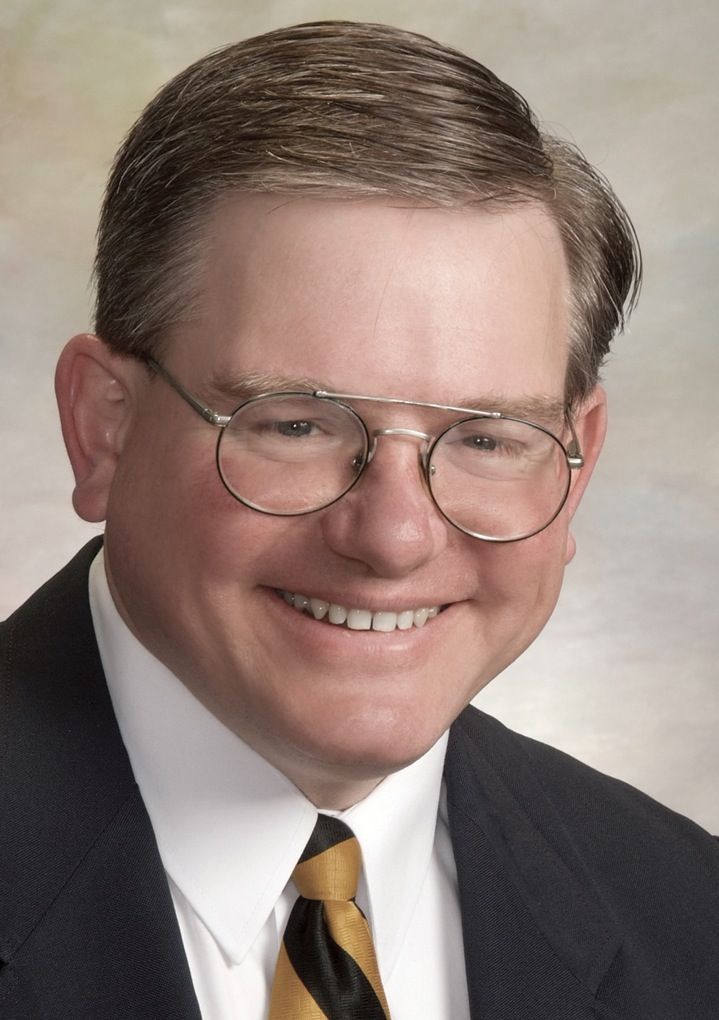
Dan Hegeman
Most of the legislation we discuss during the public policy process is relatively non-controversial. They’re measures to change certain programs, or modify sections of law that receive broad support.
Occasionally, though, there are bills or issues that are naturally contentious and expose deep divisions amongst supporters and those in opposition.
When we tackle these bills, it can sometimes take several hours, even days, of debate to find a compromise, or a path forward. Unfortunately, a compromise, or even an amicable resolution, isn’t always possible on every issue. Some are too personal, too enmeshed in who we are.
Faith is certainly one of those. In those instances, it can take extraordinary measures for the opposition to attempt to kill a bill and for the supporters to see that it is passed.
This is where the Missouri Senate found itself when debating Senate Joint Resolution 39.
Under the proposed constitutional amendment, the state would be prohibited from imposing penalties on individuals and religious entities who refuse to participate in same sex marriage ceremonies due to sincerely held religious beliefs. This protection from state penalty would include an individual who declines, due to sincere religious beliefs, to provide goods of expressional or artistic creation for a same sex wedding or wedding reception
The resolution was blocked by the minority caucus through the use of a filibuster that spanned 39 hours straight, stretching from Monday afternoon to Wednesday morning. It was the longest filibuster in Missouri history.
However, I and a majority of senators believed that after such lengthy debate, and having given every opportunity for a compromise, that discussion on SJR 39 should end.
Under Senate rules, a rare step was taken — for only the 15th time in more than 40 years — to move the previous question and end debate.
Accordingly, on Thursday evening, the Senate finally took up and passed SJR 39 by a vote of 23-7, sending the bill to the House for further consideration.
Though my colleagues and I often work to achieve agreement or consensus on the bills before us, at a certain point when a priority bill is being blocked, we must make a decision on how to move forward.
These decisions are not made lightly, but a significant majority of Senators believe the voters of our state should be given the opportunity to decide this issue.



