Super lice invade Missouri
J. David Ake
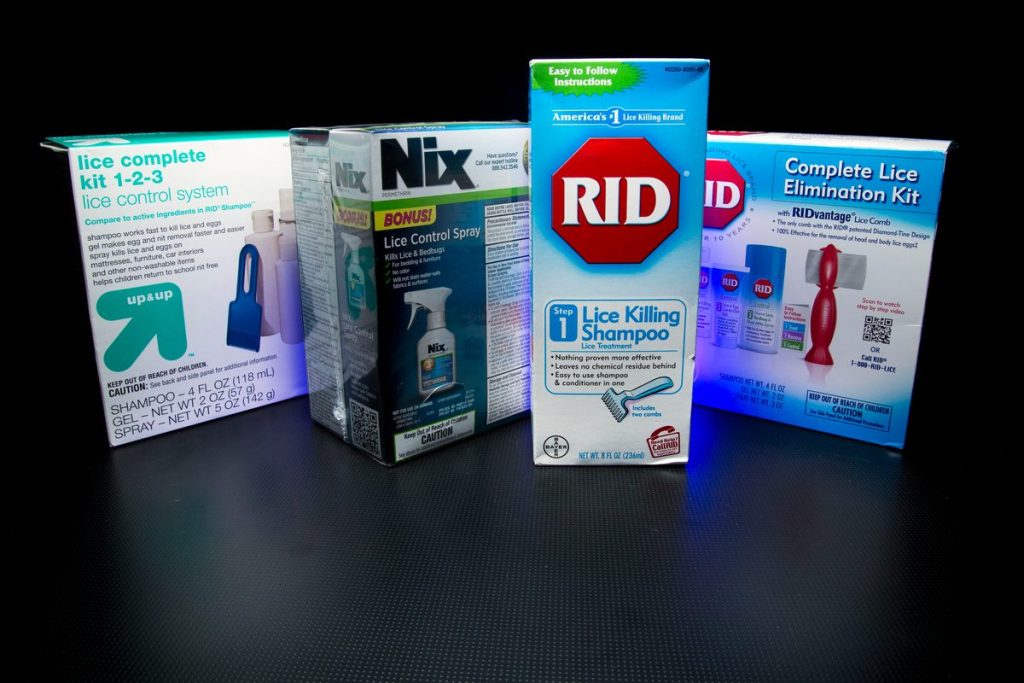
Over the counter products for controlling head lice are photographed in Washington, Monday, Nov. 4, 2013. Researchers have identified “super lice” in 25 states, including Missouri. Lice are parasites that are usually difficult to exterminate, but the new variety have genetic mutations that resist over-the-counter remedies pictured.
Missouri has made it onto the list of 25 states with super lice.
Parents and school teachers might be asking, “Now what?”
If getting rid of regular lice weren’t bad enough already, these resilient pests make the process much more difficult because they aren’t responding to over the counter treatments.
These lice don’t look any different from regular lice but are identified by how difficult they are to exterminate.
Kyong S. Yoon, who is an assistant professor in the Biological Sciences and Environmental Sciences Program at Southern Illinois University, authored the study that identified the gene mutations resistance to over-the counter treatments in 2015.
Yoon collected samples from 30 states, and the majority of the 109 samples carry these mutations.
Kate Lydon, assistant principal at Maryville Middle School, said that although there was a lice outbreak at the school about two months ago, there weren’t any cases of super lice.
“Our staff did an excellent job identifying it,” Lydon said.
According to Lydon, the staff doesn’t regularly check for lice at the middle school, but the teachers watch for when their students start scratching their heads more than usual.
Lydon said that in the event of lice outbreaks, the custodial staff vacuums more and teachers instruct students to keep their belongings in their lockers instead of hanging them on the backs of chairs or on coat hooks where they might touch.
Students who have lice, no matter what kind they are, should be kept home to prevent passing the lice to other people. MMS students, Lydon said, weren’t out for more than a week after the most recent cases.
“Once they are nit-free, they can return to school,” said Lydon.
Head lice do not carry diseases, but they are tough to kill because delousing requires strict adherence to treatment guidelines.
Treating lice includes quarantining and vacuuming the affected area, shampooing infected persons, laundering all clothing and fabric-based toys.
If parents and those affected who follow the treatment protocol still have problems, they may be dealing with super lice. There are prescription medications to help, so anyone with concerns should contact a primary care physician.